A bathroom remodel is an opportunity to do more than update the look of your space. With thoughtful planning, the right materials, and a well-designed layout, you can create a bathroom that feels more functional, reflects your personal style, and supports your daily routine.
Whether you're considering a few cosmetic updates or a complete bathroom transformation, understanding how to start a bathroom remodel can help you make informed decisions from the beginning. In this bathroom remodel guide, we'll walk through what to expect during a bathroom remodel, how to prioritize your investment, and why working with a professional designer can help you bring your vision to life.
How to Start a Bathroom Remodel: Establish Your Goals and Budget
Before you begin sourcing design inspiration for your new bathroom, take time to understand what you want your new space to accomplish. Establishing clear goals gives your project and your designer a solid direction and can help you make decisions that align with your needs, style preferences, and budget.
Identify What Works and What Doesn't
Start by evaluating how you currently use your bathroom. Consider which parts of your routine feel effortless and which create unnecessary frustration.
Ask yourself:
-
Does the current layout provide enough room to move comfortably?
-
Do you have sufficient storage for toiletries, towels, and everyday essentials?
-
Are your existing countertops, flooring, and fixtures easy to clean and maintain?
-
Does the lighting support your daily routine?
-
Does the overall design feel like a space where you can relax and recharge?
These questions can reveal opportunities for improvement that may not be immediately obvious. For example, a bathroom that consistently feels cluttered might benefit more from additional cabinetry or a linen tower than from simply replacing the vanity. Similarly, a cramped shower may indicate that the layout deserves a closer look before you invest in new finishes.
Determine the Scope of Your Remodel
Once you've identified your priorities, determine whether your project calls for aesthetic updates, functional improvements, or a combination of both.
A cosmetic bathroom remodel may include selecting a new vanity, updating countertops, installing new tile, or refreshing hardware and fixtures. A more extensive renovation might involve reconfiguring the layout, converting a bathtub into a shower, or relocating plumbing fixtures.
It's worth investing in your bathroom's appearance even when a complete layout change isn't necessary. Updated materials, cohesive finishes, and thoughtfully selected cabinetry can make an existing space feel more intentional and inviting. A bathroom remodel can also improve your everyday experience and offers a promising ROI, up to 80% in some instances.
What Should You Budget for a Bathroom Remodel?
Your bathroom remodeling budget will depend on three primary factors: the size of your space, the products you select, and the scope of the work.
The size of your space. Larger bathrooms often require more flooring, wall tile, countertop material, and cabinetry. However, a smaller bathroom can still require a significant investment if it includes premium finishes, custom features, or extensive plumbing changes.
Your product selections. Materials and fixtures are available at a wide range of price points. You might invest in a statement vanity or specialty shower tile while choosing more budget-conscious flooring or complementary hardware. The goal is to determine which selections will have the greatest impact on your finished design and prioritize your spending accordingly.
The scope of the project. Replacing existing finishes while keeping plumbing in place is generally less complex than moving a shower, relocating a toilet, or changing the bathroom's footprint. Demolition, wall modifications, plumbing adjustments, waterproofing, and other installation requirements can all influence the final cost.
It's also helpful to think beyond the initial price of your selections. Durable materials, better storage, and a more functional layout may provide value through years of everyday use, while an updated bathroom may also contribute to your home's appeal to future buyers.
Ultimately, the right budget is one that balances your goals, your home's needs, and the quality of the finished space. With access to products across a range of styles and price points, The Designery can help you explore options that align with your vision without losing sight of your overall investment.
How to Select Products and Materials for Your Bathroom Remodel
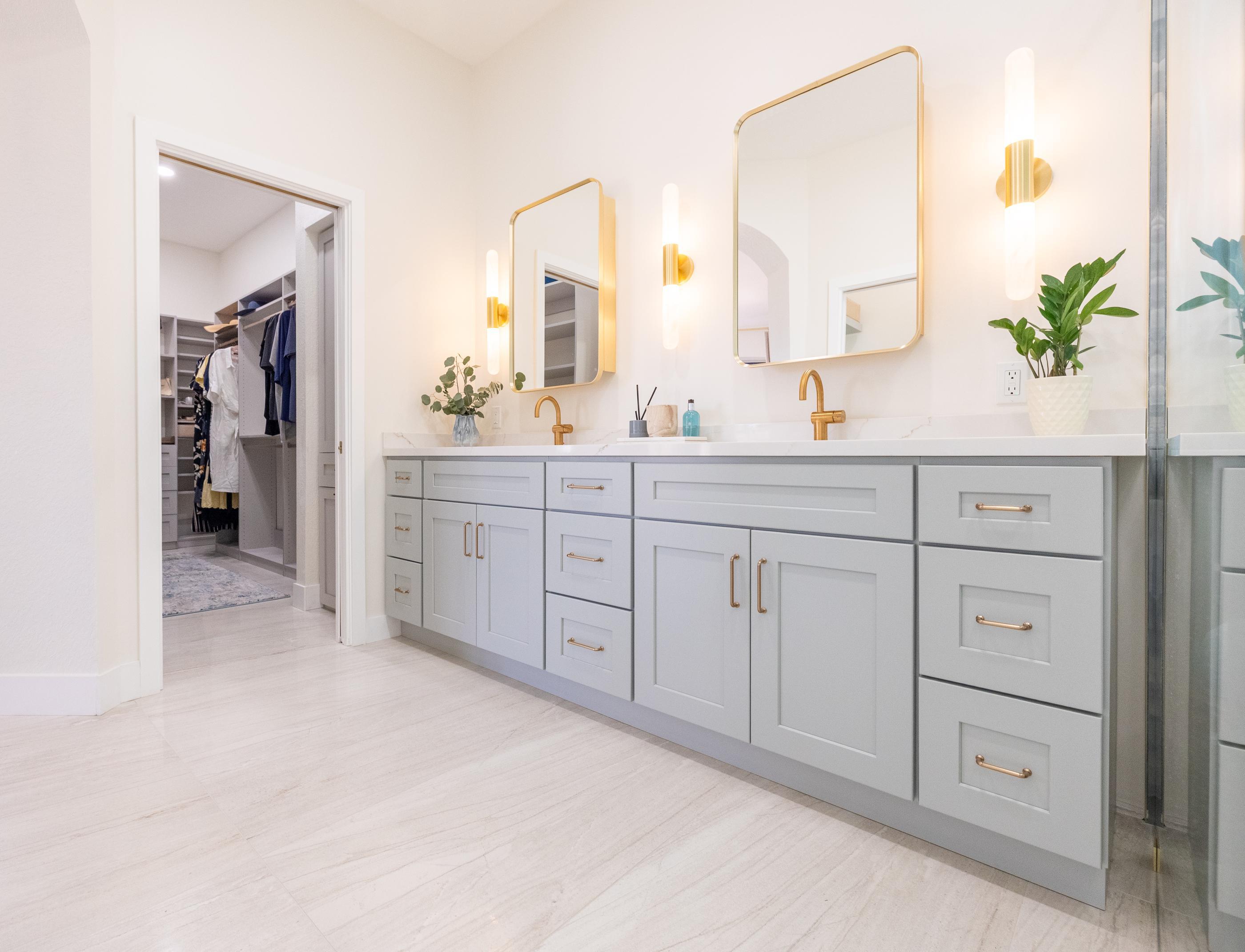
Choosing materials is one of the most exciting parts of bathroom design. It's also where a thoughtful design plan can make the biggest impact. Rather than selecting each product independently, consider how your vanity, countertops, tile, flooring, hardware, and fixtures will work together to create a cohesive space.
Start With a Design Focal Point
Every well-designed bathroom benefits from a clear visual direction. Identify the feature you want to stand out or prioritize, then build the rest of your selections around it.
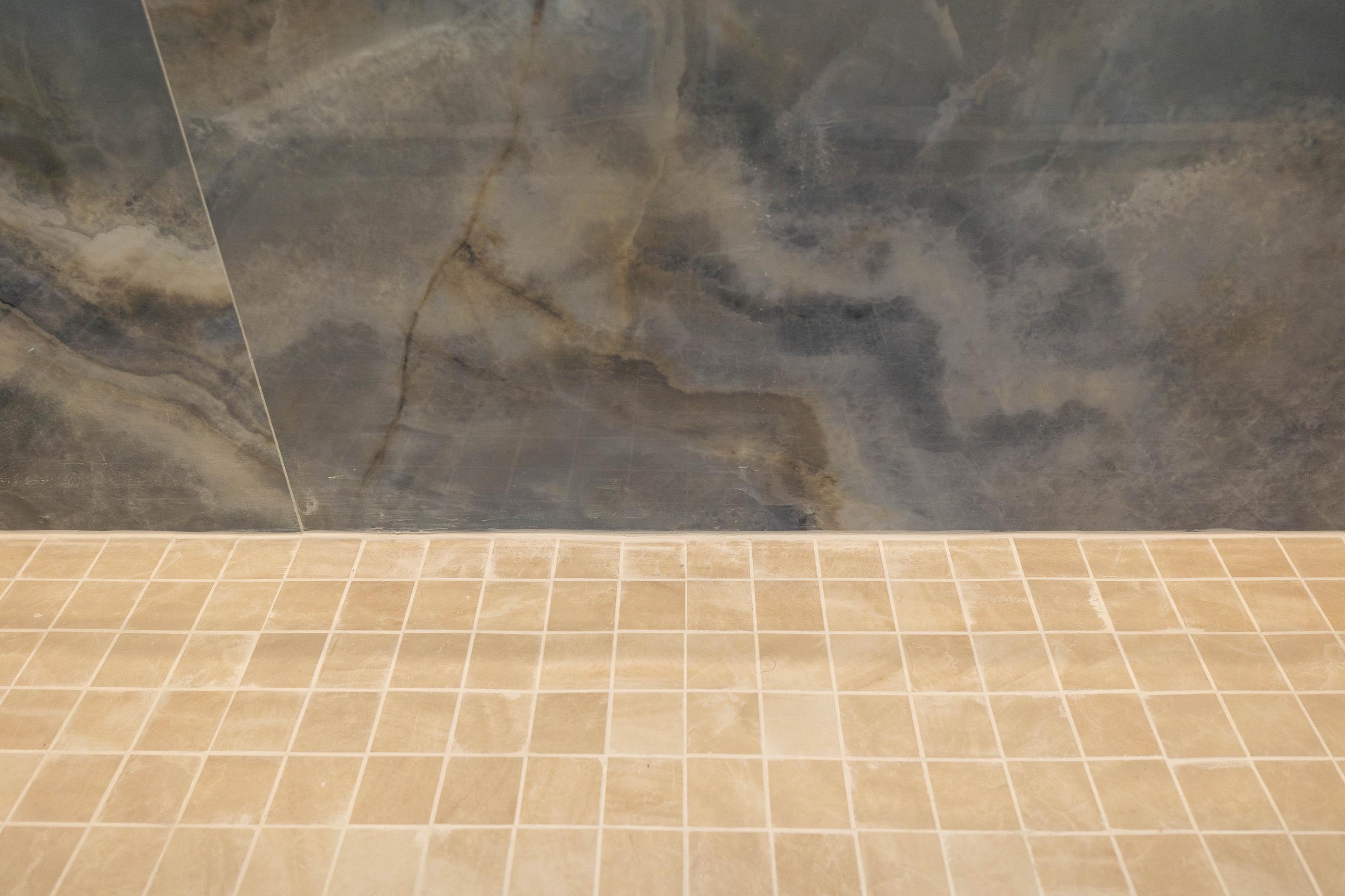
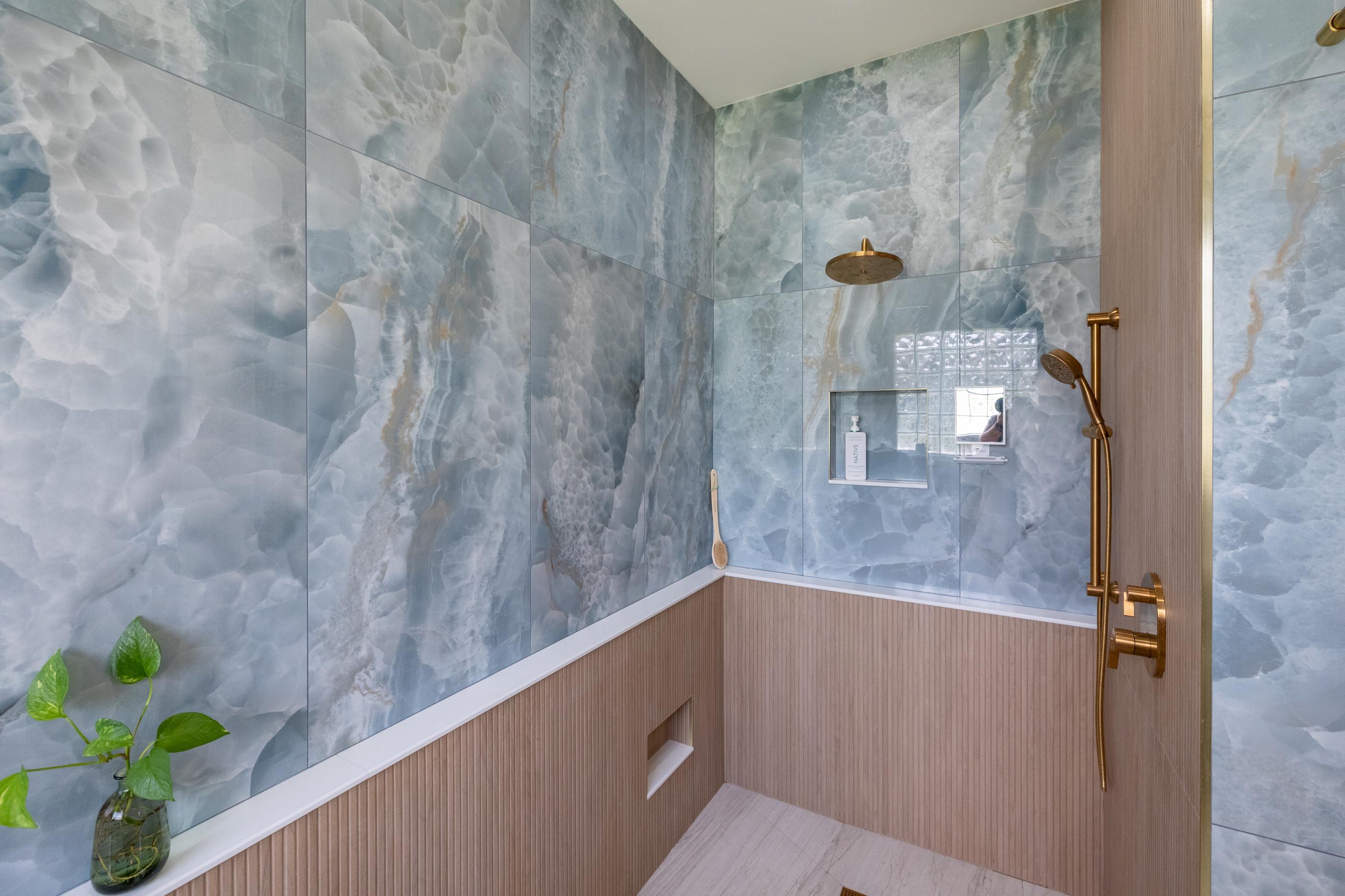
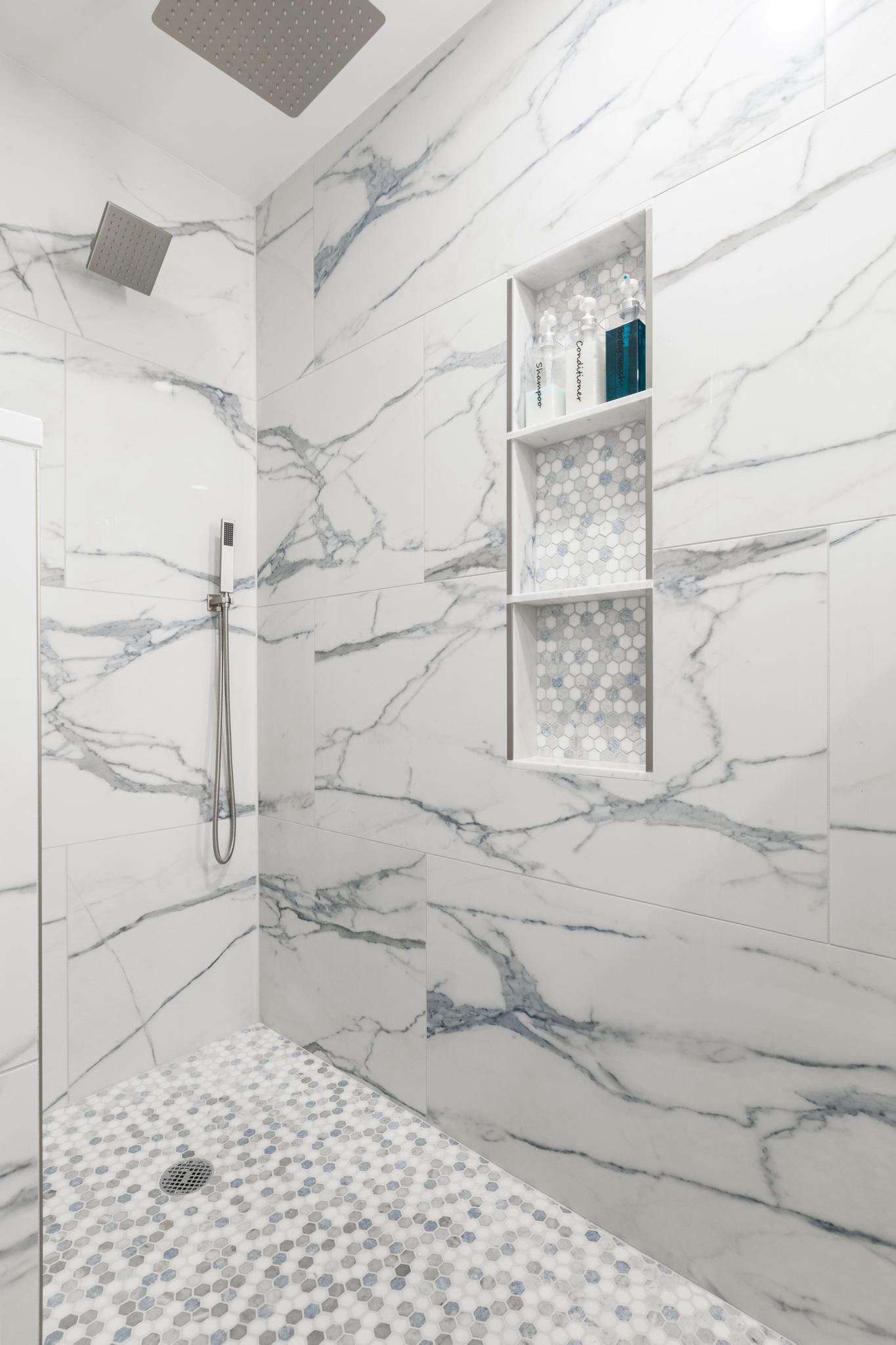
If a spacious walk-in shower is the centerpiece of your vision, for example, a distinctive tile can establish the room's character. Natural inspired finishes, intricate patterns, or a carefully selected combination of textures can create visual interest while allowing the surrounding materials to complement the design.
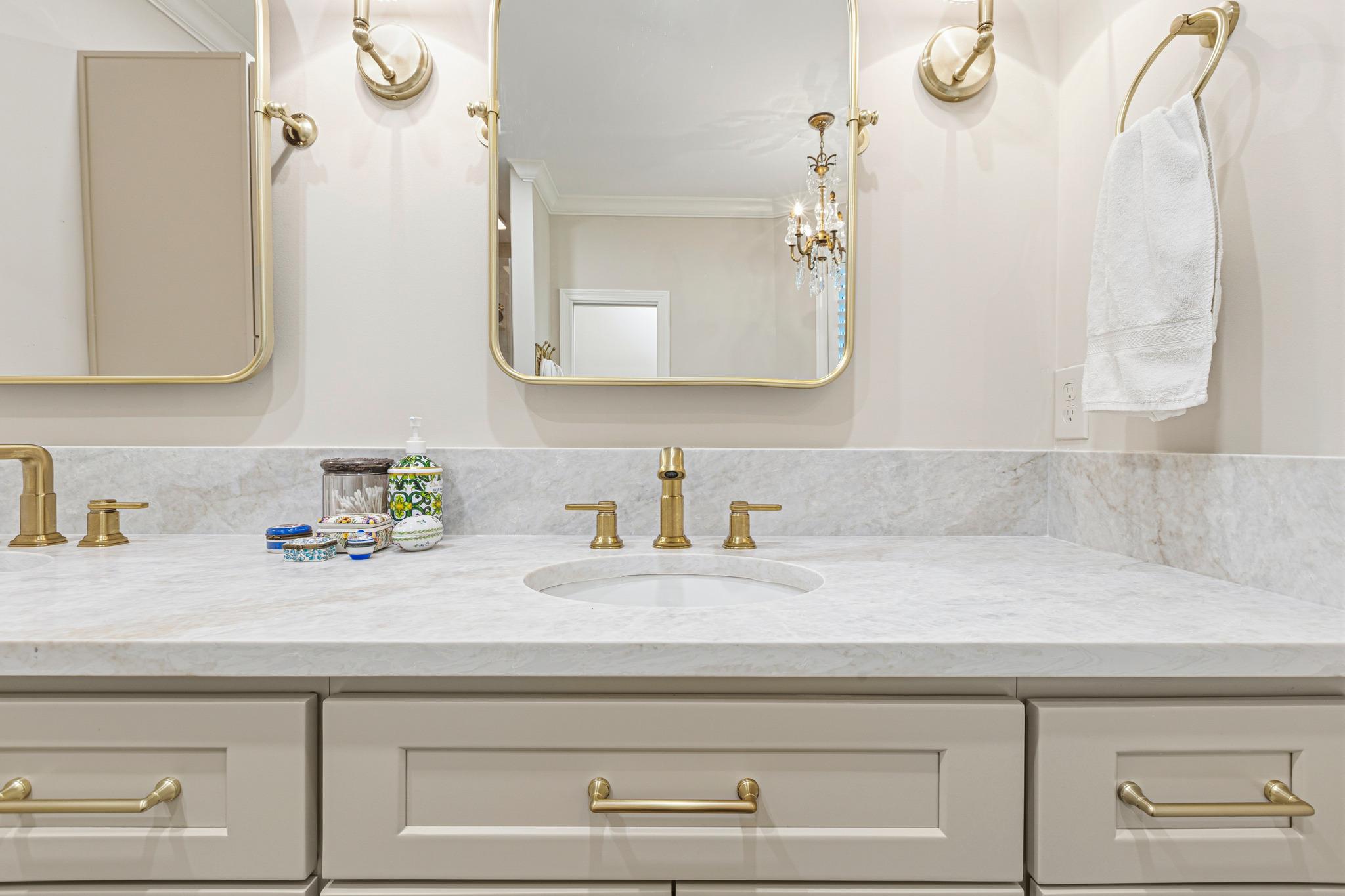
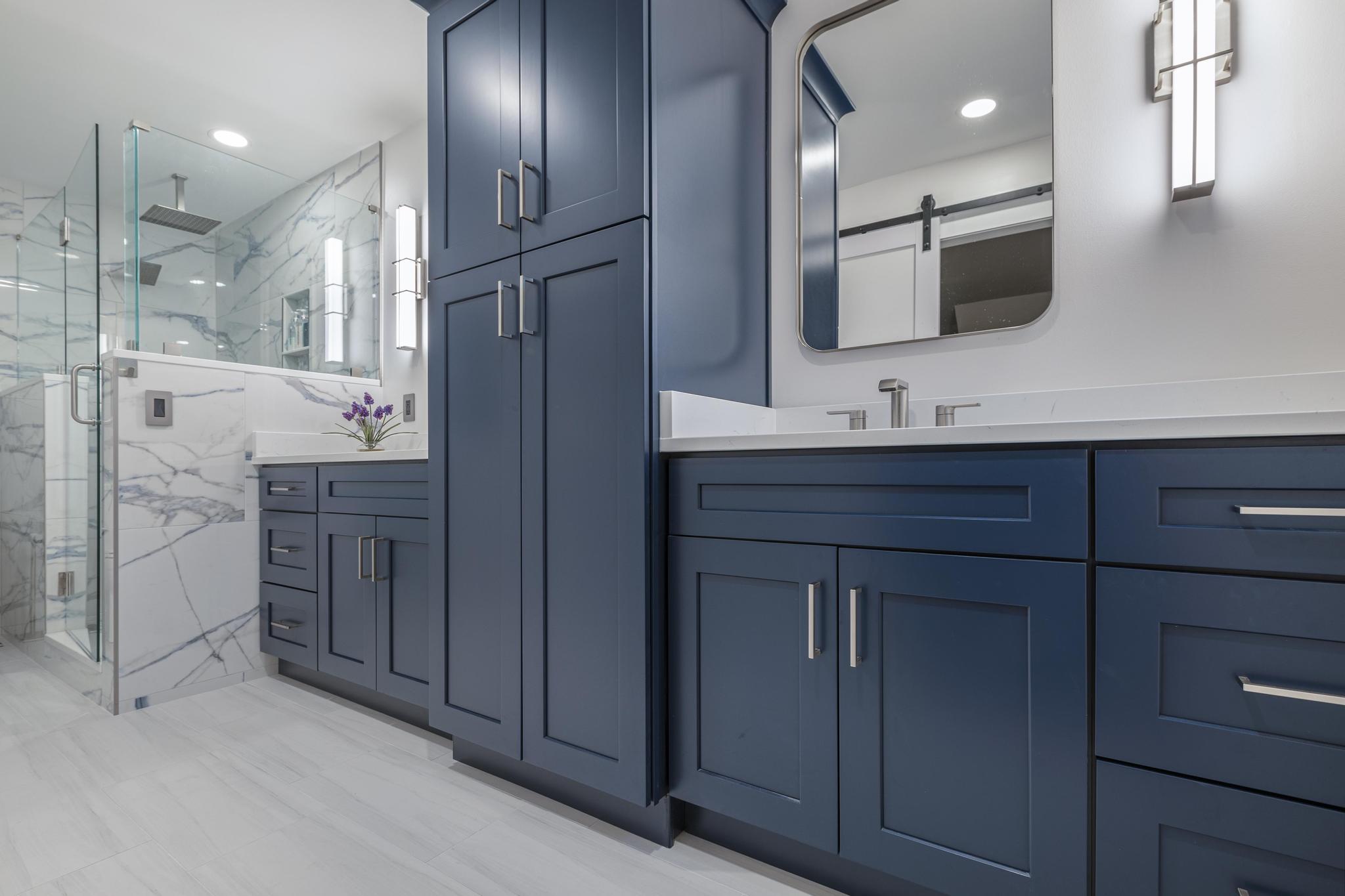
If color is your priority, a statement color for your vanity may be the ideal starting point. A rich blue, muted green, or warm wood finish can anchor the room, with coordinating hardware, countertops, wall tile, and flooring reinforcing the overall palette.
You don't need every element to make a statement. In fact, allowing one or two features to take the lead can create a more balanced, elevated result.
Choose Products Based on How You Use the Space
Beautiful materials should support your routine, not complicate it. Think about how your household uses the space and which products will make the space more functional.
For a smaller bathroom, a well-planned vanity, vertical storage, or a linen tower can help maximize available space. In a primary bathroom, a larger shower, expanded countertop space, or additional drawer storage may better support your daily routine.
Consider the practical details, too. A family bathroom may benefit from durable, easy-to-maintain surfaces, while a primary suite might prioritize a more spacious shower, refined finishes, and a calming atmosphere to help close out the day.
The best bathroom design balances visual appeal with practical considerations, ensuring that every selection has a purpose.
Select Countertops and Tile With Maintenance in Mind
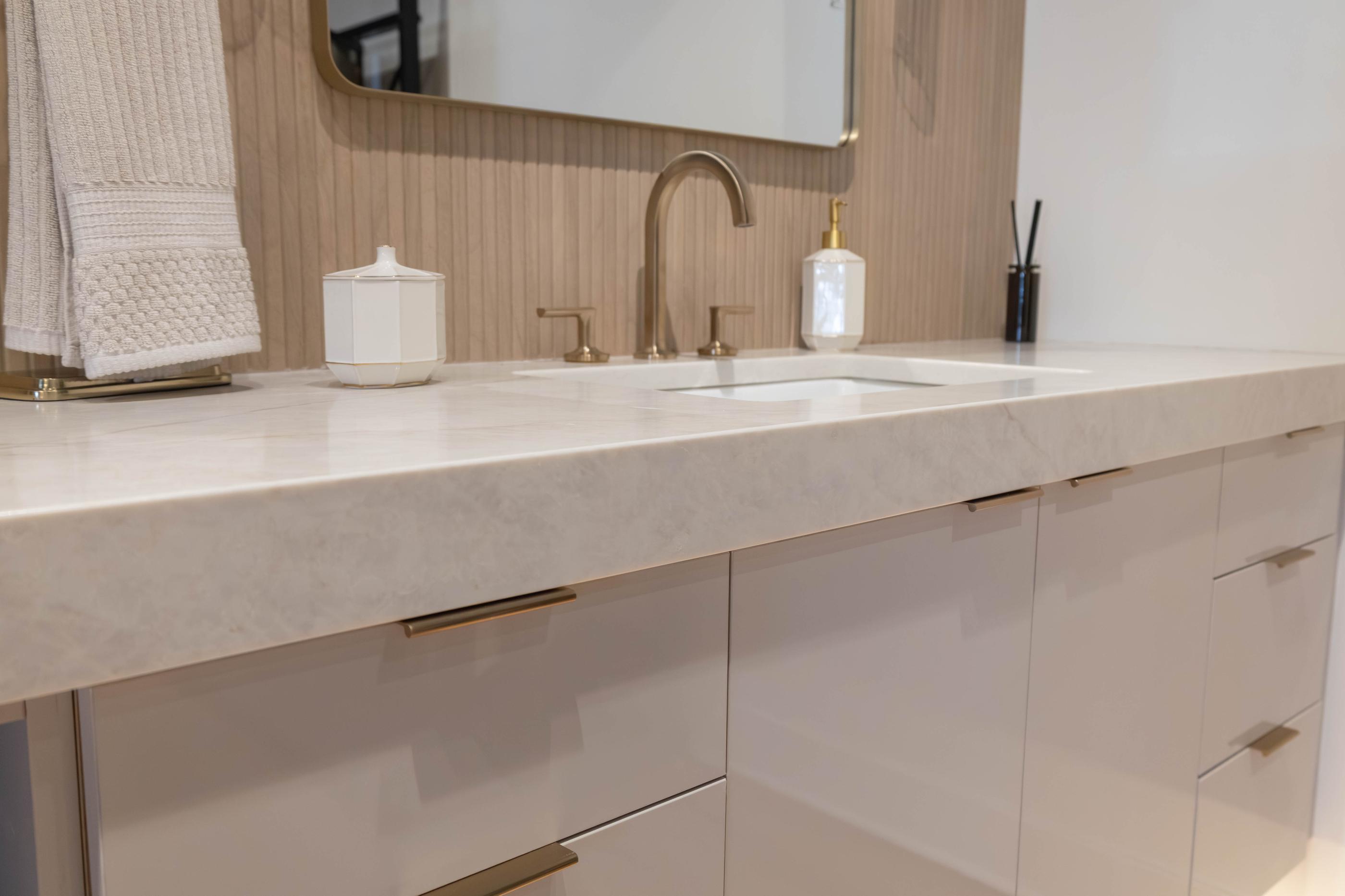
Countertops and tile influence the appearance of your bathroom, but their maintenance requirements are just as important as their color and finish.
Before choosing a countertop material, consider:
-
Your cleaning routine: How frequently do you clean the space, and how much maintenance are you comfortable performing?
-
Your daily products: Do cosmetics, skincare products, hair dyes, or other toiletries pose a staining risk?
-
Your styling routine: Do you regularly use hot hair tools that require a dedicated, heat-safe resting surface?
-
Your household needs: Will the surfaces experience frequent use, splashes, or everyday wear?
Different countertop materials have different care requirements. Some natural stones require periodic sealing, while other materials may need less routine maintenance. Tile also varies in its cleaning needs depending on the material, finish, grout, and installation.
For shower walls and floors, water exposure and slip resistance deserve particular attention. The appropriate tile, waterproofing system, and installation method are essential to creating a bathroom that performs as well as it looks.
A designer can help you compare these considerations alongside color, texture, durability, and price, so your selections are suited to both your design goals and your lifestyle.
Balance Your Investment Across the Room
You don't need to splurge on every product to achieve an elevated bathroom design. Instead, identify where your investment will make the greatest difference.
For example, you might prioritize a custom vanity, distinctive shower tile, or a thoughtfully designed storage solution, then complement those features with simpler flooring or understated hardware.
The key is to consider your selections as part of a complete design rather than a collection of individual purchases. Coordinated finishes, consistent tones, and intentional contrasts can create a polished result at a range of budget levels.
Working with a professional designer can make this process easier by helping you compare materials, coordinate products, and understand where a higher investment may provide meaningful benefits.
What to Expect During a Bathroom Remodel
Understanding the bathroom remodeling process can help you prepare for the decisions, scheduling, and temporary disruptions that come with renovating your home. While every project is different, most bathroom remodels follow several general stages.
Step 1: Design and Planning
Work with your designer to establish your goals, finalize your layout, and select cabinetry, countertops, tile, fixtures, and finishes that align with your vision and budget.
Step 2: Ordering and Scheduling
Once selections are finalized, products are ordered and installation is coordinated. Product availability and lead times can influence your project timeline, making early planning essential.
Step 3: Demolition and Preparation
Your remodeling team removes existing materials and fixtures, preparing the space for its transformation. Depending on the scope of work, this stage may also involve plumbing adjustments or addressing unexpected issues behind the walls.
Step 4: Installation and Finishing
New materials, cabinetry, countertops, tile, and fixtures are installed according to your design plan, with the necessary plumbing, electrical, and finishing work completed along the way.
Step 5: Final Review
Before the project is complete, review the finished space with your project team and confirm that everything meets your expectations.
Want to learn more about what goes into planning a successful renovation? Explore our Home Design Process Guide for a closer look at how professional design expertise helps bring your vision to life.
How long does a bathroom remodel take?
The timeline depends on the size of the bathroom, the complexity of the renovation, product availability, and the work required behind the walls. A cosmetic update may take less time than a renovation involving relocated plumbing, custom cabinetry, or significant layout changes. Your remodeling professional can provide a project-specific schedule once the design and scope are established.
Who Is the Best Person to Work With for a Bathroom Remodel?
The best person to work with for a bathroom remodel is a qualified professional who understands your design goals, can help you make informed product decisions, and can coordinate the work required to bring the project to life.
For many homeowners, that means working with a professional bathroom designer alongside a qualified remodeling contractor. These roles complement one another: a designer helps develop the layout, aesthetic, and product selections, while the contractor manages construction and installation.
A professional designer can help you identify opportunities you may have overlooked, such as improving storage, making a small bathroom feel more open, or creating a more cohesive relationship between your vanity, countertops, and tile. They can also help you evaluate product options against your budget, maintenance preferences, and intended use.
The right team should be willing to listen to your priorities, explain trade-offs, and help you understand how individual decisions affect the finished space. Depending on the project, you'll also want qualified professionals to address plumbing, electrical, waterproofing, and other specialized installation requirements.
How The Designery Can Help
At The Designery, our approach to bathroom design brings product selection and design expertise together to help homeowners make the most of their space.
Our designers can help you explore cabinetry, countertops, tile, and complementary finishes while considering how those selections work together in your home. Whether you're refreshing an existing bathroom or planning a more extensive transformation, we can help you evaluate options that support your aesthetic, functional needs, and budget.
Instead of navigating every product decision on your own, you can work with a design partner who helps connect the details, from the initial concept to the finishing touches.
Make Your Bathroom Remodel Work for You
A successful bathroom remodel begins with understanding what you want to improve and making intentional decisions about how to get there. When you establish your goals, define your budget, select materials based on your lifestyle, and plan for the installation process, you're better equipped to create a space that feels both beautiful and functional.
You don't have to have every detail figured out before getting started. A professional designer can help you explore possibilities, evaluate your options, and identify the right next steps for your home.
Ready to explore what's possible for your bathroom? Connect with The Designery to schedule a free design consultation and discover how thoughtful design and carefully selected products can transform your everyday space.