The best countertops for Colorado are those that can withstand intense UV radiation, rapid temperature swings, and exceptionally dry air, all of which are amplified at our mile-high elevation. Colorado is a beautiful place to live, but it puts your home through its paces in ways that many building material manufacturers don't specifically design for. When you're selecting surfaces for a Longmont or Boulder home, these local factors deserve a real conversation because a material that performs well in a humid, sea-level climate may fail prematurely in the Front Range.
At The Designery Longmont, we help homeowners navigate these environmental "curveballs" every day. Whether you are building a custom home in the foothills or remodeling a classic bungalow in Old Town Longmont, your countertops are the architectural spine of your kitchen. They need to be more than just aesthetically pleasing; they need to be technically sound enough to handle the "invisible" stresses of the Colorado climate.
How Do Intense UV Rays at 5,000 Feet Affect Your Stone?
Natural stones like granite and quartzite are the most UV-stable options for Colorado homes because their colors are derived from organic mineral compositions rather than added chemical pigments. At Longmont’s elevation of roughly 4,979 feet, UV radiation is significantly stronger than it is at sea level, acting like a constant "bleaching agent" on interior finishes. Materials that rely on dye-based colorants can fade, yellow, or shift in hue over time when exposed to the prolonged, direct sunlight that pours through our many south-facing windows.
Quartz is generally UV-stable for standard interior use, but it does contain polymer resins that can experience a subtle "ambering" or color shift if placed in a sun-drenched sunroom or an outdoor kitchen. If your kitchen features large windows with unobstructed views of the Flatirons, you should discuss UV-stable color palettes with your designer before making a final selection. For homeowners who love the look of quartz but have intense afternoon sun, we often suggest pairing the installation with UV-filtering window treatments or professional-grade shades to protect the long-term integrity of both your countertops and your cabinetry.
Why is Colorado’s Dry Air a Threat to Wood and Tile Surfaces?
Stone and quartz surfaces are the most reliable choice for the Front Range because they are virtually unaffected by our legendary low humidity, whereas wood-based materials like butcher block can dry out, shrink, and crack over time. Colorado’s dry air is famous for its "thirst," pulling moisture out of organic materials and causing them to warp or split. While wood countertops offer a warm, rustic aesthetic, they require significantly more consistent oiling and maintenance in Boulder County than they would in a more humid region of the country.
This dry-air factor also applies to the grout lines found in tile countertops. In high-altitude climates, traditional grout can shrink and crack more readily as it loses moisture, creating tiny gaps that collect debris and harbor bacteria. This is one of the primary reasons why seamless stone or quartz slabs have become the gold standard for Colorado kitchens; they provide a stable, non-porous surface that won't swell or buckle regardless of how low the humidity drops during a dry winter cold snap.
How Do Rapid Temperature Swings Impact Outdoor Installations?
Natural granite and quartzite handle Colorado’s dramatic temperature fluctuations better than any other material because they have a low coefficient of thermal expansion, meaning they don't grow or shrink significantly when a frost-covered morning turns into a 65-degree afternoon. For indoor kitchens, this is rarely an issue, but for the increasingly popular outdoor kitchens in Boulder County, thermal stress is a major concern. Materials that are too rigid or contain high amounts of plastic-based resins can crack or delaminate when exposed to the "mood swings" of Front Range weather.
Quartz is strictly an indoor material in our climate because the resins used in its manufacturing are not designed to handle the freeze-thaw cycles of a Colorado winter. If quartz is left uncovered in an outdoor setting, the constant expansion and contraction of the resin against the stone crystals can eventually lead to structural failure. For a "hospitality-first" outdoor entertaining space, we always point our clients toward natural stone or porcelain slabs, which are engineered to maintain their integrity through every seasonal change Colorado throws at them.
Which Materials Offer the Best Heat Resistance for Active Cooks?
Granite and quartzite are the "heavyweight champions" of heat resistance, capable of handling a hot Dutch oven or a cast-iron skillet placed directly on the surface without any risk of scorching or cracking. Colorado cooks tend to be an active, from-scratch group—often simmering big pots of chili or baking through the winter—and heat resistance is a non-negotiable technical standard for many. Granite was formed in the intense heat of the earth’s crust, so it is naturally equipped to handle the thermal loads of a modern kitchen.
Quartz, while incredibly durable in almost every other category, is more sensitive to heat because of its resin component. If a hot pan is placed directly on a quartz surface, it can be damaged by heat due to its resin content. We always recommend that quartz owners use trivets or hot pads. This distinction is a major part of the decision-making process; if you want a kitchen where you never have to think twice about where you set a hot tray, natural stone is the superior choice for your lifestyle.
Why is Porcelain Slab Worth a Look for Covered Patios?
Porcelain slabs are an exceptionally strong choice for Colorado outdoor spaces because they are completely non-porous, UV-stable, and specifically engineered to handle the extreme thermal stress of high-altitude environments. Porcelain is fired at much higher temperatures than standard ceramic, resulting in a glass-like density that water cannot penetrate. This means that even during a heavy spring thaw in Longmont, there is no moisture inside the slab that could freeze and cause it to crack.
Beyond their durability, porcelain slabs offer incredible design flexibility, often mimicking the look of rare marbles or industrial steel with a "thin-profile" aesthetic that looks very modern. Because they are UV-stable, the colors will remain vibrant even after years of exposure on a west-facing patio. At The Designery Longmont, we manage the technical burdens of these specialized installations, matching the specific expertise of our craftsmen to the unique requirements of porcelain to ensure your outdoor oasis is built for the long haul.
Does Elevation Affect the Installation and Sealing Process?
Installation at 5,000 feet requires specialized knowledge because the dry air and faster evaporation rates in Colorado can cause some adhesives and stone sealers to behave differently than they would at sea level. A sealer that takes four hours to cure in Florida might "flash dry" in twenty minutes in the thin, dry air of Boulder, potentially leaving a streaky finish if not applied by a professional who understands the local chemistry.
Working with a local team like The Designery Longmont ensures that your countertops are set and sealed correctly from day one. We serve as the essential quality control layer for your project, overseeing the "invisible" technical details—like moisture testing and subfloor leveling—that determine whether your counters stay flat and beautiful for the next thirty years. Professional accountability is the highest form of hospitality, and we take pride in managing these technical standards so you don't have to.
Finding the Right Balance for Your Front Range Home
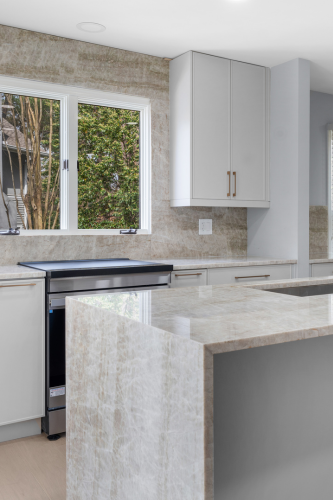
For most indoor kitchens in Boulder County, both quartz and granite are excellent choices that will handle our climate beautifully, provided you understand their individual strengths. If your kitchen is the architectural spine of a sun-drenched, open-concept home, granite’s UV stability might be the deciding factor. If you have a busy family and want a surface that won't be affected by our dry air or the occasional spilled juice box, quartz is a fantastic, low-maintenance partner.
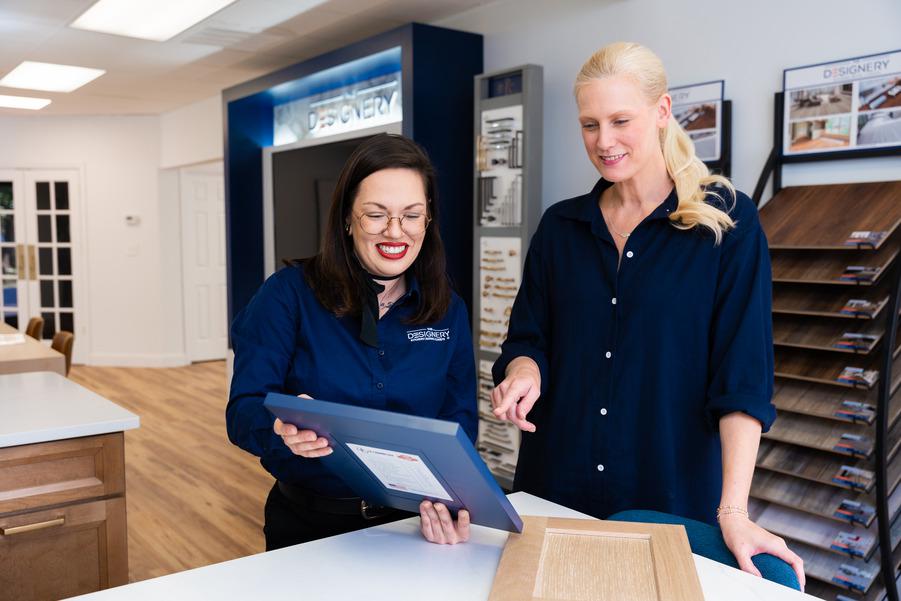
We invite you to visit our showroom at 1350 Ken Pratt Blvd to talk through these climate factors in detail. Allow us to handle the heavy lifting of material selection and technical planning while you enjoy the transformation of your home. Our team is here to help you find a surface that isn't just beautiful today, but one that is engineered to thrive in the beautiful, demanding environment of the Colorado Front Range.