Granite remains the premier choice for Boulder homeowners because it offers an organic, one-of-a-kind beauty that engineered materials simply cannot replicate. There is something genuinely special about knowing that your countertop was formed deep inside the earth over millions of years and that no other home in the world has a surface exactly like yours. For those who value authenticity and natural character—whether in a rustic mountain retreat or a sleek downtown loft—granite delivers a sense of permanent, grounded luxury.
At The Designery Longmont, we believe that choosing granite is an act of stewardship for your home’s architectural future. In a world of mass-produced goods, a natural stone slab stands as a unique piece of earth-made art. When you invest in granite, you are choosing a material that has survived geological eons, ensuring it can easily handle the daily demands of a busy Colorado kitchen while maintaining its beauty and contributing to long-term home value.
Does Every Granite Slab Truly Tell a Different Story?
Every individual granite slab is a unique geological record of the specific minerals, heat, and pressure present during its formation, meaning no two pieces are ever identical. The mineral composition, the color, the veining, the movement, and the texture all vary from slab to slab, even when they are "sisters" cut from the same block in a quarry. When you select a granite slab for your Boulder home, you are not picking an item from a static catalog; you are choosing a specific, unrepeatable slice of natural history.
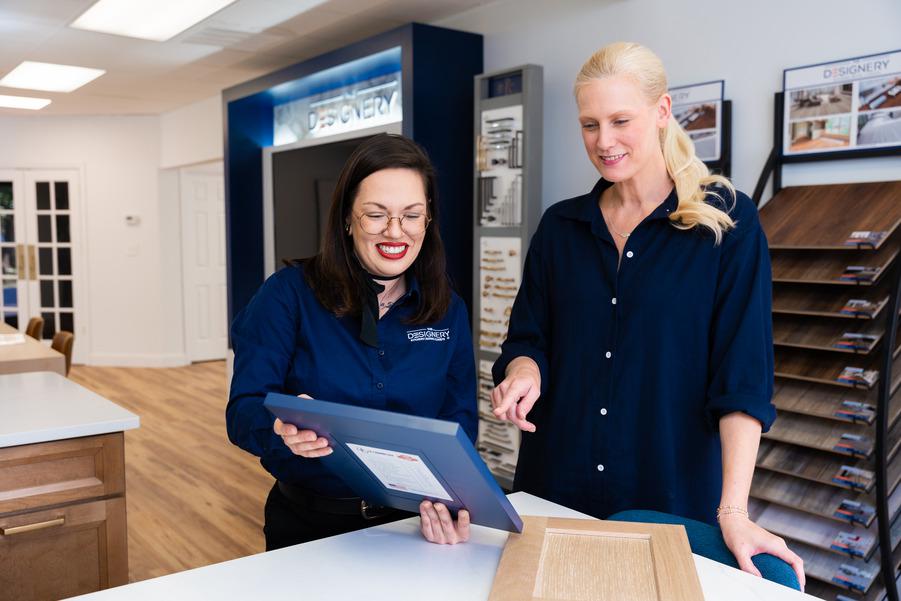
This inherent variety is why we always encourage our clients to visit the slab yard in person. A small 4x4-inch sample can give you a general idea of the color palette, but it cannot prepare you for the dramatic sweep of a quartz vein or the shimmering flecks of mica that appear across a full six-foot span. Seeing the full slab allows you to connect with the "movement" of the stone, ensuring the piece you fall in love with in the showroom is the exact one that will define your kitchen for decades.
Which Granite Styles Best Complement Boulder County Architecture?
Boulder County architecture is incredibly diverse, but granite offers a versatile palette of styles that can seamlessly bridge the gap between "Mountain Modern" and "Historic Victorian." For the airy, light-filled kitchens common in new builds near North Boulder, white and grey granites with subtle, smoky veining remain perennially popular. These stones provide the brightness homeowners crave without the maintenance anxieties associated with marble.
In contrast, many rustic homes in the foothills or craftsman bungalows near Chautauqua benefit from warm brown, copper, and cream tones that complement heavy wood beams and natural stone fireplaces. If you are looking to make a bold architectural statement, deep black granites with gold or silver "cosmic" flecks add incredible drama when paired with crisp white cabinetry. Because granite is a product of nature, its colors always feel "at home" in the Colorado landscape, regardless of the specific interior design style.
How Do You Select the Perfect Slab for Your Specific Layout?
Selecting the right slab requires you to look past the overall color and focus on how the stone’s natural movement will interact with your kitchen’s specific "L-shape" or island dimensions. Large, dramatic veins that look stunning on a vertical slab in the warehouse may be cut off or interrupted once the stone is fabricated for your counters. It is essential to visualize where the seams will fall; a high-movement stone requires an expert fabricator to "book-match" or align those veins so the transition between pieces looks intentional and fluid.
We also advise our clients to consider the background color under different lighting conditions. Granite is "metameric," meaning its appearance shifts significantly depending on the light source—a slab that looks cool and grey under warehouse LED lights might reveal warm, golden undertones when placed near a south-facing window in Boulder. If possible, bring a cabinet door or a flooring sample to the slab yard. Seeing your actual materials against the raw stone is the only way to ensure the final installation feels cohesive rather than pieced together.
What Do the Different "Grades" of Granite Actually Mean?
Granite grades—typically labeled as Level 1 through 3 or "Entry" to "Exotic"—primarily reflect the rarity and geographical origin of the stone rather than its structural quality or durability. A Level 1 granite is generally a more common stone that is easy to quarry in large quantities, making it a budget-friendly but extremely durable option for high-traffic kitchens. Level 3 or "Exotic" stones often come from remote locations and feature rare mineral colors or complex patterns that are harder to find.
It is a common misconception that "Premium" granite is harder or more scratch-resistant than "Entry-level" granite. In reality, a common grey granite is often just as structurally sound as a rare blue sodalite slab. At The Designery Longmont, we serve as the essential quality control layer for your project, helping you understand which grade fits your budget while ensuring that every slab we source meets our rigorous standards for structural integrity.
Why is the Sink Choice So Critical for a Granite Installation?
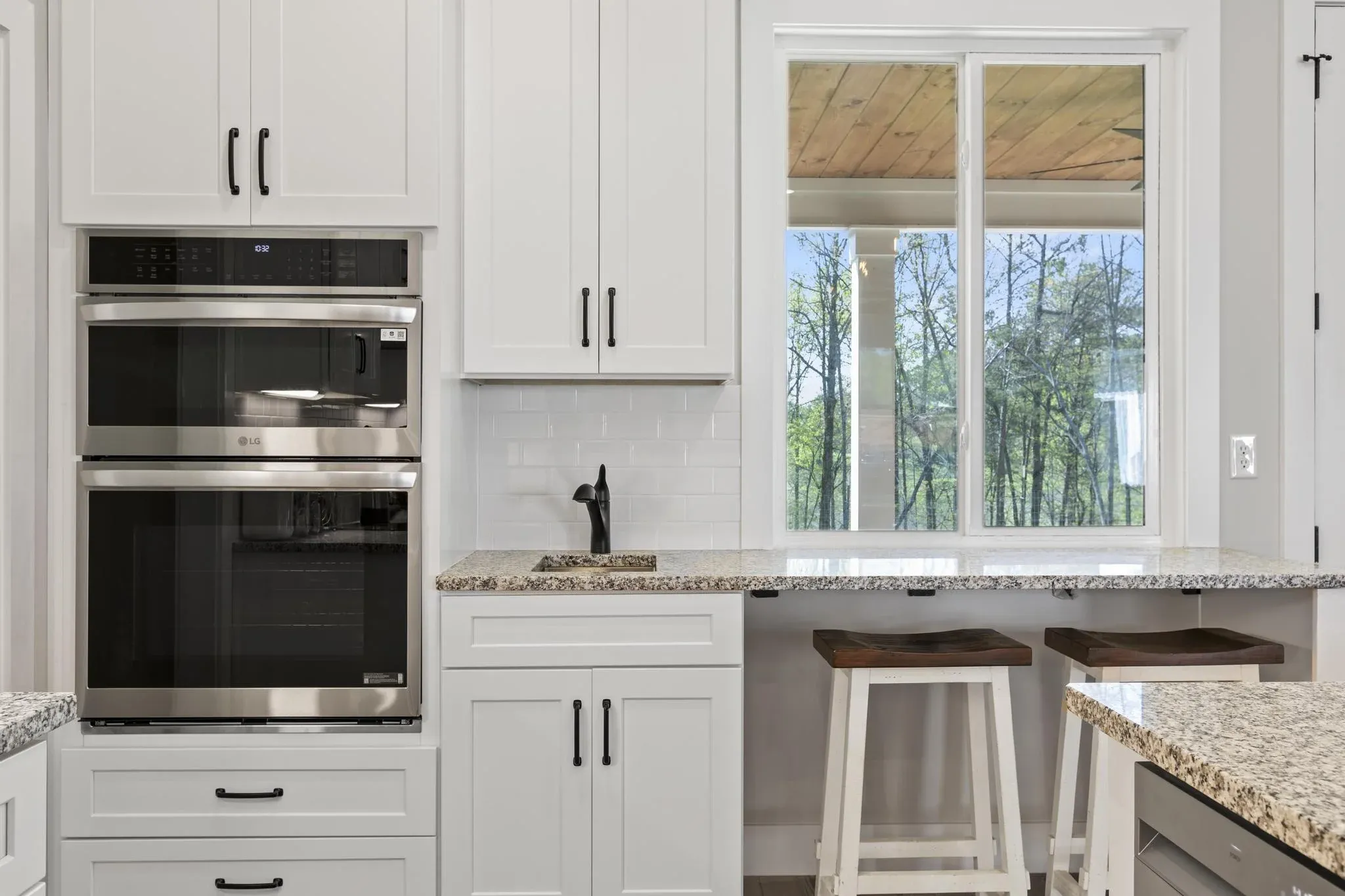
The sink choice is a critical technical decision because the "undermount" style is the gold standard for granite, allowing the natural beauty of the stone's polished edge to be fully visible around the basin. Unlike "drop-in" sinks that have a rim sitting on top of the counter, an undermount sink is attached beneath the stone. This creates a seamless transition that makes it easy to wipe crumbs and moisture directly into the sink, preventing the buildup of grime that often plagues older kitchens.
Whether you choose a classic stainless steel basin, a modern composite, or a heavy farmhouse apron-front sink, the cut-out must be precise. Because granite is a rigid, heavy material, the sink must be properly supported by the cabinetry to prevent any "sinking" over time. Our project managers oversee these technical details, ensuring the marriage between your unique slab and your functional sink is both beautiful and built to last the life of the home.
How Much Effort is Really Required to Care for Natural Stone?
Caring for granite is remarkably straightforward, requiring only a simple annual resealing and a "hospitality-first" approach to daily cleaning with mild soap and water. While the word "sealing" can sound intimidating, the modern process is as simple as wiping a liquid onto the surface, letting it sit for a few minutes, and buffing it off—a task that takes less than an hour once a year. This "invisible" layer of protection ensures that oils and acids don't penetrate the stone’s pores.
To keep your granite looking showroom-fresh, you should avoid harsh chemical cleaners, bleach, or acidic substances like vinegar and lemon juice, as these can gradually strip away the sealer. For stubborn, dried-on messes, a plastic scraper or a dedicated stone cleaner will do the job without any risk of scratching the polished finish. By managing these small technical burdens, you ensure that your home retains its value and that your counters look as vibrant in twenty years as they do on the day of installation.
Which Edge Profile Provides the Best Finishing Touch?
The edge profile is the final architectural detail that defines the "personality" of your countertop, with options ranging from clean, modern "Eased" edges to ornate, traditional "Ogee" curves. For a contemporary Boulder home, a simple eased or "square" edge keeps the focus entirely on the stone's natural pattern. If you want to add a touch of classic elegance to a historic remodel, a beveled or bullnose edge provides a softer, more finished silhouette.
With natural stone, the edge profile is where the craftsmanship of the fabricator truly shines. A "Waterfall" edge—where the granite continues vertically down the side of the cabinetry to the floor—is a bold, modern statement that has become increasingly popular in high-end Longmont and Boulder renovations. No matter which profile you choose, we ensure the finish is smooth and consistent, providing a tactile quality that invites you to run your hand along the stone every time you enter the room.
Experience the Transformation in Person
The best way to begin your granite journey is to see these magnificent slabs in person at our Longmont showroom. We believe that professional accountability is the highest form of hospitality, which is why we handle the heavy lifting of sourcing, measuring, and managing the installation crews. You shouldn't have to manage the technicalities of a stone remodel; that is our role.
Visit us today near the corner of Ken Pratt Blvd to browse our curated selection of natural stone. Allow us to help you find the one slab that speaks to your home's unique story and your family’s lifestyle.
Frequently Asked Questions: Granite
1. Is granite or quartz more durable for a high-traffic Boulder kitchen?
Both are incredibly durable, but granite holds the edge for heat resistance, allowing you to place hot pans directly on the surface, whereas quartz can be damaged by high heat due to resin content. Granite's only "weakness" is its porosity, which is easily managed by an annual application of sealer.
2. How often do I really need to reseal my granite countertops?
Most Boulder homeowners find that a once-a-year schedule is perfect, but you can easily test this yourself. Perform the "Water Test" by pouring a small puddle on the stone; if the water beads up, you are protected. If the stone darkens as the water soaks in, it is time for a fresh coat of sealer.
3. Can granite countertops be repaired if they chip?
Yes, one of the benefits of natural stone is that it is repairable. Small chips, especially around the sink or dishwasher, can be filled with a color-matched epoxy that is polished down to become virtually invisible, restoring the "drum-tight" integrity of the surface.
4. Why does granite's price vary so much between "levels"?
Price levels are determined by the rarity of the mineral colors, the distance the slab traveled from the quarry, and the difficulty of the extraction process. A "Level 1" granite is simply more abundant in nature, while "Exotics" are rarer "limited editions" of the earth's crust.