If you're weighing whether a kitchen remodel in Longmont is actually worth the investment, you're asking the right question before spending a dollar — not after. It's one of the most common concerns we hear from homeowners, whether they're remodeling to enjoy the space themselves or thinking ahead to a future sale. The honest answer is that it depends less on the size of the investment and more on the choices made within it.
A kitchen remodel can be one of the highest-return improvements you make to a Longmont home, but only when the design, cabinetry, and finishes are chosen with both livability and long-term appeal in mind. Here's what actually drives value, and where homeowners sometimes get it wrong.
Does a kitchen remodel really increase home value in Longmont?
Yes, a well-executed kitchen remodel is consistently one of the strongest value-adding renovations a home can undergo, and that holds true in Longmont's competitive housing market. National industry data, like the annual Cost vs. Value reports tracked across the remodeling industry, has long shown kitchens recouping a significant share of their cost at resale, often more than other major renovations. In a market like Longmont, where buyers are comparing similar-era homes against one another, an updated kitchen is frequently the deciding factor between two otherwise comparable properties.
That said, "increased value" isn't just about resale price — it also includes how much faster a home sells and how it's perceived during showings. A dated kitchen can quietly work against a home's price even if every other room has been updated, since kitchens tend to anchor a buyer's overall impression of a property's condition.
What kitchen remodel choices actually add value, versus just personal preference?
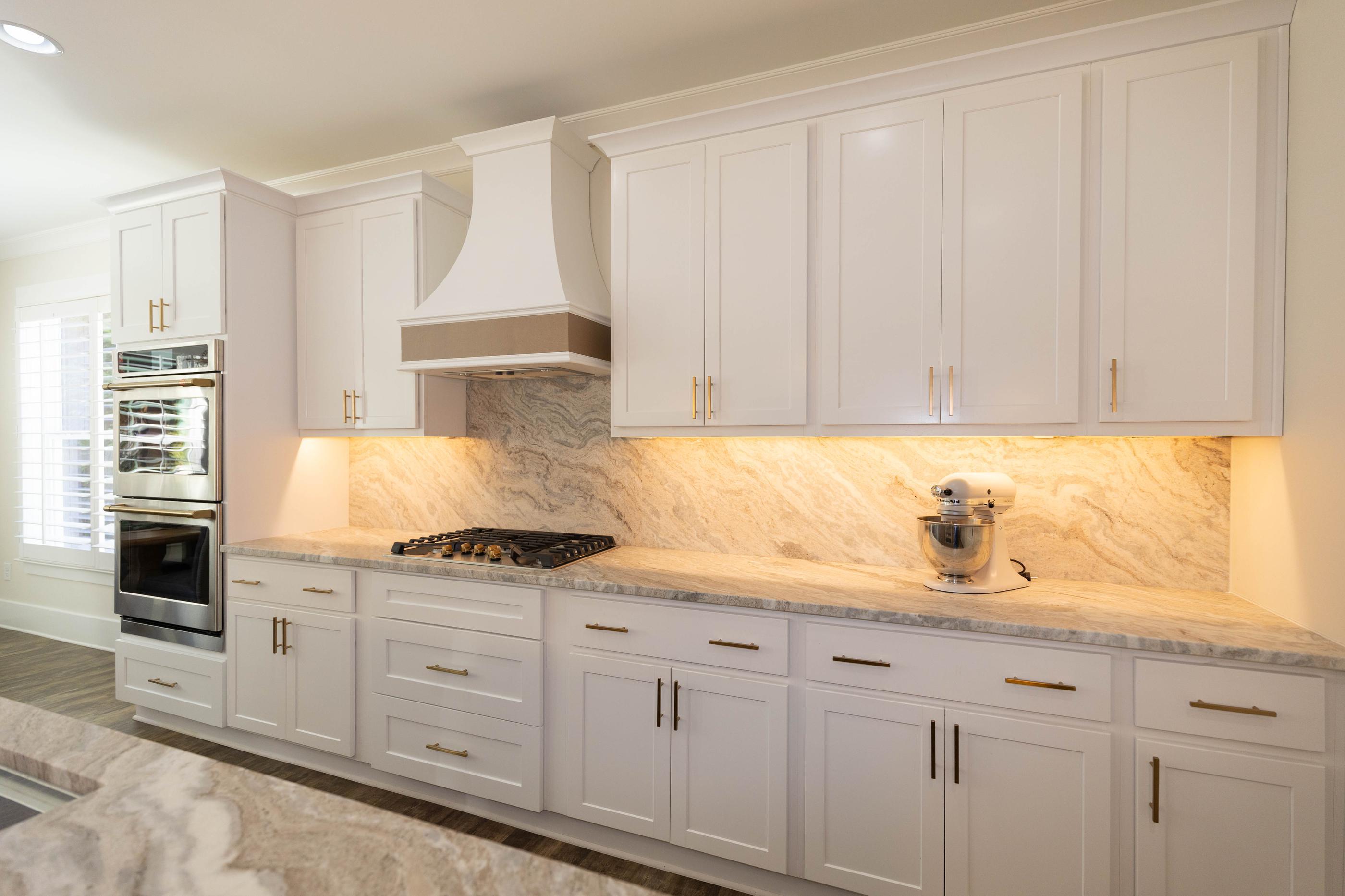
Choices that add resale value tend to be the ones that improve function and durability for any future homeowner, not just aesthetic preferences specific to the current owner. Quality custom kitchen cabinets, updated layouts that improve workflow, and durable countertop materials consistently perform well because they read as genuine upgrades rather than cosmetic trends. These are the elements a home inspector, appraiser, and future buyer will all notice and value similarly.
Highly personalized choices — bold color schemes, unusual layouts, or trend-driven finishes — can still be the right call if you're remodeling primarily for your own enjoyment rather than resale. A good kitchen design center will help you understand which decisions are safe long-term investments and which are personal style choices worth making with eyes open about their resale impact.
Why do custom kitchen cabinets matter more to resale value than people expect?
Custom kitchen cabinets matter to resale value because buyers and appraisers can generally tell the difference between builder-grade stock cabinetry and cabinetry built with quality materials and construction. Soft-close hardware, solid joinery, and finishes that hold up over years of use all signal a kitchen that was genuinely invested in, not simply refreshed to sell. This distinction often shows up directly in buyer walkthroughs, where cabinet quality is one of the first things people notice and touch.
Custom cabinetry also ages better than stock alternatives, which matters if you're remodeling years before an eventual sale rather than immediately before listing. A kitchen that still looks and functions well five or ten years after installation protects your investment far more effectively than one that shows wear within a few years.
Is it worth remodeling a kitchen if I'm not planning to sell soon?
Yes — in most cases, remodeling now rather than waiting until closer to a sale gives you the benefit of enjoying the upgraded space while still protecting your investment long-term. Kitchens with quality materials and thoughtful design tend to hold their value and appeal over many years, which means you're not sacrificing resale benefit by remodeling early. Waiting until right before a sale often leads to rushed decisions and lower-quality materials chosen purely to "get it done," which can actually undercut the value you're trying to capture.
There's also a practical argument for remodeling sooner: living in a kitchen that works well for years is its own return on investment, separate from what happens at resale. A kitchen redesigned around how you actually cook, gather, and live in your home pays dividends well before any "For Sale" sign goes up.
How does working with a kitchen design center protect my investment?
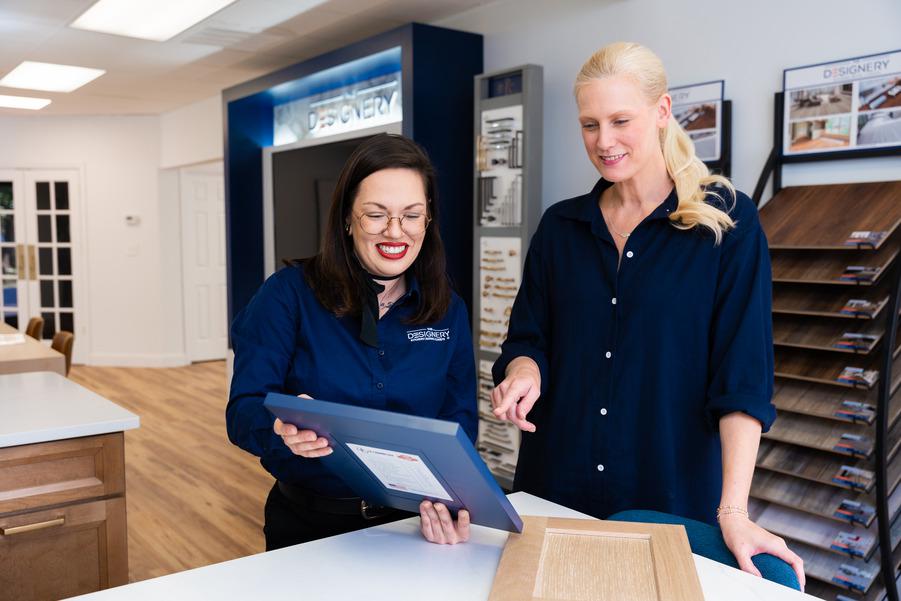
Working with a kitchen design center protects your investment by ensuring design decisions are made with both current livability and long-term value in mind, rather than defaulting to whatever's trending or cheapest. A design center that understands local buyer expectations in Longmont can help you avoid over-customizing in ways that might not appeal broadly, while still creating a kitchen that feels personal and well-designed. This balance is difficult to strike without experienced guidance, especially for homeowners remodeling for the first time.
Beyond design, a design center's oversight of cabinetry construction and installation quality directly affects how well the remodel holds up over time — which is ultimately what protects the value of the investment years down the road. A beautiful kitchen that's poorly built loses both function and resale appeal far faster than one built to last.
What kitchen remodel mistakes actually hurt home value?
Over-customization, poor-quality materials chosen to save money upfront, and layout changes that don't improve functional flow are the most common mistakes that hurt long-term value. A kitchen that photographs well but doesn't function intuitively for cooking and gathering often disappoints buyers during in-person showings, even if listing photos look strong. Similarly, cutting corners on cabinetry construction to reduce upfront cost frequently costs more in the long run through premature wear and lower perceived quality.
Skipping professional design guidance altogether is another common misstep, particularly for homeowners who assume a remodel is primarily about picking finishes rather than solving layout and functional problems. The kitchens that add the most value are almost always the ones where design decisions were made intentionally, not simply selected from a catalog.
An Investment You Can Live In Before You Ever Sell
The best-performing kitchen remodels aren't the ones designed purely for a future buyer — they're the ones designed thoughtfully enough that they'd appeal to one anyway. Quality custom cabinetry, a layout that actually works, and materials chosen to last are what protect your investment, whether you sell next year or stay for decades. The Designery Longmont approaches every kitchen remodel with that long-term view built in, so you get a kitchen worth living in today and worth valuing tomorrow.
Frequently Asked Questions
Do kitchen remodels always pay for themselves at resale?
Not entirely, but well-executed kitchen remodels consistently recoup a significant portion of their cost and often outperform other home improvements in overall return.
Should I remodel my kitchen right before selling my home?
It's usually better to remodel earlier so you can enjoy the space, since rushed pre-sale remodels often lead to lower-quality decisions made under time pressure.
What adds the most value in a kitchen remodel?
Improved layout and workflow, quality cabinetry, and durable, timeless finishes tend to add the most consistent long-term value.
Can a kitchen remodel actually hurt my home's value?
Yes, if it involves poor-quality materials, overly personalized design choices, or layout changes that reduce functionality rather than improve it.
Does working with a kitchen design center cost more than a standard contractor?
It can involve a higher upfront investment, but the design guidance and cabinetry quality typically protect long-term value more effectively than a purely construction-focused approach.