Why Is Colorado’s Climate Hard on Kitchen Cabinets?
Colorado is beautiful. It is also incredibly dry, and that dry air can be tough on natural wood materials inside your home.
If you have lived on the Front Range for more than one winter, you already know what low humidity does to your skin, your sinuses, and your houseplants. What many homeowners do not realize is that the same dry conditions can also affect kitchen cabinets.
For homeowners in Longmont and Boulder, choosing the best cabinet materials is not just about appearance. Colorado’s climate can cause poorly constructed cabinets to warp, shrink, crack, or loosen over time. The right materials and construction methods help prevent those problems before they start.
During winter months, indoor humidity levels in Colorado homes can drop below 15 percent once heating systems begin running continuously. That environment places significant stress on natural wood products. Cabinets that looked perfectly stable in a showroom in another part of the country may begin showing wear after only a few Colorado winters if they were not designed for dry climates.
At The Designery Longmont, we think of this approach as Climate-Ready Cabinetry. By selecting stable materials, durable finishes, and proper construction methods from the beginning, homeowners can enjoy cabinetry that looks just as good fifteen years from now as it did on installation day.
Why Does Wood Move in Low Humidity?
Wood naturally absorbs and releases moisture depending on the surrounding environment. In humid climates, wood expands. In dry climates, it contracts.
This happens because wood is hygroscopic, meaning it behaves somewhat like a sponge. Most regions of the country experience moderate humidity throughout the year, so cabinetry movement stays within a manageable range. Colorado is different.
When indoor humidity drops during winter, wood continually loses moisture for months at a time. As the wood contracts, stress develops within the material. If cabinets are not built using climate-appropriate materials and construction methods, that movement eventually becomes visible.
One of the most common issues is checking. Checking occurs when wood fibers separate as moisture leaves the panel too quickly, creating small hairline cracks at joints or across raised-panel doors. While this does not necessarily mean the cabinet is structurally failing, it does indicate the material was not ideally suited for Colorado’s climate.
Understanding why wood moves is the first step toward preventing long-term cabinet problems.
What Are the Best Cabinet Materials for Colorado Homes?
Some cabinet materials perform far better than others in Colorado’s dry environment. The best cabinet materials combine dimensional stability, strong construction, and long-term durability.
Why Are Rift-Sawn and Quarter-Sawn Hardwoods More Stable?
The way wood is milled has a major impact on how stable it remains over time.
Plain-sawn lumber, which is the most common and affordable option, produces a wide grain pattern that is more prone to cupping, twisting, and bowing as humidity changes. Rift-sawn and quarter-sawn lumber create a straighter, tighter grain structure that resists movement far more effectively.
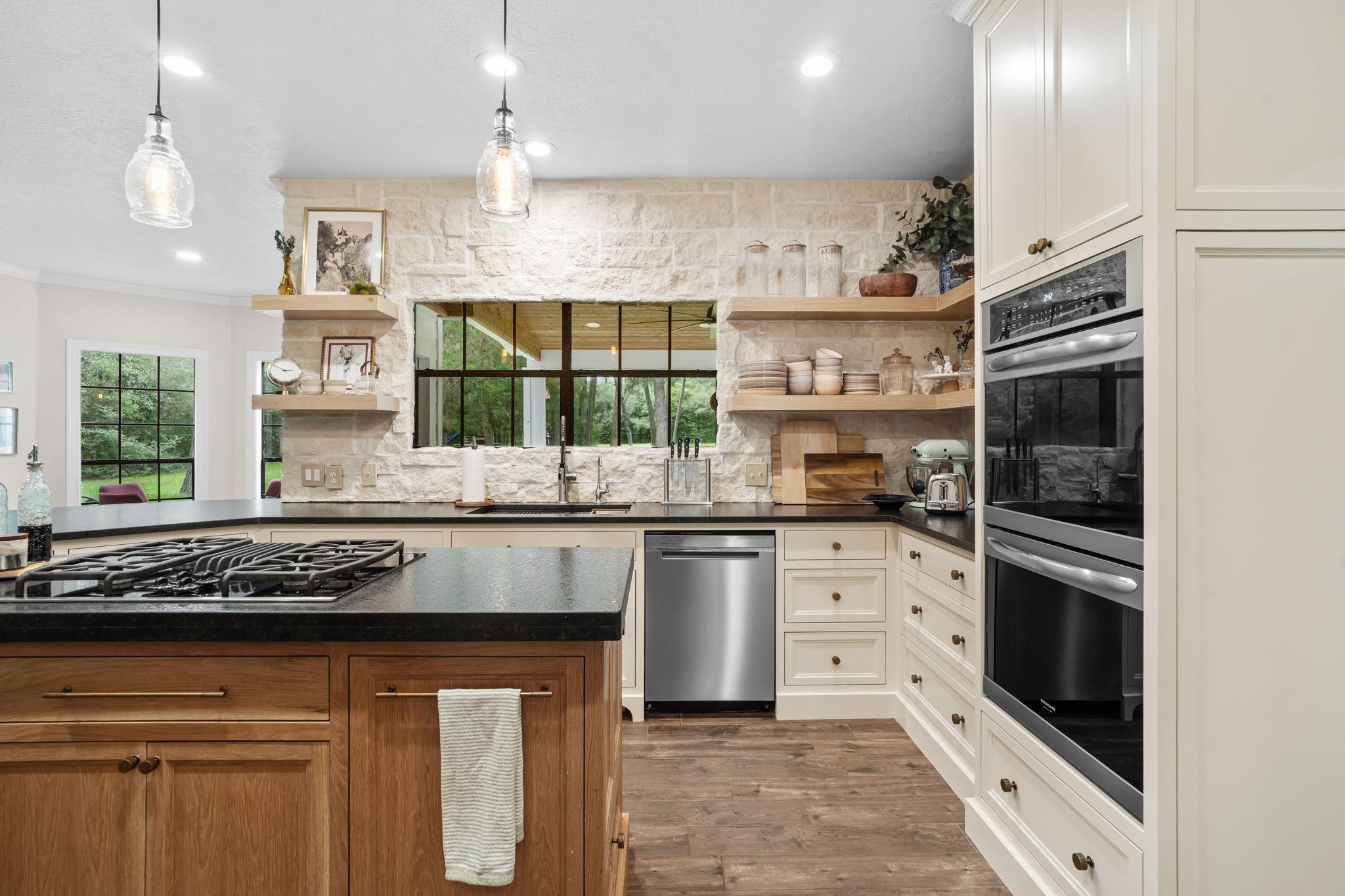
For Colorado kitchens, rift-sawn White Oak is one of the most reliable natural wood options available. Its straight grain pattern offers excellent dimensional stability while complementing the warm, clean-lined Mountain Modern aesthetic popular throughout the Front Range.
Although rift-sawn and quarter-sawn materials typically cost more than plain-sawn alternatives, the improved long-term performance makes them a worthwhile investment for Colorado homeowners.
Why Is All-Plywood Box Construction Better Than Particle Board?
Cabinet box construction plays a major role in long-term durability.
Particle board is manufactured using compressed wood fibers and adhesives. While it is affordable and consistent, repeated humidity fluctuations can weaken the material over time and reduce fastener holding strength. Hinges, drawer glides, and mounting hardware may eventually loosen as the material ages.
Plywood performs much better in dry climates because it is built from cross-laminated wood veneers arranged in alternating grain directions. This layered construction creates exceptional dimensional stability and resistance to warping.
Plywood also holds screws and hardware far more securely over time, helping doors and drawers continue operating smoothly for years after installation.
At The Designery Longmont, all-plywood box construction is a non-negotiable standard in the cabinet lines we recommend for Colorado homes.
Why Are Engineered Core Doors Ideal for Painted Cabinets?
Painted cabinets are especially vulnerable to visible cracking when solid wood expands and contracts.
That is why engineered core doors are one of the smartest choices for painted kitchens in Colorado. These doors typically use a high-density fiberboard core combined with solid wood framing. From the outside, they look identical to traditional solid wood doors, but they behave much more consistently in low humidity.
Because engineered cores are dimensionally stable, painted finishes remain smoother and are less likely to crack at joints or seams over time.
For homeowners who love painted cabinetry but want better durability in Colorado’s climate, engineered core construction is often the ideal solution.
Are High-Pressure Laminate Cabinets Good for Colorado Homes?
High-pressure laminate, often called HPL, is an excellent option for homeowners seeking durability and low maintenance.
HPL panels are manufactured by fusing decorative surfaces to stable substrates under extreme heat and pressure. Because the surfaces are highly resistant to moisture-related movement, they perform exceptionally well in Colorado’s dry conditions.
Unlike natural wood, laminate surfaces do not typically shrink, crack, or warp due to seasonal humidity changes. They are also highly resistant to scratches, stains, and everyday wear.
Modern high-pressure laminates are available in a wide range of finishes that realistically mimic wood grain, stone textures, and matte contemporary surfaces. For busy households or modern slab-door kitchens, HPL offers outstanding long-term performance.
Why Does Cabinet Finish Quality Matter So Much?
Even the best cabinet materials can underperform if the finish is not durable enough for Colorado’s climate.
Cabinet finishes must balance hardness and flexibility. Finishes that are too rigid may chip or crack as materials naturally move. Finishes that are too soft can scratch, dull, or wear prematurely.
Factory-applied finishes generally outperform site-applied alternatives because they are cured under highly controlled conditions. Many premium manufacturers use catalyzed conversion varnishes, which chemically cure into a dense, durable protective layer.
These finishes bond tightly to the cabinet surface, resist chipping at joints and edges, and maintain their appearance through years of seasonal humidity changes.
A cabinet painted locally with standard paint products typically cannot achieve the same durability or consistency as a professionally factory-finished product. Investing in a high-quality factory finish helps protect cabinetry for the long term.
How Does Colorado’s High UV Exposure Affect Cabinets?
Colorado’s elevation creates significantly stronger UV exposure compared to many lower-altitude regions.
Homes throughout Longmont and Boulder often feature large south-facing windows designed for natural light and passive solar warmth. While beautiful, this sunlight can gradually fade cabinet finishes and alter the appearance of natural wood species over time.
Some woods are more susceptible to UV-related color changes than others. Walnut, for example, tends to lighten noticeably with prolonged sun exposure, while White Oak generally maintains its color more consistently.
For kitchens with significant natural light, UV-resistant topcoats can help reduce fading and preserve the original appearance of cabinetry longer.
Discussing sunlight exposure during the design process helps homeowners avoid unexpected color changes after installation.
How Can You Tell if Cabinets Are Made from Plywood or Particle Board?
The easiest way to verify cabinet construction is to ask for the manufacturer’s specification sheet. Reputable cabinet companies clearly identify whether cabinet boxes are constructed from plywood or particle board.
You can also inspect a cabinet sample directly. Plywood reveals visible layered veneers along exposed edges, while particle board has a more uniform, granular appearance.
At The Designery Longmont, we encourage homeowners to compare cabinet construction materials side by side so they can better understand the differences in durability and performance.
What Are the Signs That Dry Climate Damage Is Affecting Cabinets?
Low humidity damage often develops gradually over time.
Some of the most common warning signs include:
● Hairline cracks near door joints
● Paint chipping along edges
● Doors or drawers shifting slightly out of alignment
● Cabinets that no longer close smoothly
● Loose hinges or hardware
While these problems may appear minor initially, they often become more noticeable as cabinets continue responding to seasonal humidity cycles.
Choosing climate-appropriate cabinet materials during a remodel is far easier and more cost-effective than correcting these issues later.
Does a Humidifier Help Protect Kitchen Cabinets in Colorado?
Yes. Maintaining indoor humidity between roughly 35 and 45 percent during winter months can help protect cabinetry, hardwood floors, and wood furniture throughout the home.
However, proper humidity control should support good material selection rather than replace it.
Climate-appropriate cabinetry materials will always perform better in Colorado conditions than materials that were not designed for dry environments.
How Long Should Quality Cabinets Last in a Colorado Home?
Well-built cabinets using quality materials, stable construction methods, and durable finishes should last twenty to thirty years or longer in a Colorado home.
While homeowners may eventually update hardware, paint colors, or design styles based on personal preference, the cabinet structure itself should remain solid and functional for decades.
Investing in better materials upfront often reduces maintenance issues and extends the lifespan of the entire kitchen.
Where Can You Compare Cabinet Materials in Person?
Seeing cabinet materials firsthand makes a major difference when evaluating quality and durability.
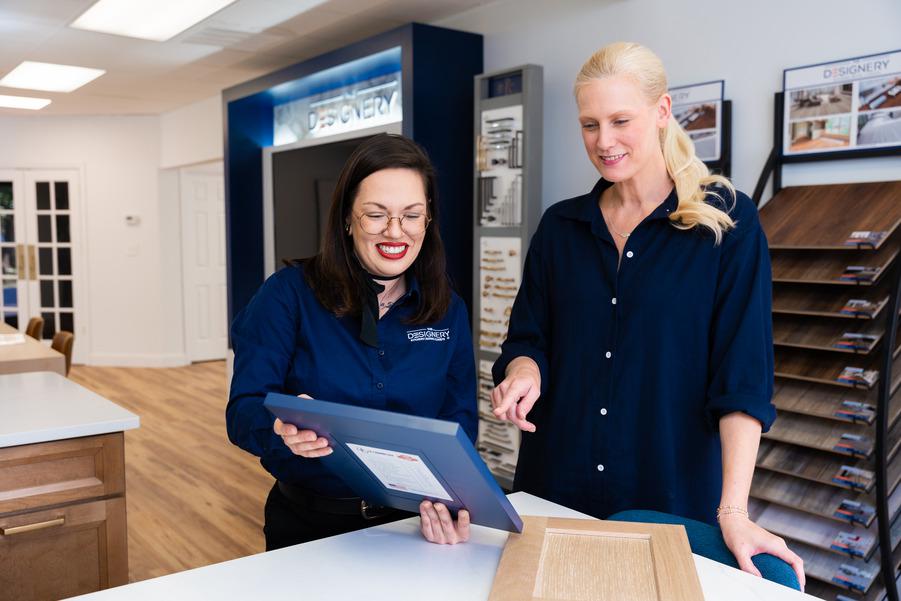
At The Designery Longmont, our showroom features examples of plywood construction, engineered cabinet doors, premium finishes, and modern material options designed specifically for Colorado homes.
Being able to compare materials side by side helps homeowners better understand how construction quality affects long-term performance.
Why Work with The Designery Longmont for Climate-Ready Cabinetry?
Choosing the best cabinet materials for a Colorado home requires more than simply selecting a door style or finish color. Long-term cabinet performance depends on understanding how materials respond to Colorado’s dry climate, sunlight exposure, and seasonal humidity changes.
At The Designery Longmont, we help homeowners select cabinetry designed specifically for the realities of Front Range living. From all-plywood construction to engineered door cores and durable factory finishes, every recommendation is focused on creating kitchens that remain beautiful and functional for years to come.
Visit our Longmont showroom or schedule a free consultation to explore cabinet materials built for Colorado living.
Frequently Asked Questions About Cabinets in Colorado’s Climate
How can I tell if a cabinet is plywood construction or particle board before I buy?
The most reliable method is simply to ask for the specification sheet from the manufacturer, which will state the box material explicitly. You can also look at the interior of a sample cabinet: plywood will show visible layers at the edges, while particle board has a more uniform, granular appearance. Any reputable cabinet line should be transparent about this information upfront.
Are there signs that my existing cabinets are suffering from Colorado's dry climate?
The most common signs are hairline cracks at the joints of raised-panel doors, paint chipping along door edges, drawers or doors that have shifted slightly and no longer close as smoothly as they once did, and hinges or hardware that feel looser than they used to. These issues tend to progress gradually and are much easier to prevent during a remodel than to correct after the fact.
Does adding a humidifier to my home help protect my cabinets?
Yes, maintaining indoor humidity in the 35 to 45 percent range during winter months is genuinely beneficial for wood cabinetry, hardwood floors, and wood furniture throughout your home. That said, a whole-home humidifier is a supplement to good material selection, not a substitute for it. Climate-appropriate materials will always outperform climate-inappropriate ones regardless of how well you manage your indoor air.