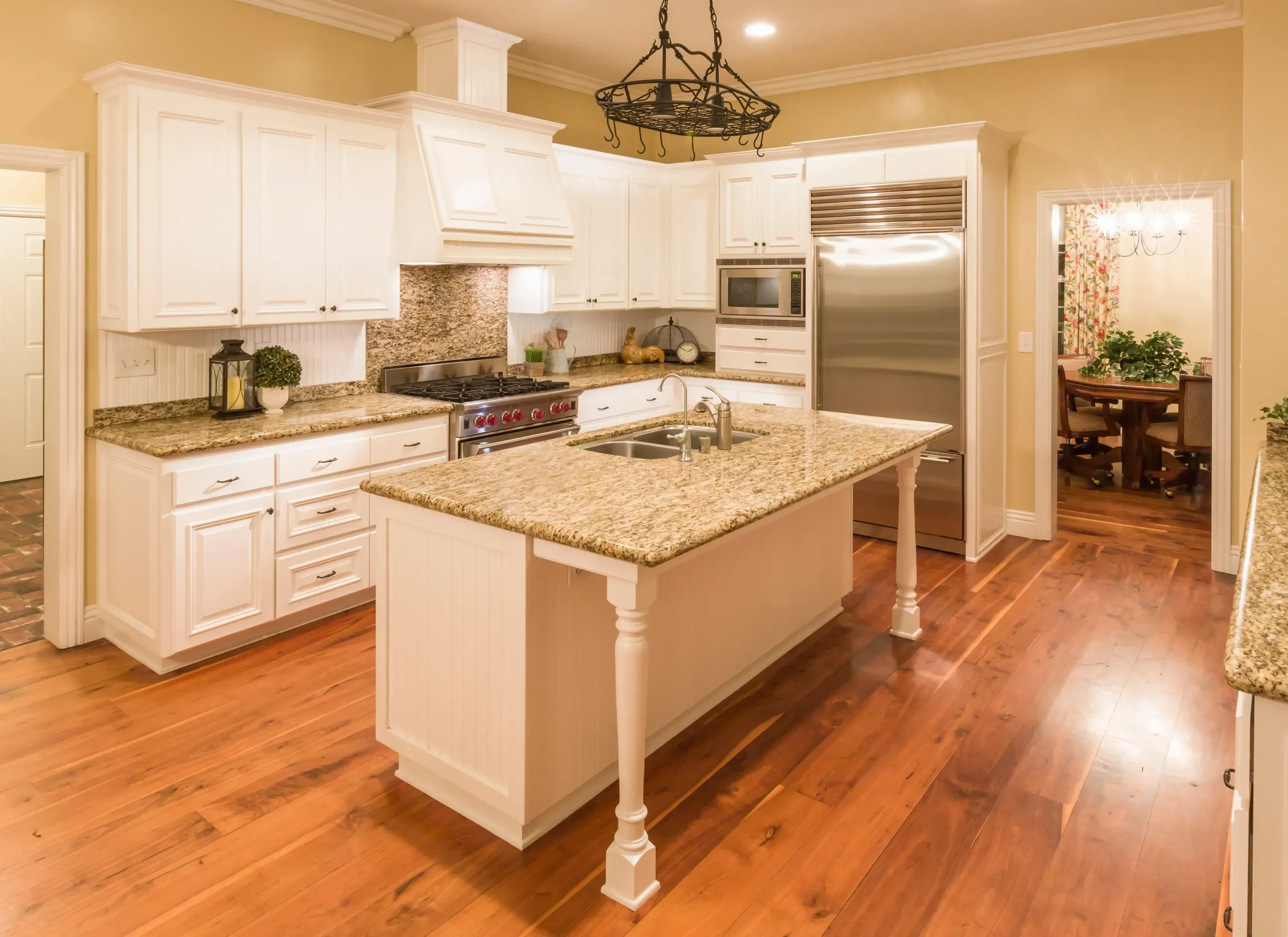
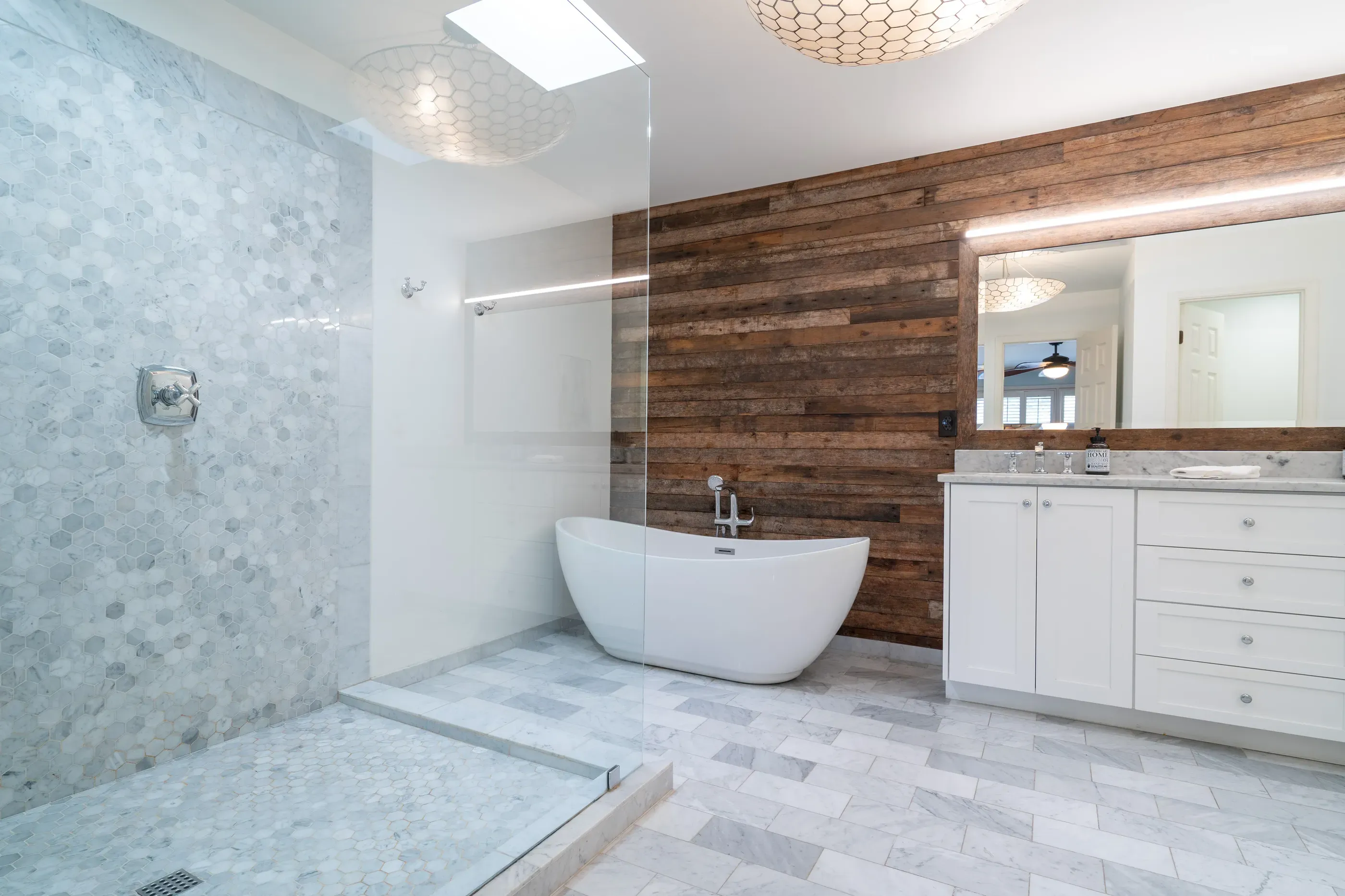
How often would you ideally update your flooring? Some of the highest quality options, like porcelain and hardwood, can last 50 years or more. Homeowners install it for its timelessness and durability, as well as the value it adds to their home. Others like to keep up with home trends and would prefer to replace floors every 10-20 years.
This is just one way to decide between tile vs. LVT. Keep reading as we break down the benefits and differences between these types of waterproof flooring.
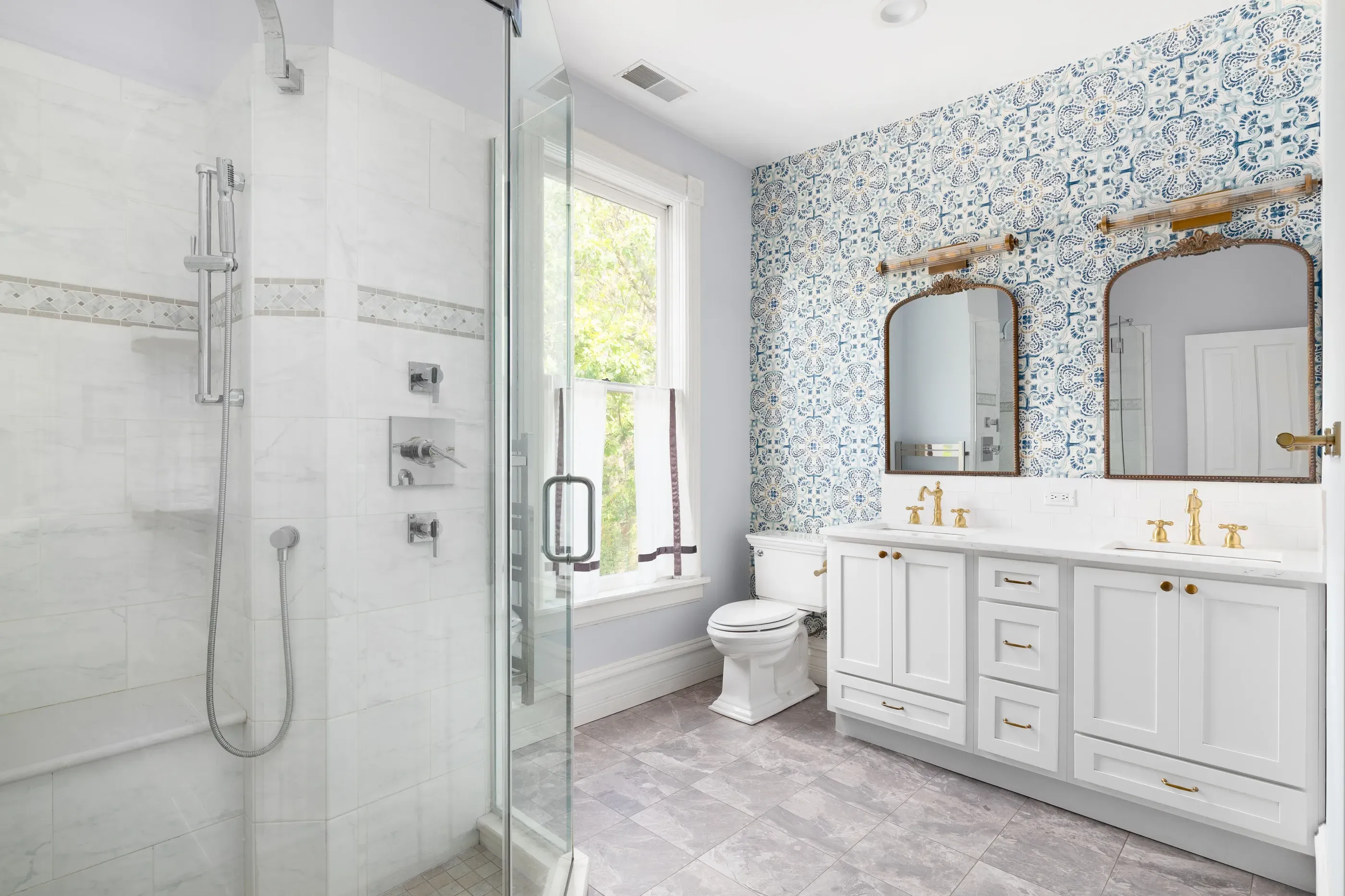
Fast facts: Ceramic, porcelain, and stone tile
-
Tile floors are truly timeless. Ancient Egyptians were installing fired clay versions several thousand years ago.
-
Ceramic and porcelain floor tiles are made from a blend of clay, sand, and minerals. The mix is fired at high temperatures and glazed to form a hard tile.
-
Porcelain contains more clay and is exposed to higher temperatures, so it’s less porous and stronger than ceramic.
-
Popular natural stone tiles include granite, slate, limestone, marble, and travertine.
-
Stone tiles come straight from the earth and are sawed, polished, cut, and finished into tiles.
-
Some types of tiles require perfectly even subflooring and elevated expertise in installation. Ceramic tile is the most forgiving and easiest to install.
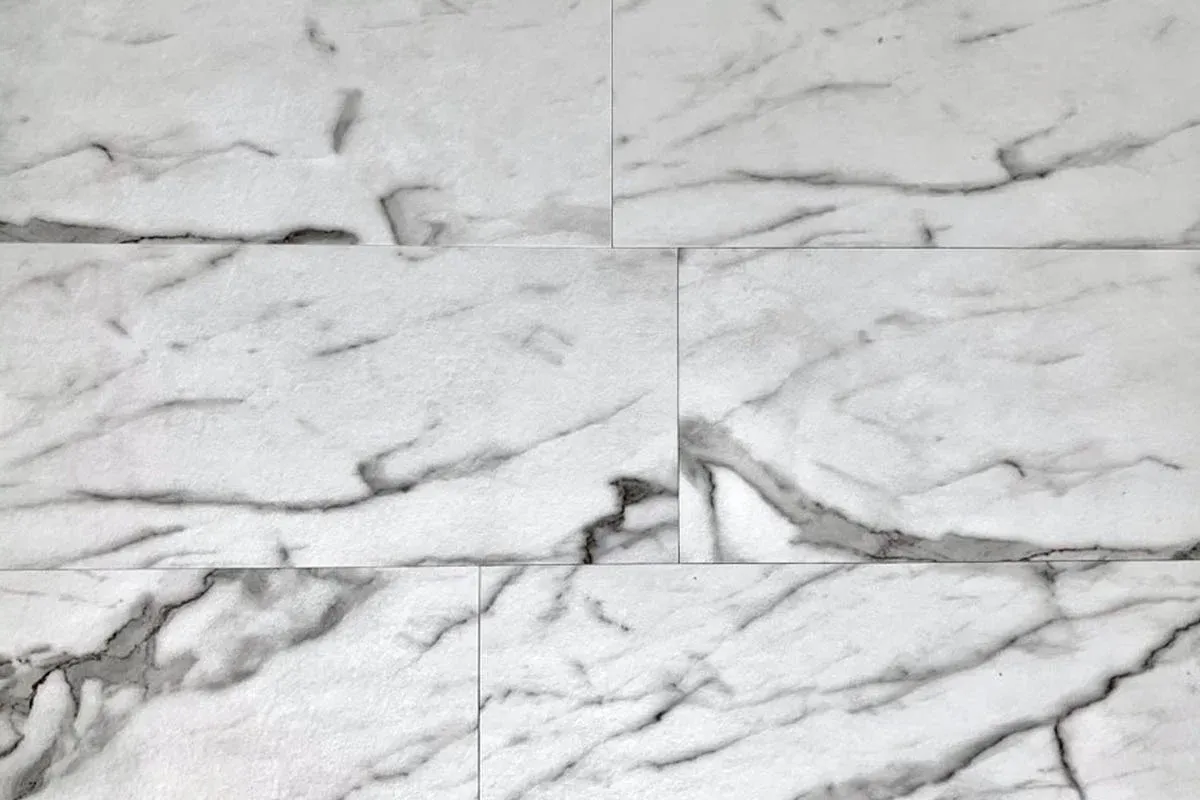
Fast facts: Luxury vinyl tile (LVT)
-
Technological advancements have drastically improved the look and feel of vinyl flooring in the last 10 years. That’s why we now call it “luxury.”
-
LVT is a comfortable option. It’s quieter, warmer, and more comfortable to walk on compared to harder tiles.
-
It’s much easier to install than stone or clay-based tile. In fact, some more experienced homeowners DIY it.
-
The average lifespan of an LVT floor is 10-25 years. Manufacturer warranties usually indicate how long they should last.
-
LVT is very easy to care for, resists scratches and staining, and is easy to replace if damaged. That’s why it’s a popular choice for pets and kids.
-
It’s also an affordable, yet still good quality, alternative to traditional tile. This makes it more feasible to cover large rooms and open concepts in one go.
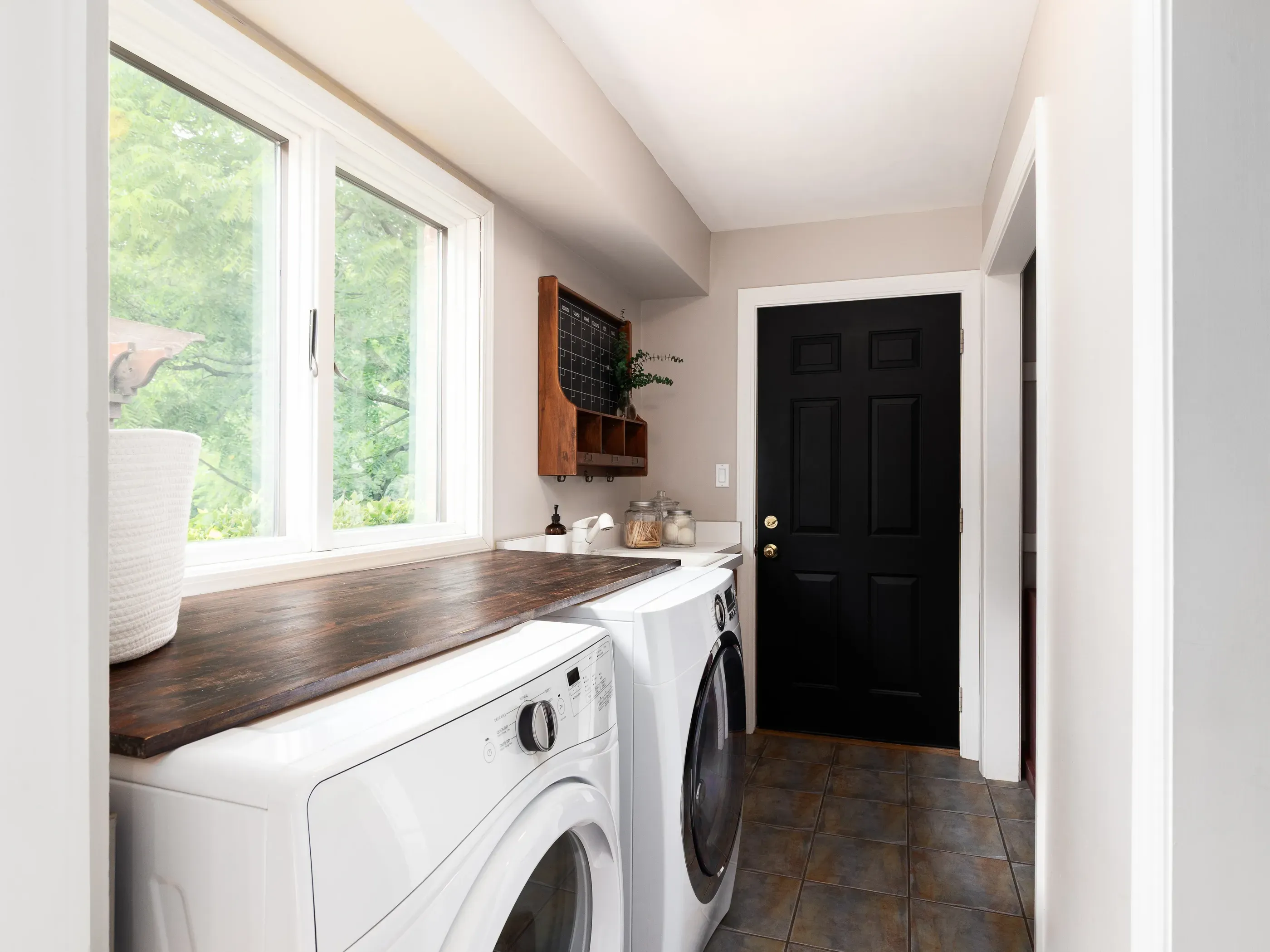
Tile vs. LVT: Maintenance considerations
Upkeep, repair, treatment, and cleaning. Maintenance is a hot topic in the debate between tile vs. LVT because there are some marked differences.
|
Porcelain and ceramic tile maintenance* |
Luxury vinyl tile (LVT) maintenance |
|
Annual deep cleaning and resealing of grout |
Never needs sealing or regrouting |
|
Sweep and mop with gentle cleaning solutions |
Sweep, vacuum, and mop as normal |
|
Ceramic and porcelain are very scratch-proof, with porcelain being |
Contains a wear layer to resist stains and scratches; wipe up spills promptly |
|
Dropping heavy objects can crack or chip tiles, which aren’t as easy to replace as LVT |
Heavy dragging or sharp objects can penetrate the wear layer |
|
Top moisture resistance, but neglected grout can let water in between tiles |
Moisture-resistant, but still has seams where standing water could seep through |
*Porcelain and ceramic tiles are used in most tile vs. LVT comparisons as they are more common and homogeneous across many varieties. Natural stone tiles have separate requirements from stone to stone.
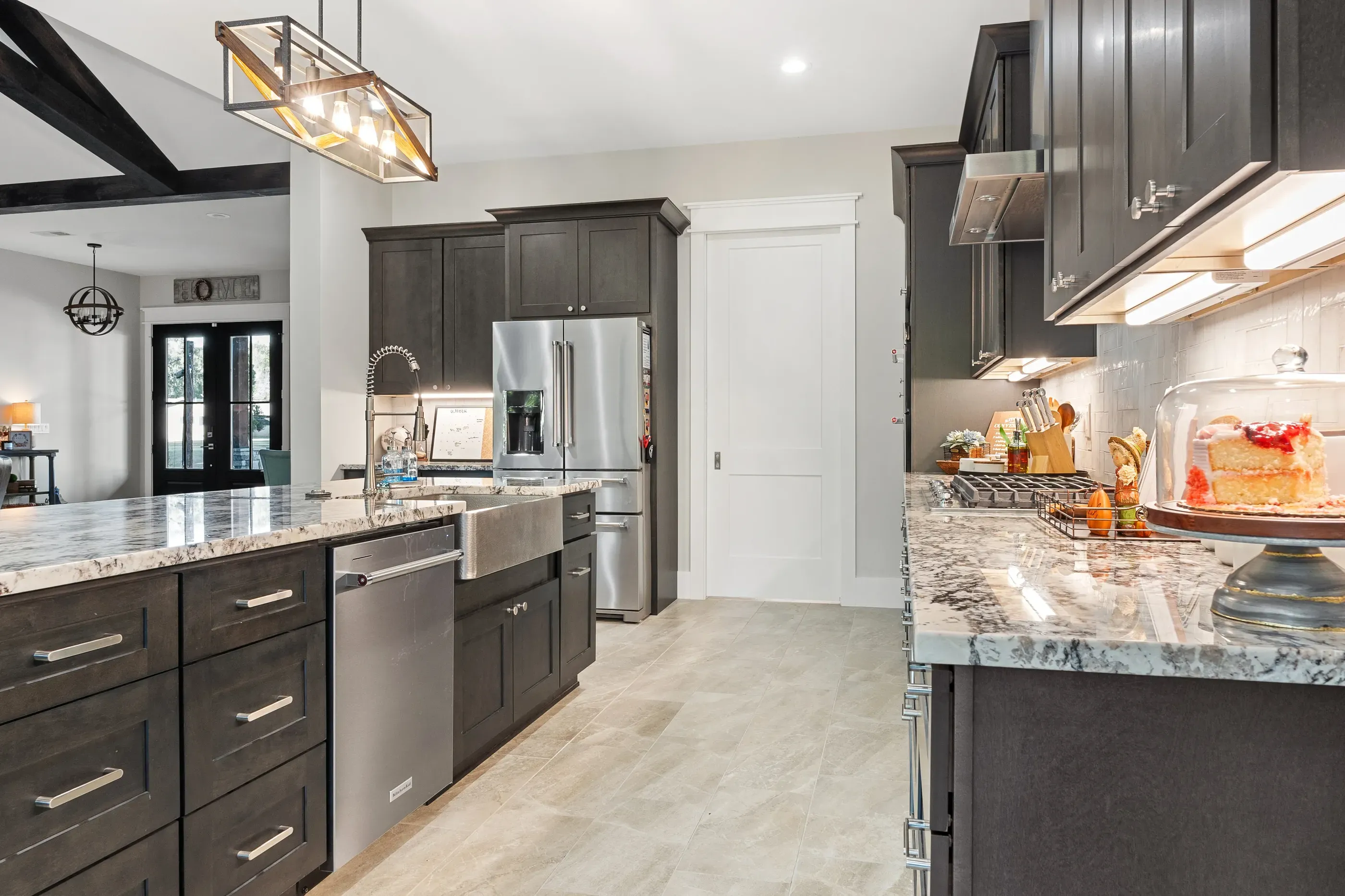
Is LVT cheaper to install than tile?
Yes, LVT is much less expensive on all fronts. It can be less than half the cost of tiling a floor of the same size and subfloor condition. Having an experienced tile setter install a ceramic or porcelain tile floor is worth the expense for longer-lasting results. A well-done LVT floor is high-functioning for busy households.
Which is better, tile or LVT?
Application is everything when comparing traditional tile vs. LVT. Ceramic or stone tile may be better for a full, upscale primary bathroom remodel. LVT can be a smarter choice for entryways and laundry rooms. Before you decide which is better for your remodel, ask these questions:
-
Do I want to update my flooring again in the next 10-20 years?
-
How much am I willing to put into regular cleaning and maintenance?
-
Would I mind a floor that needs professional repair if damaged?
-
How much am I willing to spend on materials and installation?
-
Am I looking to cover a large span of flooring quickly and efficiently?
-
Is how a floor feels underfoot a high priority?
Porcelain, stone, and ceramic tile add value to a home and will reliably last for decades. LVT is low-maintenance, comfortable underfoot, and budget-friendly. Both floors are great moisture-resistant picks for kitchens, baths, and more.
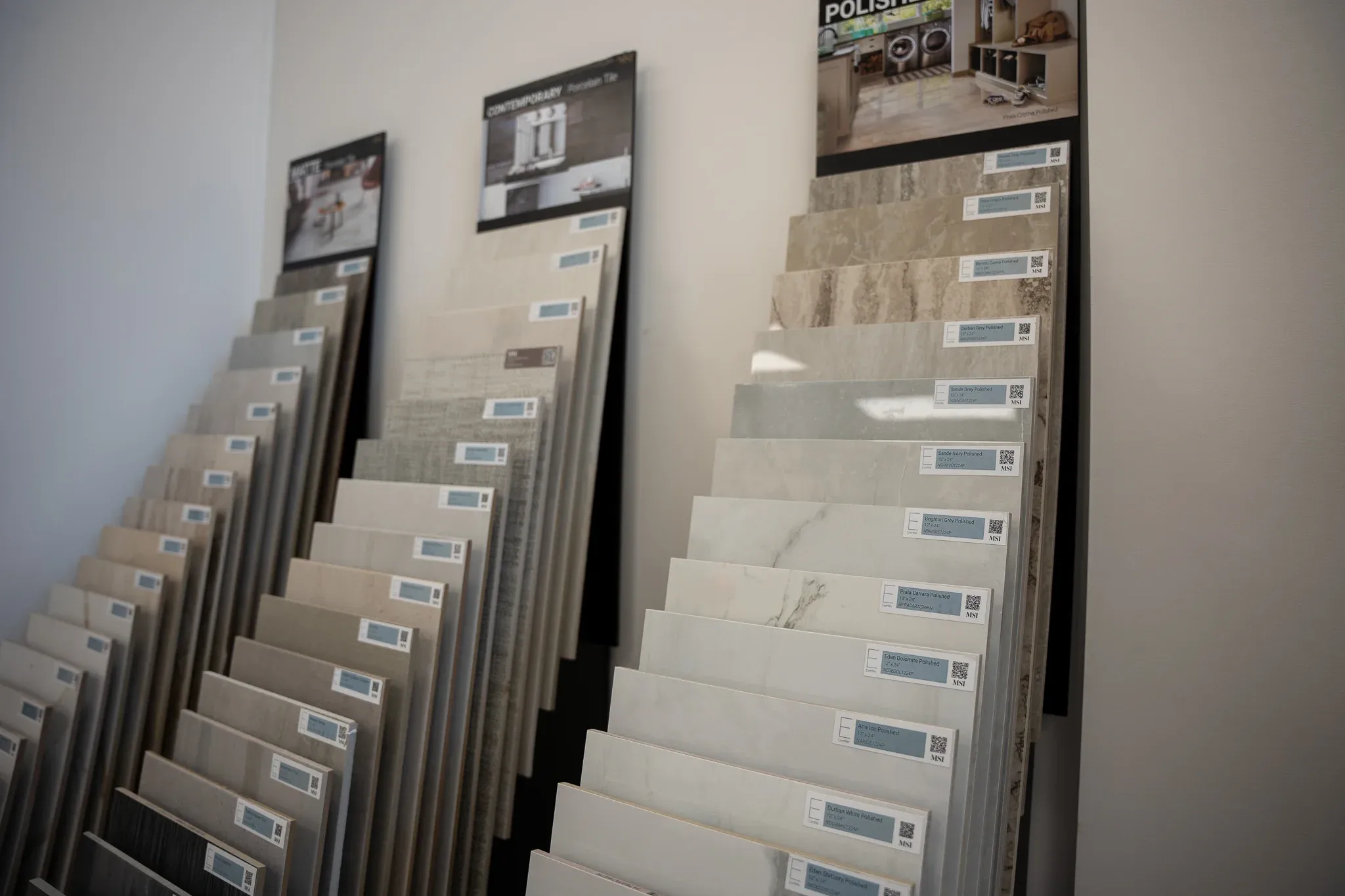
See the selection at The Designery.
Need more help? A professional designer can show you more. They’re waiting for you at your local The Designery showroom. We have an impressive range of designs, colors, and finishes in every material, for every room.
“I can’t say enough good things about The Designery. They have an excellent reputation, do things the right way, and clearly care about quality and people.
Everything I’ve seen about their work and their team reflects professionalism, attention to detail, and great design. I’d confidently recommend them to anyone looking for a company they can trust.”
Trey, The Designery client