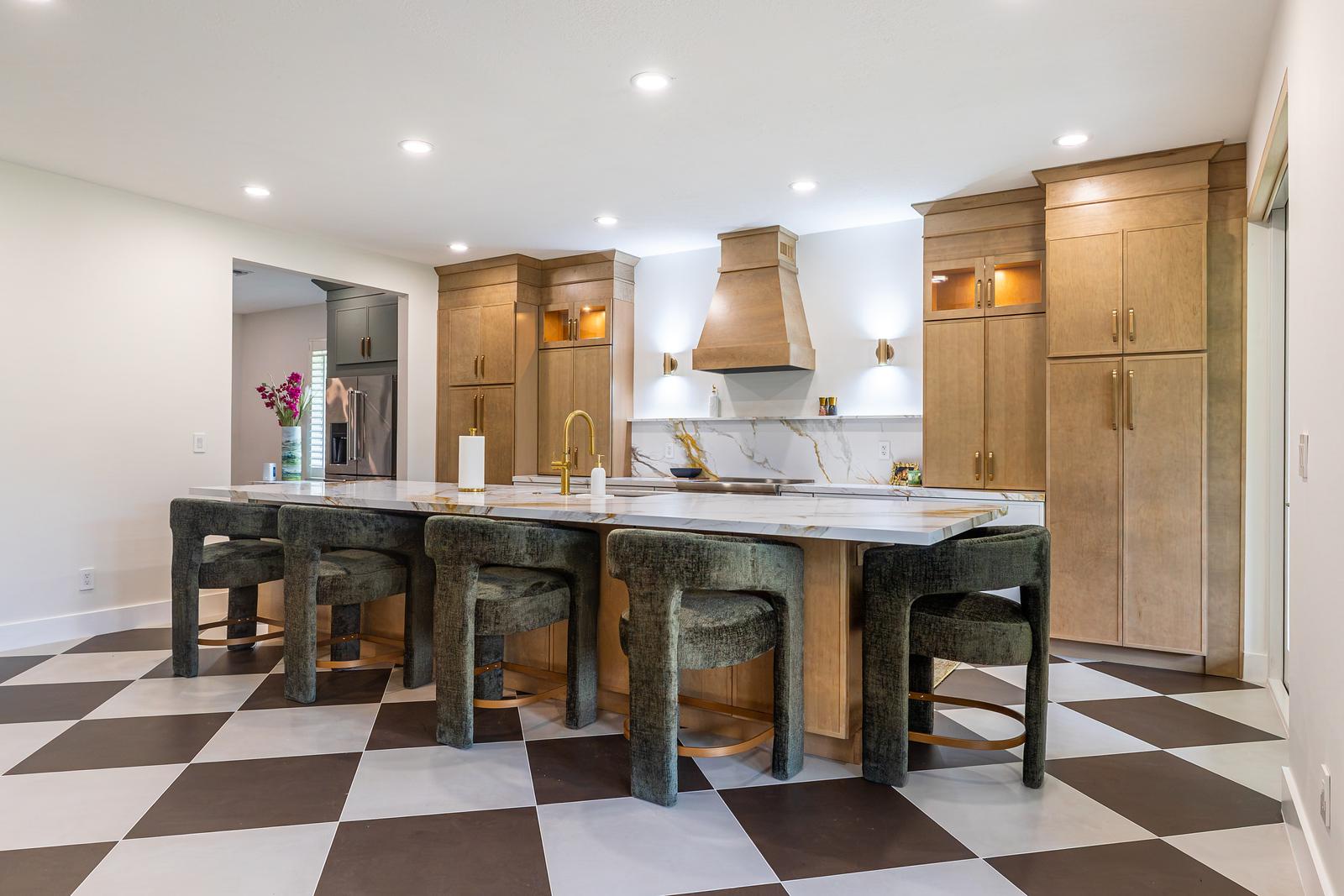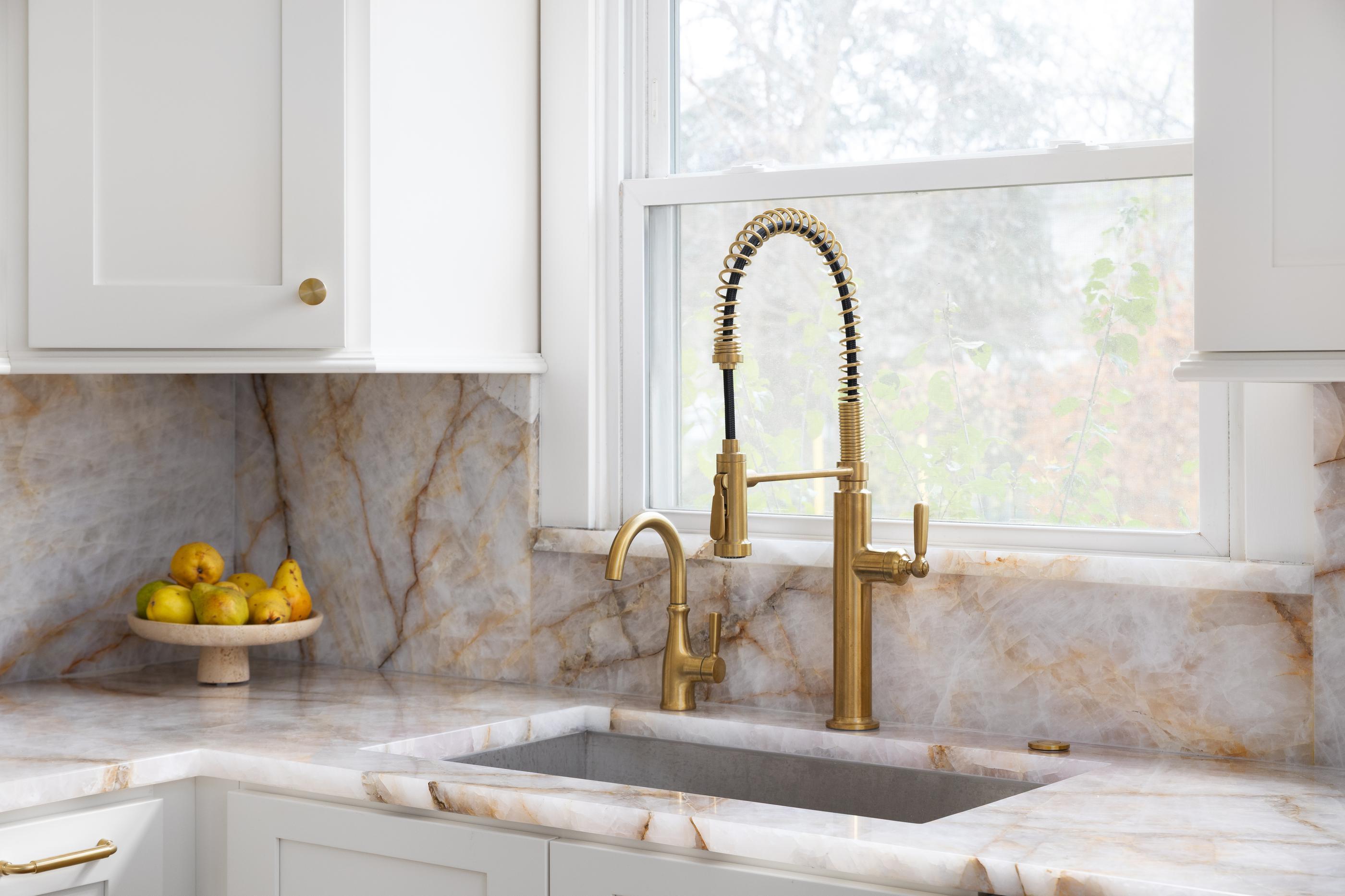
Natural stone has a beautiful way of making a kitchen design feel esquisite. No two slabs are exactly alike. Natural variations in color, veining, texture, and movement make the material special. Whether you choose marble, granite, quartzite, or another natural stone, you bring a material with a story home.
While natural stone isn't as maintenance-free as it’s engineered counterparts, the standard care for marble, quartzite, and granite is not as complicated as you may think. Like any investment in your home: preserving natural stone benefits from a little regular care.
The good news? Natural stone countertops don't require complicated upkeep. A few thoughtful habits, the right cleaning products, and periodic sealing can go a long way toward preserving their beauty for years to come.
If you've been hesitant to consider natural stone because you've heard it can be difficult to maintain, don't count it out just yet. Understanding how your stone behaves and how to care for it can make a big difference. It helps you choose the perfect material for your kitchen design.
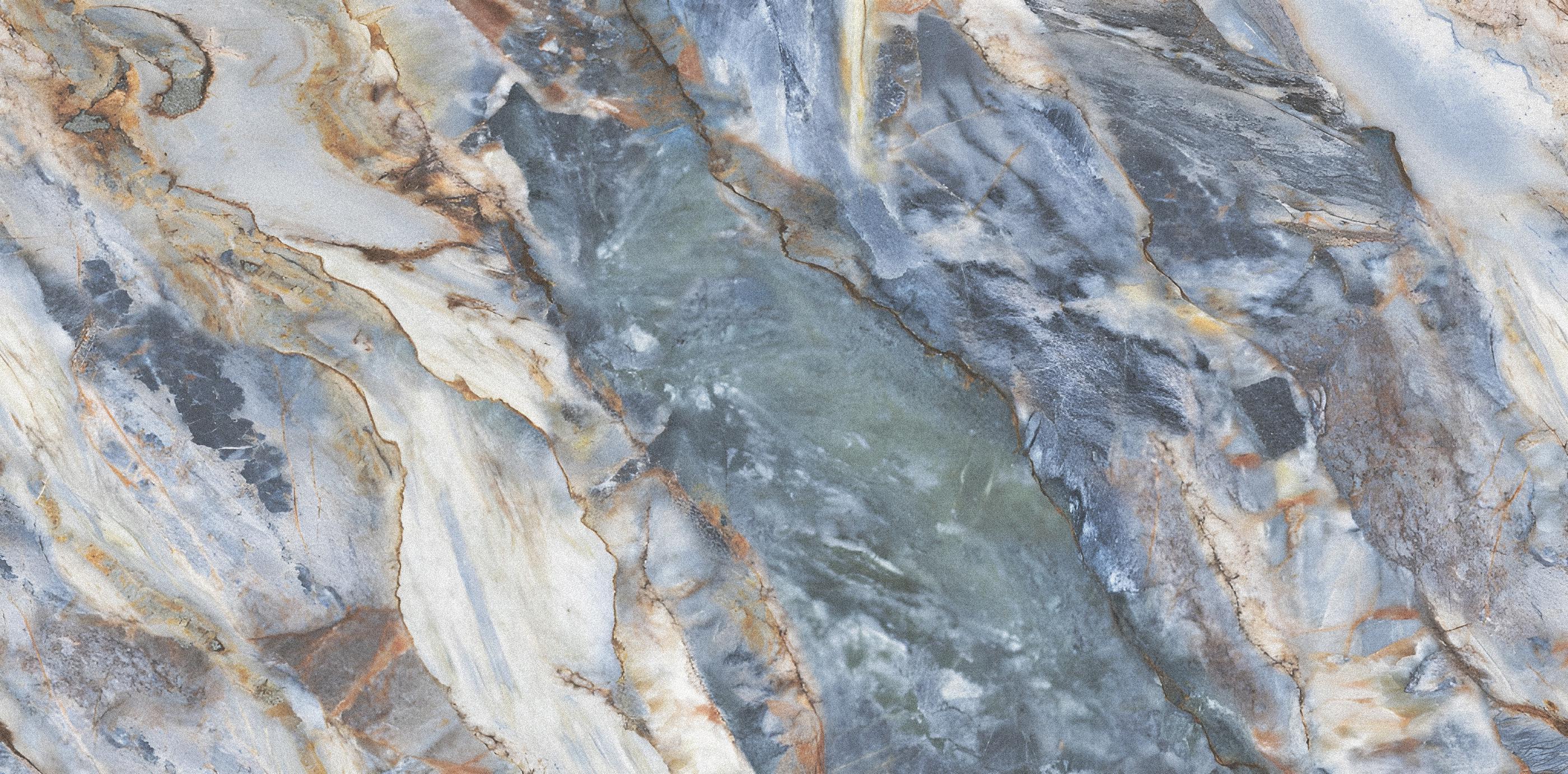
Simple, Everyday Cleaning for Natural Stone Countertops
The best natural stone maintenance routine is often the simplest one:
- Clean your countertop regularly
- Don't let spills sit
For everyday cleaning, use a soft microfiber cloth or sponge with warm water and a cleaner specifically formulated for natural stone. A mild, pH-neutral cleaner is generally a good choice because it cleans the surface without introducing harsh ingredients that could damage or dull the stone over time. Our designers recommend the Zep Granite and Stone Cleaner.
Looking for a cleaner alternative for natural stone cleaner? Our lead design specialist recommends the Method Daily Granite Cleaner.
Pay particular attention to spills from ingredients that can stain or react with certain types of stone. Coffee, wine, tomato sauce, citrus, and cooking oils are all worth wiping up promptly rather than allowing them to sit on the surface.
We’ve covered the best cleaners for marble or quartzite counters. But it’s also important to know what not to use on your countertops.
This helps prevent confusion. Abrasive rags and rough scrubbers can be too aggressive for natural stone. Cleaning products with vinegar, lemon, or other acids can harm acid-sensitive stones like marble and limestone and may cause etching or dull spots.
When in doubt, choose a cleaner labeled as safe for natural stone and follow the recommendations provided by your stone fabricator or kitchen designer.
What Does Sealing Natural Stone Do and Why Does It Matter?
Sealing is a key part of caring for many natural stone countertops, but many people misunderstand it.
A stone sealer doesn't make your countertop completely stain-proof, nor does it eliminate the need for cleaning. Stone sealer helps the stone absorb less moisture and fewer stains. This gives you more protection from everyday spills and messes.
How often your countertop needs to be sealed depends on several factors:
- The type of natural stone you have
- Your stone’s porosity and finish
- How often your surface is used
- The type of sealer you apply
Some stones may benefit from more frequent sealing, while others can go considerably longer between applications.
Use the recommendations from your stone fabricator and sealer manufacturer as your main guide: Avoid using a one-size-fits-all schedule.
You may start noticing signs that your stone needs attention. A clear sign you’re due for sealing: Water soaks into the surface faster than when the countertop was newly sealed. Once you start to notice this, consider resealing sooner rather than later. Because different stones react differently, a professional assessment is always the best way to determine what your countertop needs.

How to Seal a Natural Stone Countertop
If your stone is a due for sealing and you're ready to tackle the process, the steps to sealing your natural countertops are fairly straightforward. Always follow the instructions for your specific sealer, as application and curing times can vary.
1. Clean the surface thoroughly.
Remove crumbs, residue, grease, and other buildup before applying sealer.
2. Let the stone dry completely.
Moisture trapped beneath a sealer can interfere with proper application, so give the countertop plenty of time to dry.
3. Apply a stone-specific sealer.
Choose a product designed for your particular type of natural stone and follow the manufacturer's instructions for application.
4. Allow the sealer to penetrate.
Different products require different dwell times. Don't allow the sealer to dry on the surface unless the manufacturer's instructions specifically call for it.
5. Remove excess sealer.
Buff away any remaining product according to the product instructions to help prevent residue or hazy spots.
6. Give the countertop time to cure.
Wait the recommended amount of time before returning the countertop to normal use.
If you are not sure which sealer to use or how to treat your stone, ask your fabricator. A stone-care professional can also help you choose the best option.
What Should You Keep Off Your Natural Stone Countertop?
Caring for natural stone isn't about keeping your countertop perfectly pristine. Your kitchen deserves to be lived in as a function of your daily life. However, being thoughtful about what sits on the surface, and for how long, can help prevent avoidable damage and staining.
Cooking Oils and Olive Oil Bottles
It’s convenient to keep your favorite olive oil near the stove, but leaving bottles in the same spot too long can cause stains.
Oil can collect around the base of the bottle and, depending on the porosity of the stone, there's a risk that the oil may seep into the surface and leave behind a stubborn stain. Instead, place frequently used oils on a small tray that you can clean easily.
Hot Pots and Pans
Natural stone can handle heat, but that doesn't mean it can withstand taking a hot pan straight from the stove to the countertop.
Sudden and significant changes in temperature can potentially stress stone, particularly depending on the specific material, thickness, installation, and condition of the slab. Using a trivet or heat-resistant pad is an easy habit that adds another layer of protection.
Think of it as an extension of good kitchen etiquette. The countertop can handle a lot, but it should not work harder than needed.
Cold Glassware and Condensation
A cold glass on a countertop may seem harmless, but condensation can leave behind moisture that is absorbed by porous stone.
Using coasters beneath cold drinks is a simple way to prevent water rings and reduce prolonged exposure to moisture. This is especially helpful with lighter-colored or more porous materials, where moisture may be more noticeable.
Wet Towels, Sponges, and Bottles
The area around a kitchen sink or bathroom vanity naturally sees a lot of water. Try not to leave wet towels, saturated sponges, or water-filled bottles sitting in the same place for extended periods.
Wiping away standing water and giving the surface a chance to dry helps keep moisture from lingering where it doesn't belong.
Abrasive or Harsh Products
Your countertop isn't the place to experiment with heavy-duty cleaning chemicals. Keep abrasive powders, rough scrubbers, and harsh chemicals away from natural stone unless you've confirmed they're compatible with your specific material.
When it comes to stone, gentler is better.
Simple Habits to Keep Your Natural Stone In Beautiful Condition
You don't need to change the way you live in your kitchen to enjoy a natural stone countertop. In fact, one of the best things about natural stone is that it is made to be lived with.
The Designery's Best Tips for Preserving Natural Stone Countertops:
- Wipe up spills promptly.
- Use a pH-neutral, stone-safe cleaner for everyday cleaning.
- Use cutting boards rather than cutting directly on the countertop.
- Place hot cookware on a trivet or heat-resistant pad.
- Use coasters beneath cold beverages.
- Keep cooking oils on a tray rather than directly on the stone.
- Wipe away standing water around sinks and faucets.
- Avoid abrasive cleaners and products that may react with your specific stone.
- Follow your stone and sealer manufacturer's recommendations for resealing materials.
Natural Stone Is Worth Caring For
There's a reason natural stone has remained a favorite in beautiful homes for generations. Its appeal isn't just about how it looks on installation day. It’s the movement in the veining. It’s the subtle variation across the slab. It’s how a natural material brings something distinctive to a space.
And yes, natural stones will change with time. Depending on the material, it may develop subtle signs of use, often referred to as a patina. For some homeowners, that's part of the appeal. Those small marks can become reminders of meals prepared, gatherings shared, and a home genuinely lived in.
Durability is one of natural stone's built-in advantages, but durability doesn't mean indestructibility. With regular care and a good understanding of your stone, you can enjoy both benefits. Your countertop can handle daily use and still stay a beautiful feature in your home.
If you're considering natural stone for your next kitchen or bathroom project, don't let maintenance concerns take it off your list. The right material, with thoughtful care, can give you a surface that looks beautiful today and lasts for years.
These aren't complicated rules. They're small considerations that become second nature once you know what your countertop needs.