Easy to clean, durable, cost-effective, and beautiful. That’s a great floor worth including in your remodel or new build.
All of the above accurately describes both engineered wood and ceramic tile. They’re often the last two standing when choosing new flooring. Today, we’re comparing them side by side as well as against other flooring options. Keep reading to get the pros, cons, and considerations of choosing engineered hardwood vs. ceramic tile.
Why engineered hardwood vs. ceramic tile?
Engineered hardwood and ceramic tile stand out as more user-friendly versions of the highest-end flooring. Their durability and cost efficiency are a better fit for busy lifestyles and high traffic.
Why homeowners choose engineered hardwood
Solid hardwood is timeless and luxurious. However, it is expensive and prone to certain types of damage if one has pets or children.
Luxury vinyl plank (LVP) is a common alternative, as it’s affordable and low-maintenance. It’s also easy to install across a great deal of square footage.
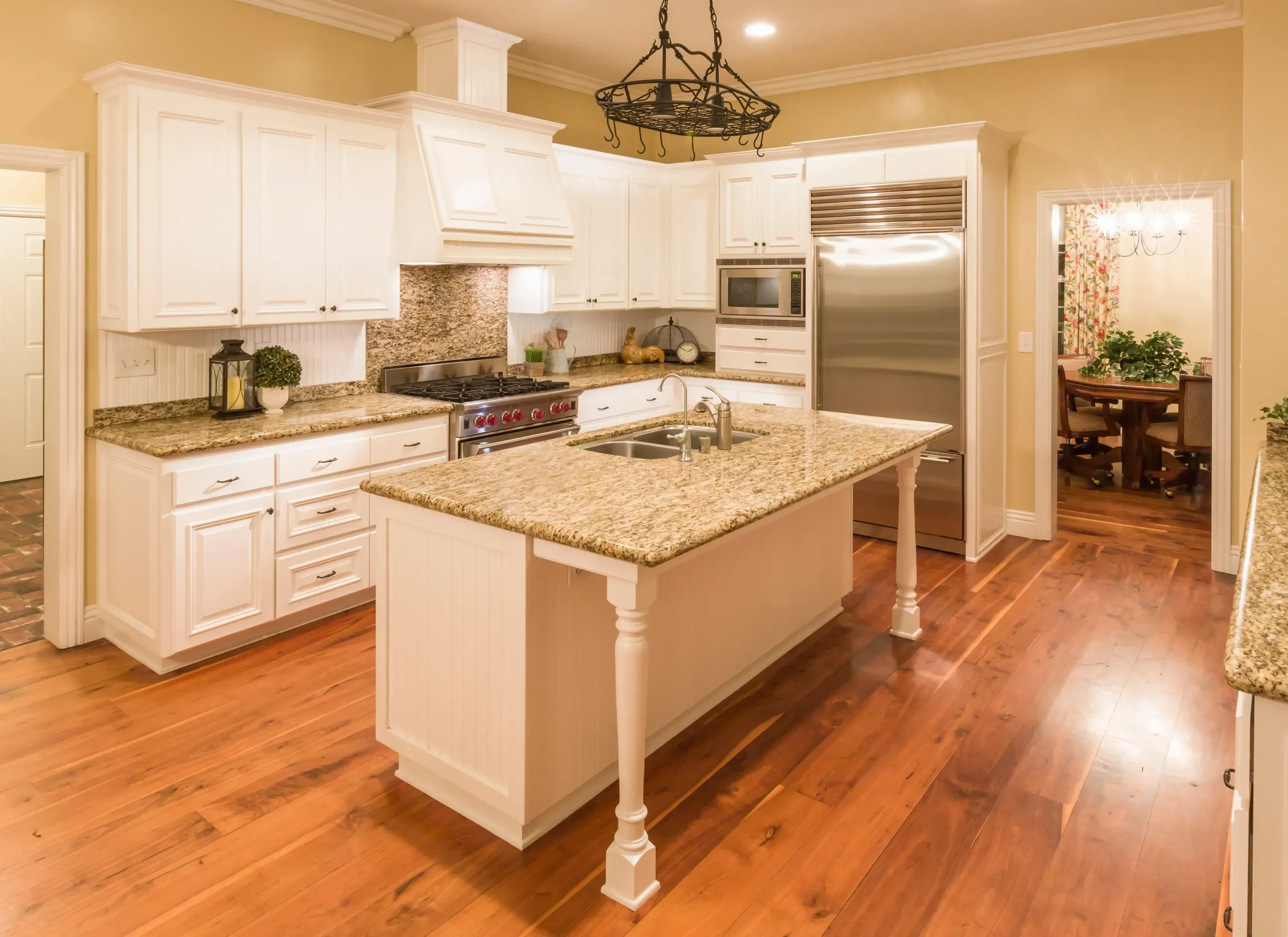
Engineered hardwood is a level up. It’s preferred by those who want to include more natural materials and may like to refinish their existing floor in the future. Ultimately, it offers the beauty and prestige of natural hardwoods with the versatility and durability of LVP.
Why homeowners choose ceramic tile
Marble tile flooring is high-maintenance and scratches relatively easily. It requires regular re-sealing and is quite expensive.
Porcelain tiles are much easier to maintain and aren’t incredibly porous, so they’re quite stain-resistant. The two main concerns are cost and installation. Luxury vinyl tile (LVT) is the most affordable tiling option, but it’s more suited to mildew-prone areas like basements and laundry rooms.
Ceramic tile is much more forgiving budget-wise, with better scalability. Tiling large, open-concept floor plans with ceramic can check every box a homeowner is looking for.
What is engineered hardwood?
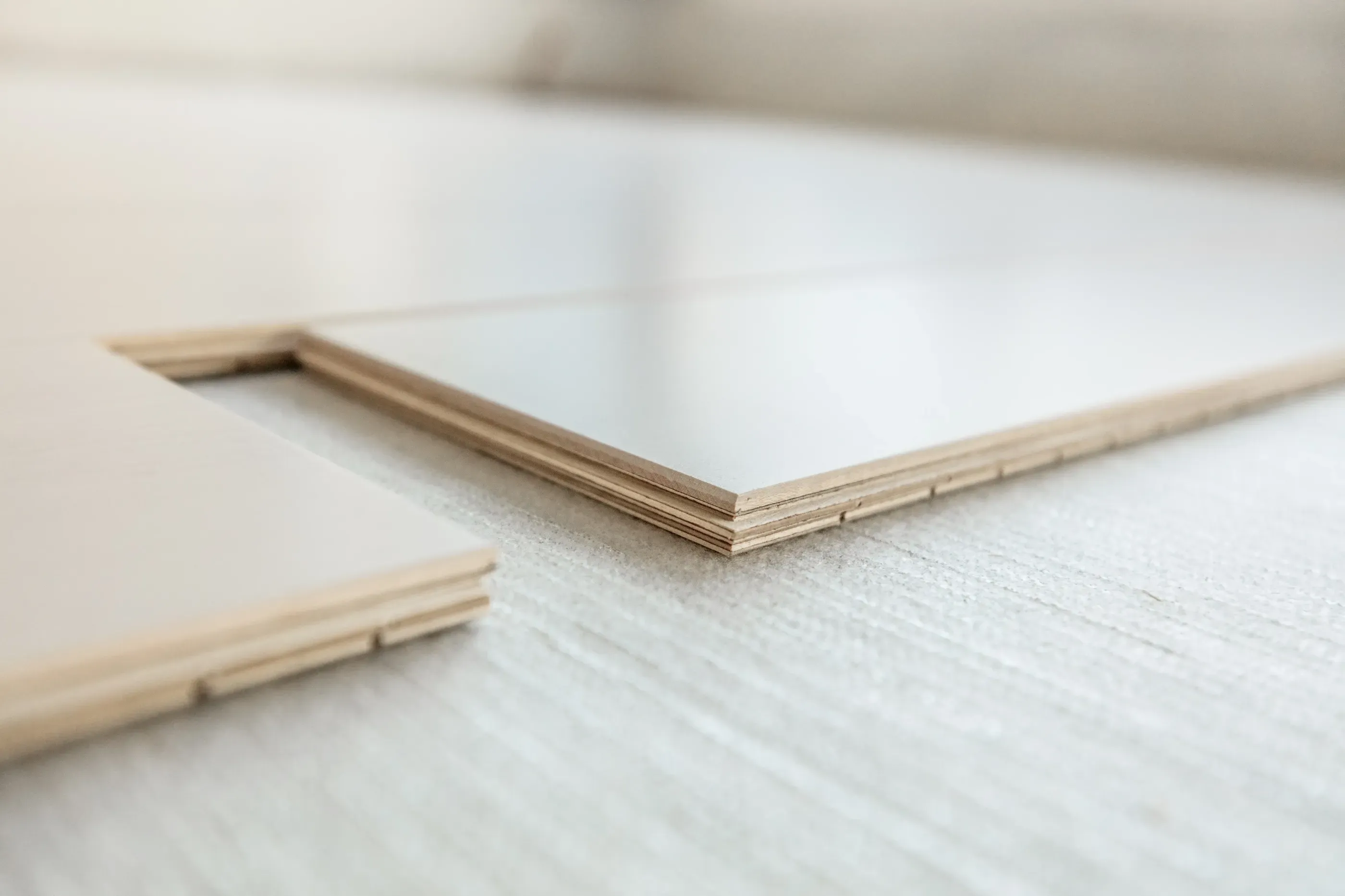
Engineered hardwood flooring is the product of fixing a layer of natural wood on top of fiberboard or plywood. It offers the look and feel of natural wood because of that top layer. Being fixed onto a manufactured wood product underneath can make it more durable and less prone to warping.
It’s also easier to budget, maintain, and install than many solid hardwoods. It can even be installed on top of below-grade concrete subfloors.
What is ceramic tile?
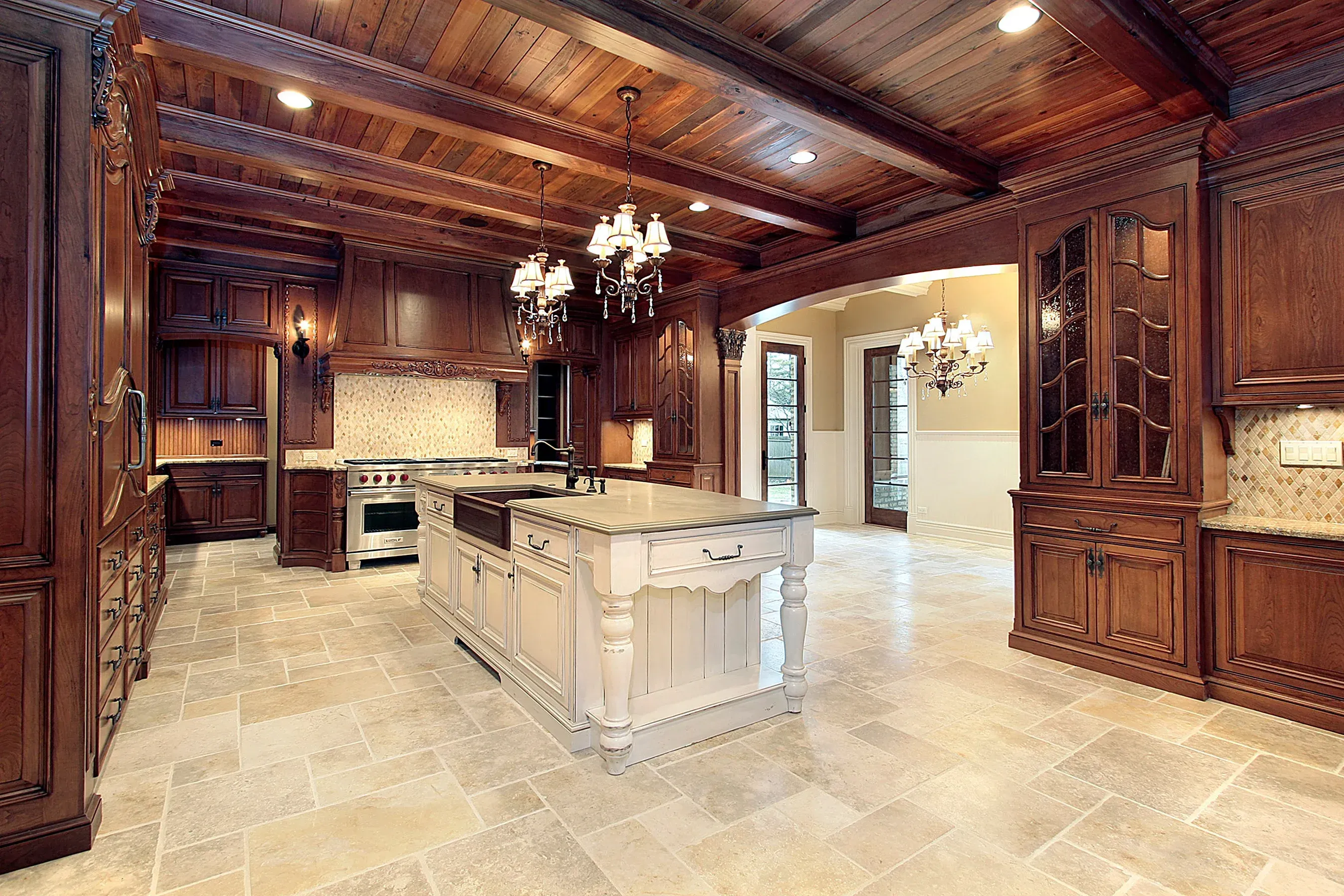
Ceramic tile flooring is made from natural clay, sand, and minerals exposed to high heat and treated with a glaze. The resulting tile is strong, moisture-resistant, and easy to clean. They’re set with a particular amount of space between each for grout. The cement and epoxy further fix each tile in place for an even surface that’s comfortable underfoot.
These tile floors have an incredible range of design options and are considered more sanitary than any of their wood counterparts.
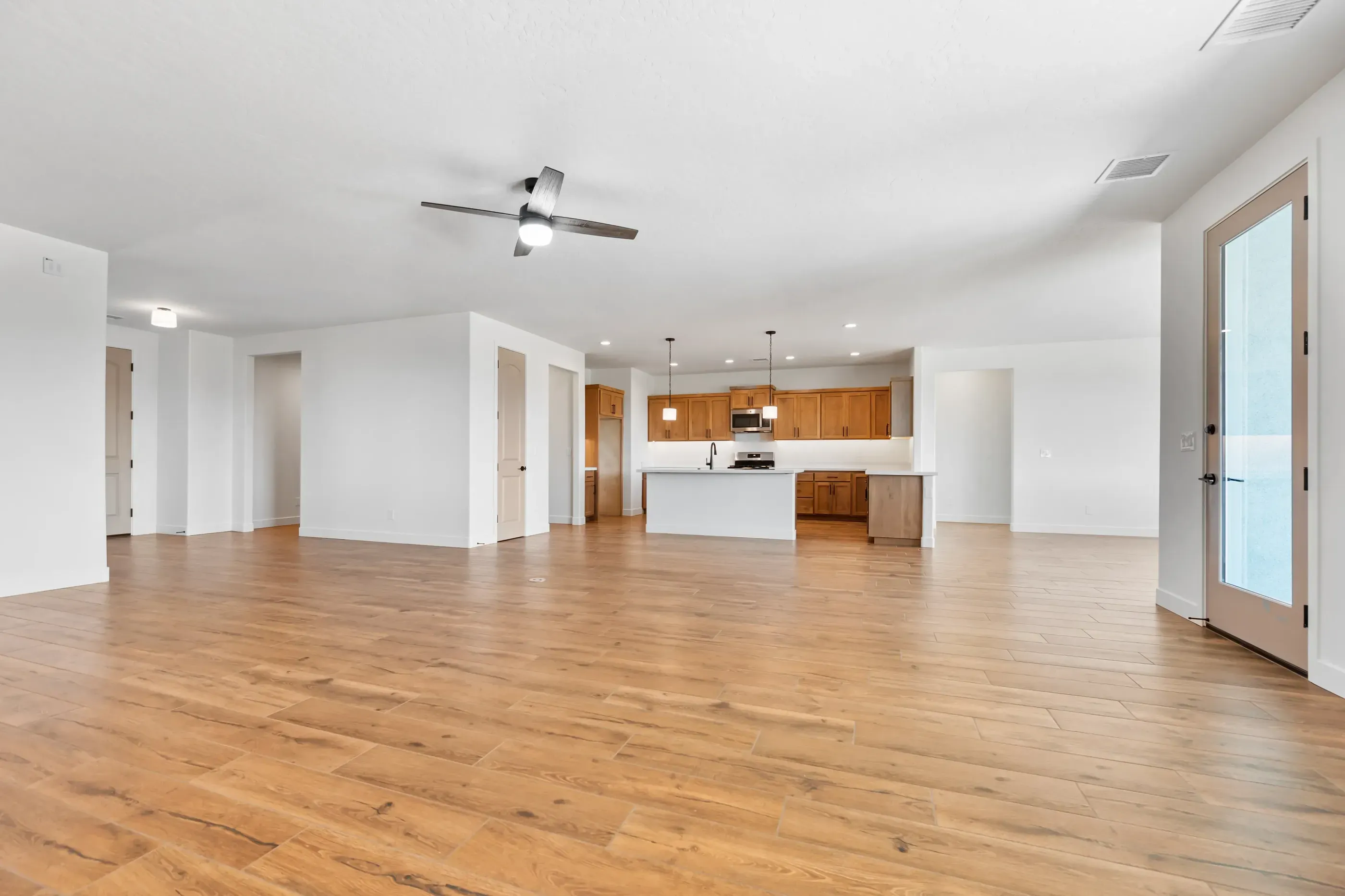
Engineered hardwood vs. solid hardwood
It’s time to unearth the true benefits and considerations of our best flooring options. We’ll start with a side-by-side of engineered vs. solid hardwoods.
|
Engineered hardwood flooring |
Solid hardwood flooring |
|
Great for high-traffic areas |
Best for medium-traffic areas |
|
Can be installed practically anywhere, including bathrooms and basements |
Should not be installed in moisture-prone areas or over concrete subfloors |
|
Can be refinished once or twice in its 20-50 year lifespan |
Can be refinished approximately six times over its 50-100 year lifespan |
|
Beautiful, budget-friendly solid wood alternative that can be installed in larger open-concept floor plans |
Unmatched beauty is a worthy investment for historic homes and upscale living spaces |
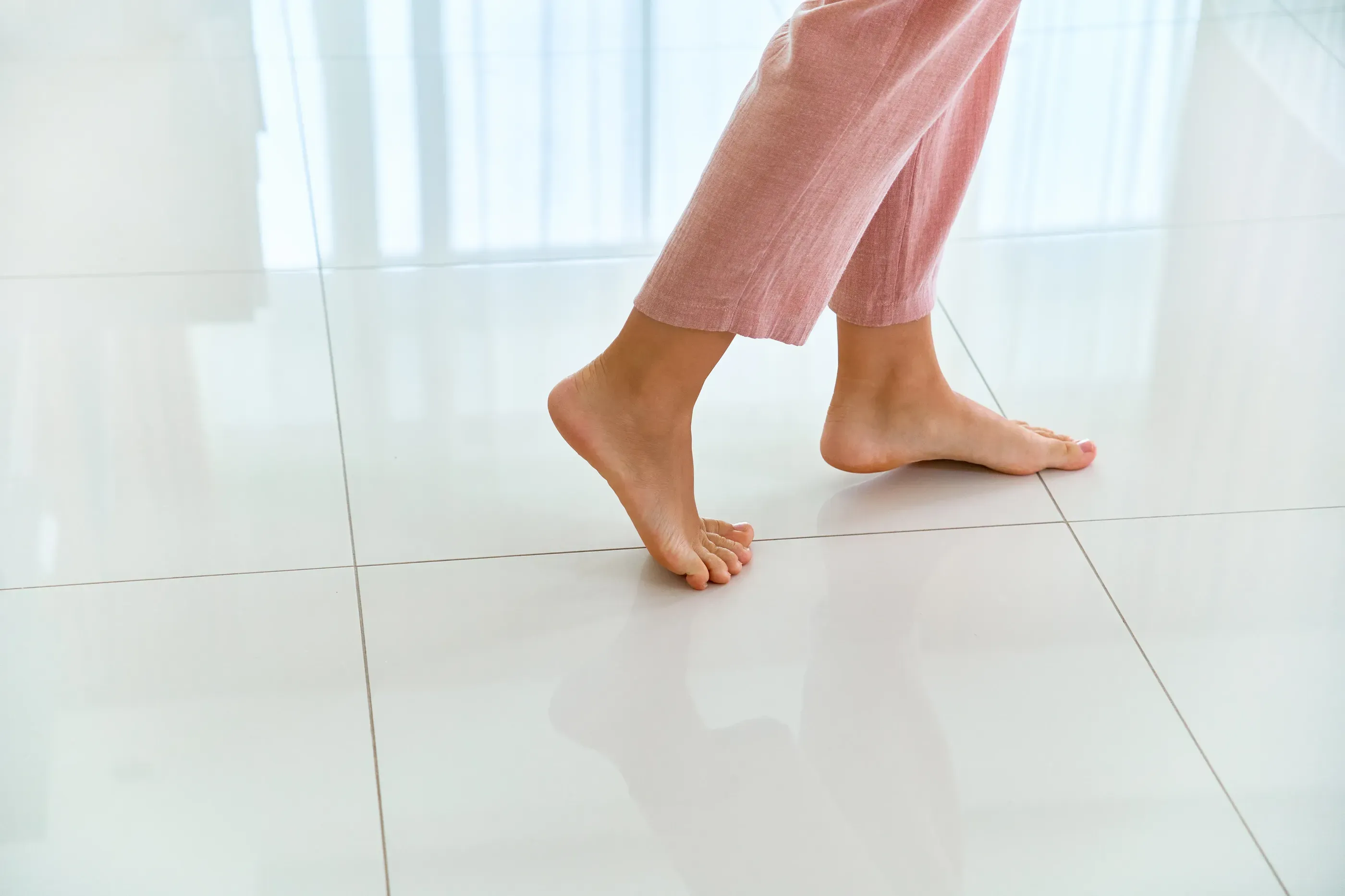
Ceramic tile vs. porcelain tile
For moisture resistance and clean surfaces, you can’t go wrong with tile floors. But all tiles aren't created equal. Here are some key differences between ceramic and porcelain.
|
Ceramic tile flooring |
Porcelain tile flooring |
|
Made from clay, minerals, and sand fired at very high temps |
Same natural materials as ceramic, with a higher percentage of clay |
|
Good moisture resistance with a water absorption rate of 0.5% to 5% |
Denser and less porous, with a water absorption rate of 0.5% or less |
|
Cost, installation, and durability make it suitable for large areas and open floor plans |
Excellent for high traffic areas, but significantly more expensive than ceramic, and also more difficult to install |
|
Huge variety of colors, sizes, and finishes for every design |
Similar expansive design range, but be aware of slicker surfaces |
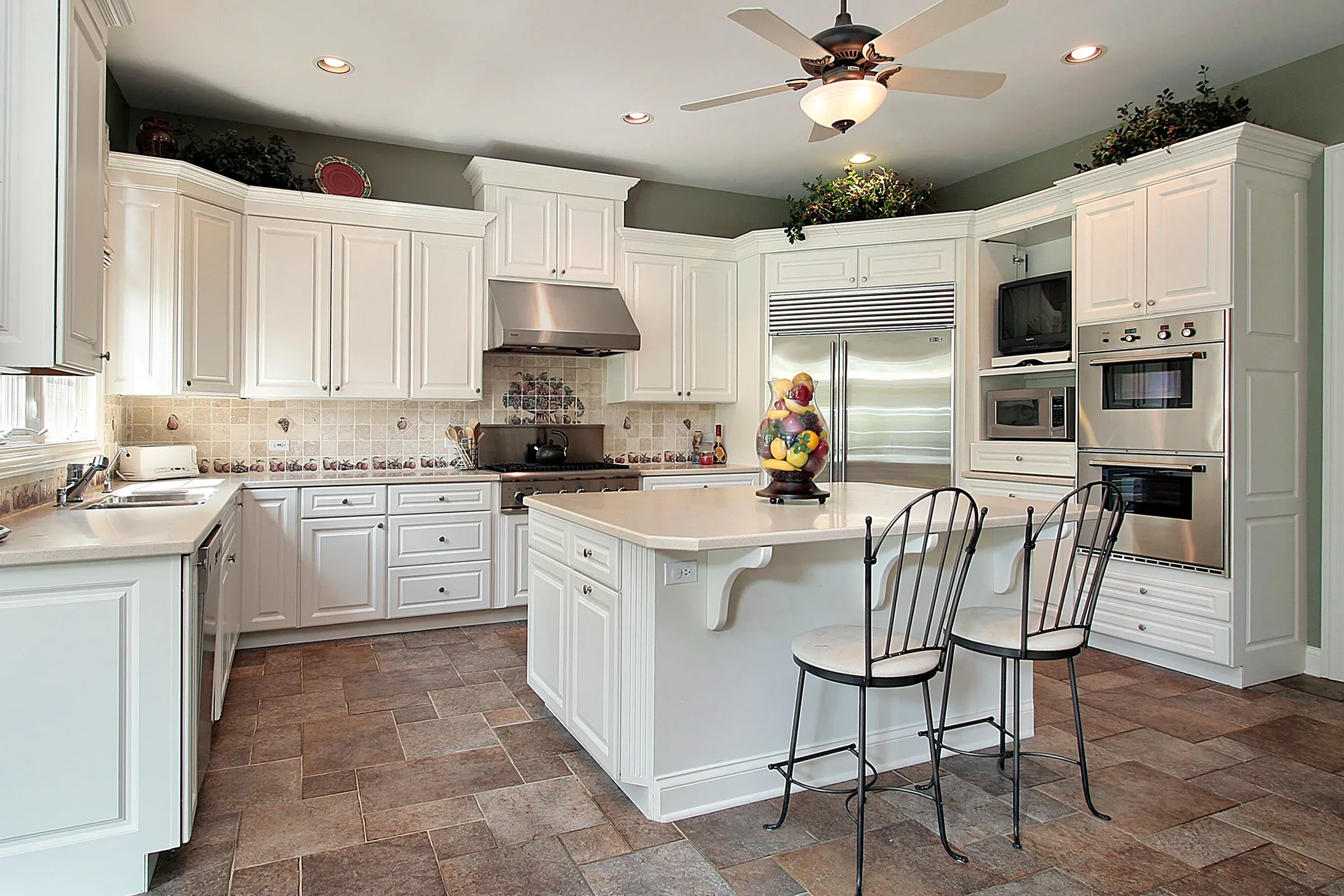
Tile vs. hardwood flooring
Sometimes, choosing between any tile or wood is a challenge. Here’s how they stack up when we look at plain facts.
|
Tile flooring |
Hardwood flooring |
|
Works in almost any room, even high traffic, good with pets and kids |
Best kept to living areas, bedrooms, closets, and some kitchens |
|
Heavy objects can cause cracks or chips |
Moisture exposure can warp or stain, depending on composition |
|
Generally very forgiving with cleaning |
Requires careful maintenance unless choosing engineered |
|
Replacing broken tiles can be challenging due to long-term design availability, but it is possible |
Can be refinished or restored every decade or more |
And the winner is...
The battle between engineered hardwood vs. ceramic tile comes down to the room, its function, and most importantly, the results you want. Both are more cost-effective alternatives that still use natural materials. Each is great for high square footage and offers low maintenance requirements.
See both in person and discuss their qualities with a professional designer. It’s easy at your local Designery showroom. We give you access to an expansive range of the best flooring–tile, vinyl, hardwood, and engineered hardwood.
“Their team of designers are amazing and passionate about finding the best solution for homeowners for their kitchen and bath remodels.”
Amber, The Designery client
Book a free consultation and find the perfect flooring for your kitchen, bathroom, laundry room, basement, and more.