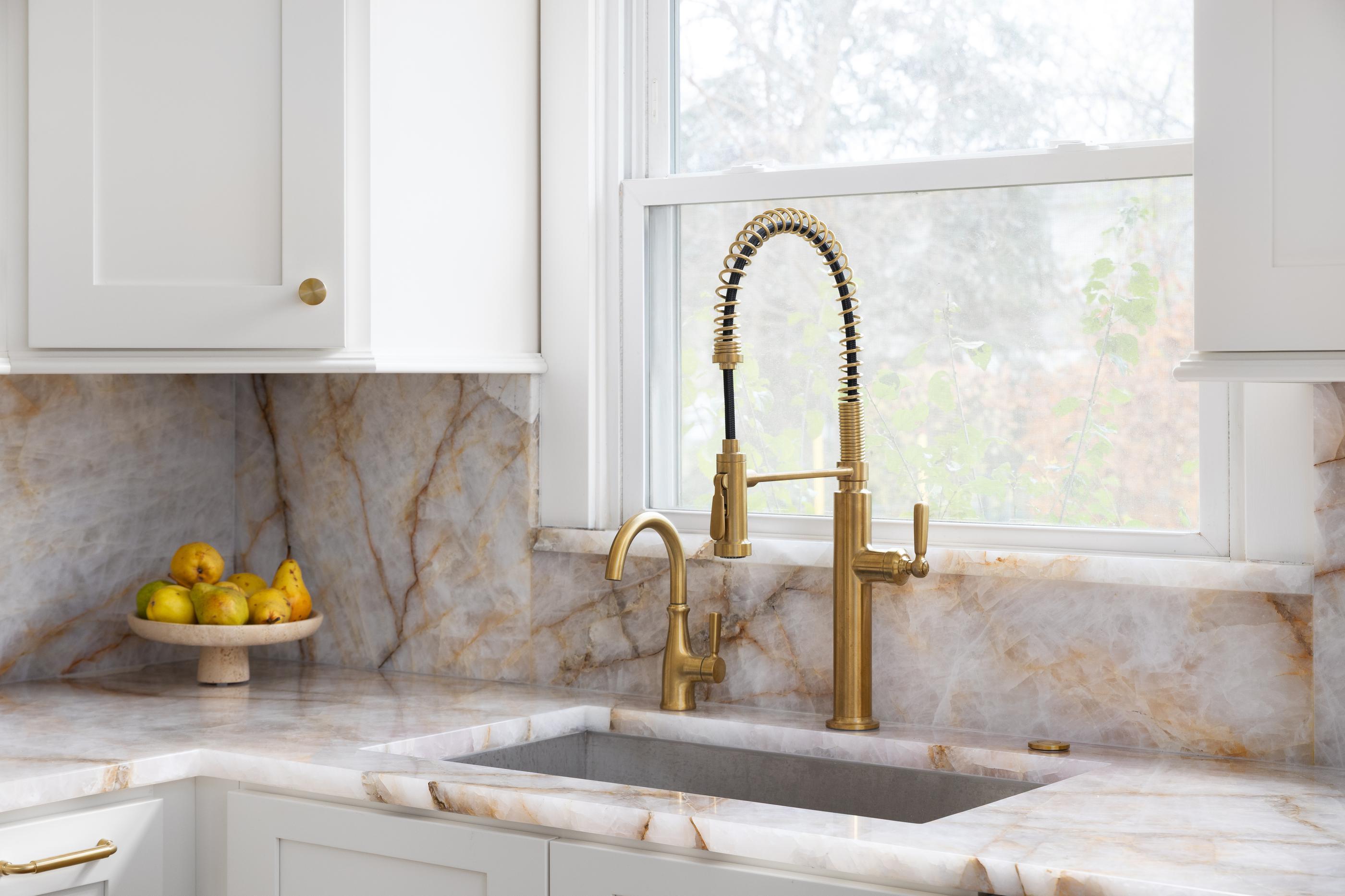
Yes, you do. Sealing natural stone countertops isn’t a suggestion. It should be a firm maintenance practice. Natural stones are porous, so moisture and other materials can seep in and stain them. Some natural stones, specifically marble, are so soft that even sealing won’t prevent a patina from forming.
Continue scrolling for a basic breakdown of when and why you need to seal natural stone countertops.
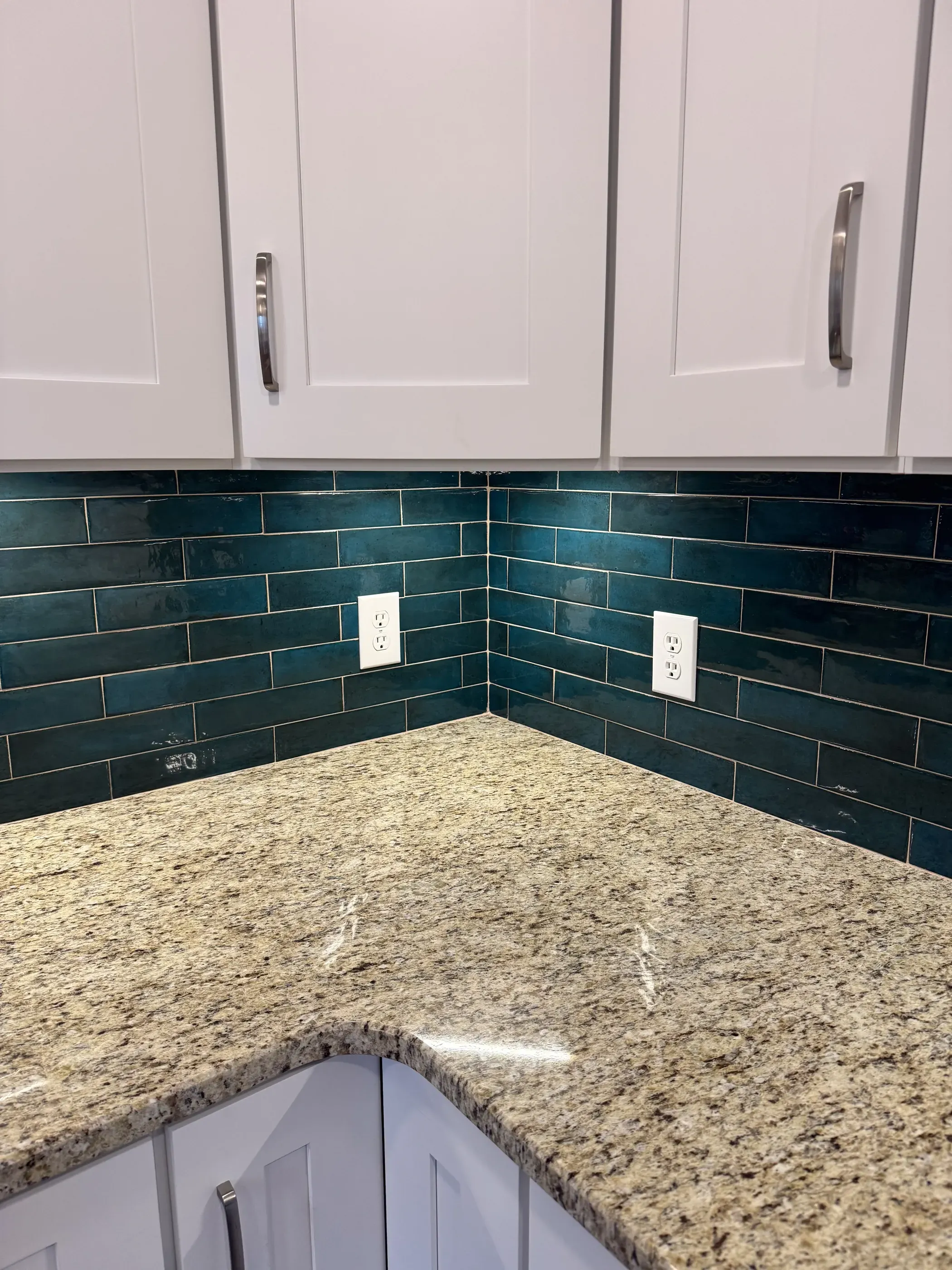
Do you need to seal granite countertops?
Yes, like natural stones such as marble and quartzite, granite countertops need periodic resealing. Liquids and oils penetrate granite, causing not only stains but dull finishes and bacterial growth.
That said, a little resealing is a small price to pay for its massive benefits. Granite is one of the most homeowner-friendly natural stones in terms of durability and heat resistance. Each slab is unique, and there’s a massive range of colors and patterns created bit by bit over millions of years.
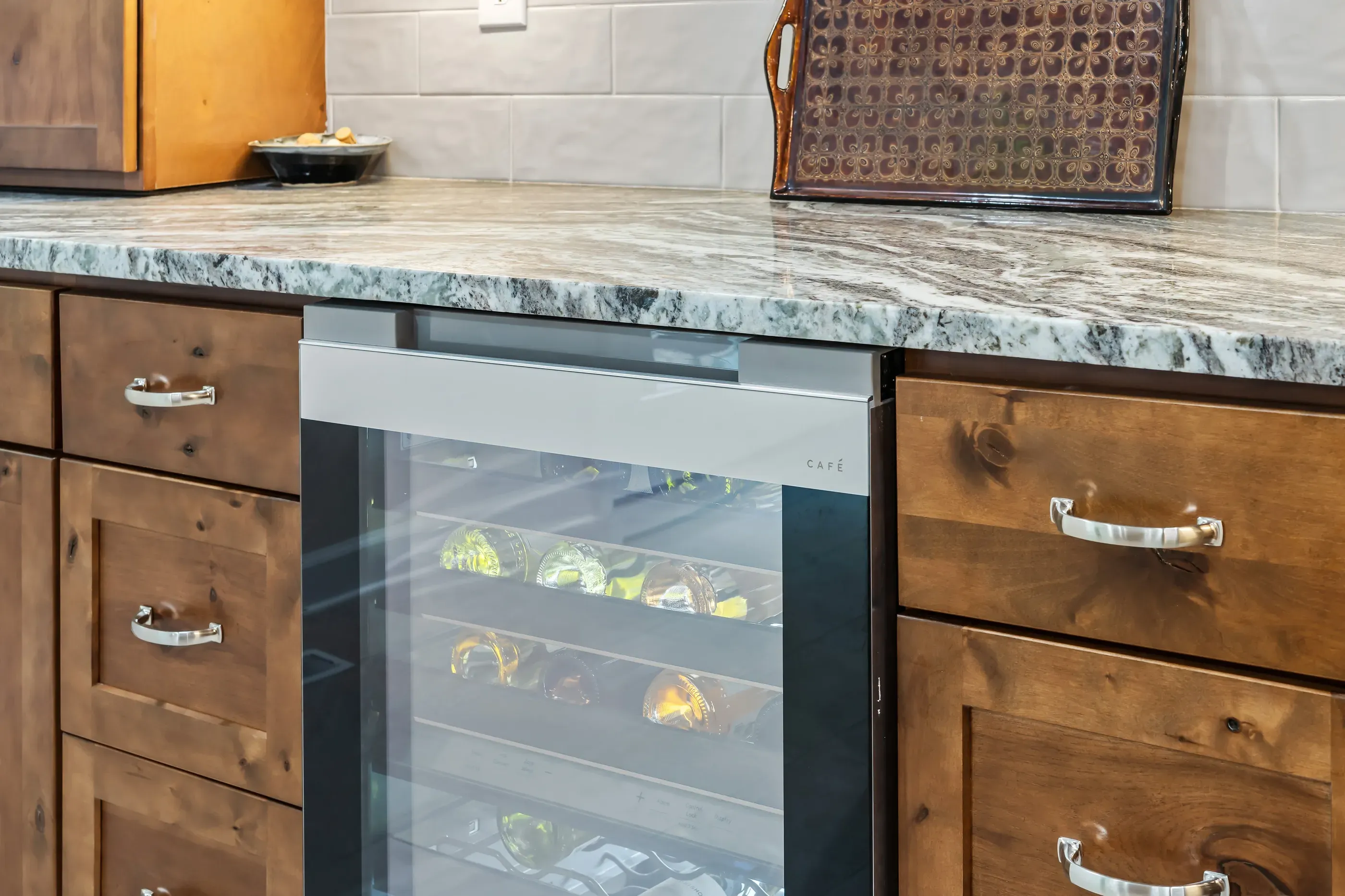
How often should you seal natural stone countertops?
Every six months to five years. Let’s narrow that wide time gap by taking a closer look at the three biggest factors:
-
The type of natural stone. Marble can need sealing every six months to a year. Quartzite, every one to two. Granite can go from two to five years between sealings.
-
The type of sealant. Topical sealers (waxes or plastics) wear off faster and aren’t advisable for matte or honed finishes. Impregnating (penetrating) sealers last longer and are overall more appropriate for home countertops.
-
How hard you use them. Sealants are barriers. Activity wears down the barrier over time. If you cook daily, wipe up a lot of spills, and are always moving objects about the counter, you probably need to reseal more often.
Do quartz countertops need resealing?
No, they don’t. Quartz countertops are a type of engineered stone, not all-natural. Therefore, they’re not porous and are manufactured to be a solid, stain-resistant composite of natural minerals and resins.
If you have a busy kitchen and/or hectic schedule, this is the best countertop material for avoiding maintenance.
How to tell it’s time to seal natural stone countertops
Do the water test. Take a good tablespoon or two of water and carefully pour it onto the busiest section of your counter, so it puddles a little. Leave it be for 15 to 20 minutes. Come back and observe your results.
If the puddle is still there and some water has beaded up, your seal is still good. If the area has gotten a little darker, go ahead and plan to reseal it.
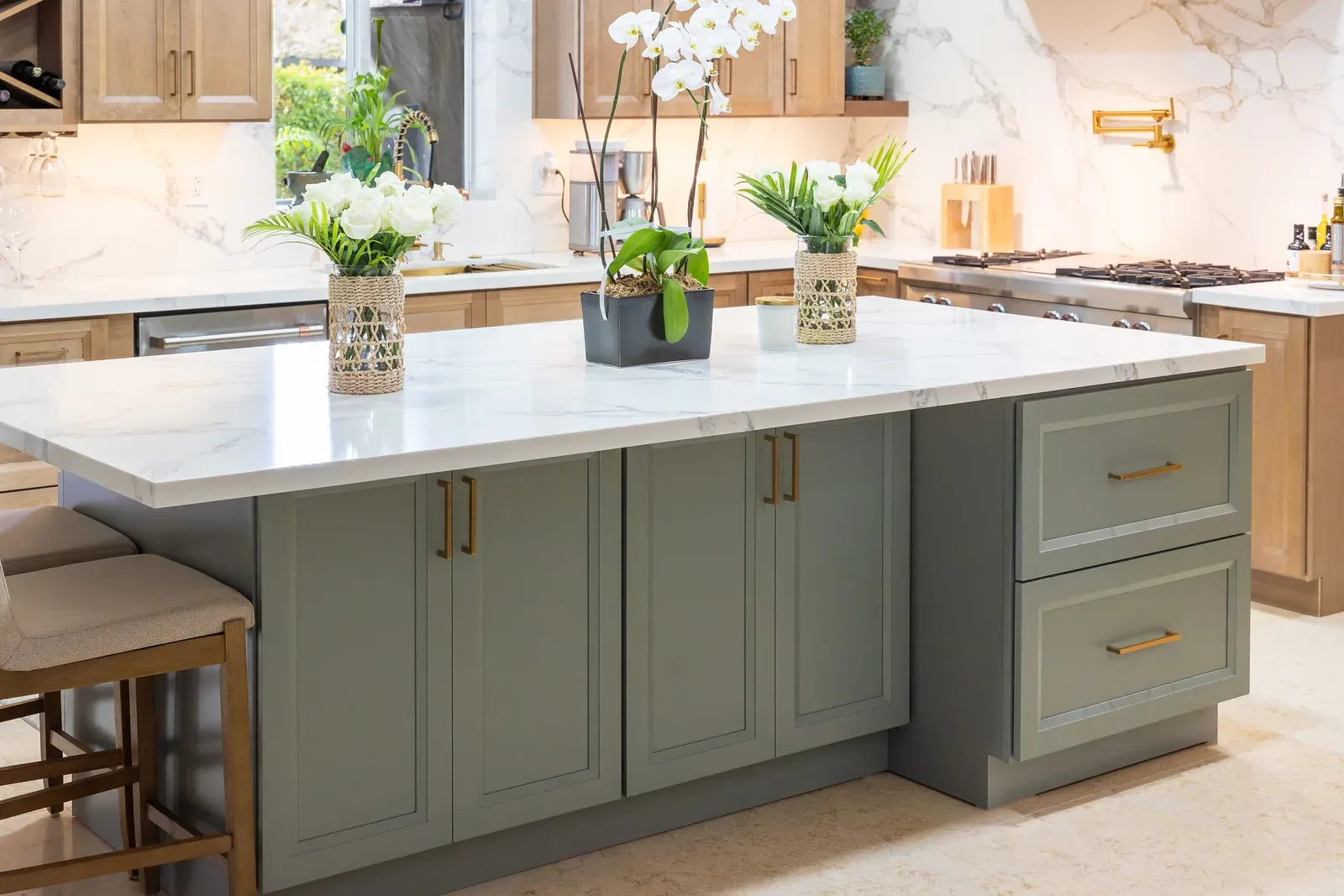
A professional designer can help you choose the best countertop material for your lifestyle and budget.
Once you find the countertop you love, you won’t mind resealing it to extend its beauty. However, if you’re still skeptical about maintaining natural stone, come see us. We have engineered and natural stone options for every design and lifestyle.
“The Designery did excellent work from the beginning of planning my new kitchen to installing cabinets and countertops. They coordinated with the plumber and others to keep our project on track. They have been so easy to work with. Our new kitchen is perfect thanks to them!”
Melinda, The Designery client
Come visit us at your nearest showroom to learn (and see) so much more.
FAQ: Natural stone countertops
What makes natural stone different from quartz?
Natural stone like granite is mined directly from the earth, cut and polished into slabs. Quartz is an engineered composite of fine stone particles and resin.
What liquids are most likely to stain natural stone?
Your usual suspects like wine and coffee are the biggest offenders. However, anything acidic can stain a natural stone that needs sealing. Fruit juice, or even letting a lemon wedge sit, can cause a stain.
Is professional sealing better than DIY?
It depends. Some higher-end pieces of natural stone may be very deserving of an occasional visit from a pro. But generally speaking, many homeowners quickly get the hang of resealing their own granite countertops.
Ask your countertop provider or the designer you’re collaborating with what you should expect in terms of maintenance.
Is sealing the same as polishing?
No, polishing refers to the finish, giving you a glossier, more reflective surface. Even matte natural stone countertops need resealing. Sealing is purely to counteract a stone’s porousness and keep moisture out.