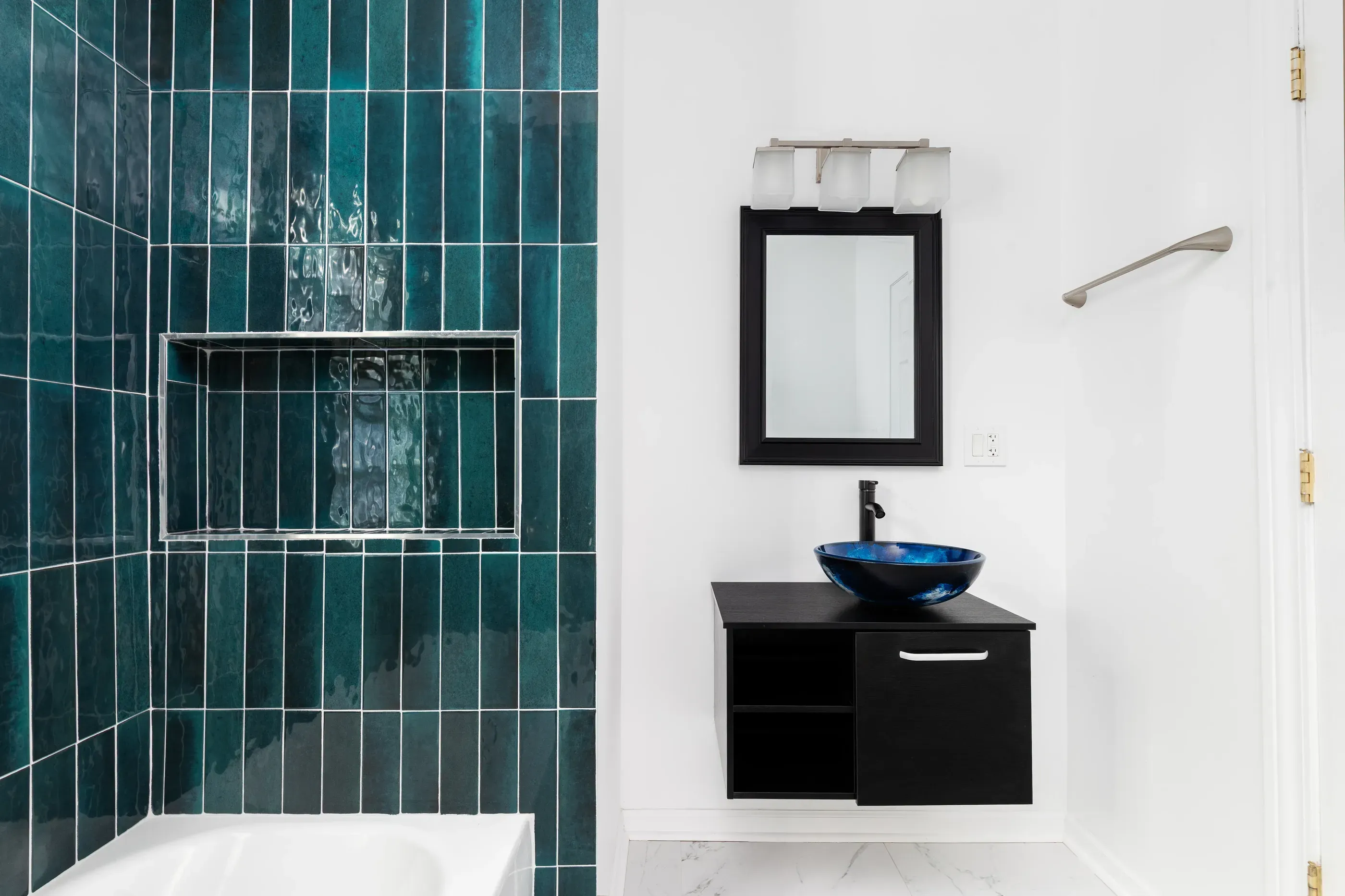
The standard shower niche height is about 48” from the shower floor. However, some designers would recommend 36 inches. Others may even suggest it be 60” from the floor. Ultimately, who showers there and the overall design should influence where you put it and how big it is.
Keep reading as we discuss bathroom shower niche height and placement. If you’re remodeling a bathroom or designing a new construction, you don’t want to miss the chance to add these high-value, high-functioning built-ins.
Key takeaways:
-
Many designers consider 48” to be standard niche height, but that’s not right for every bathroom.
-
User height, bathing habits, and mobility are all important factors in niche height and placement.
-
Long, horizontal niches may be a more efficient solution than multiple niches if you want to store a lot of products.
- Placement prevents water from pooling or knocking products out of niches. Height determines ease of use.
What is the standard shower niche height?
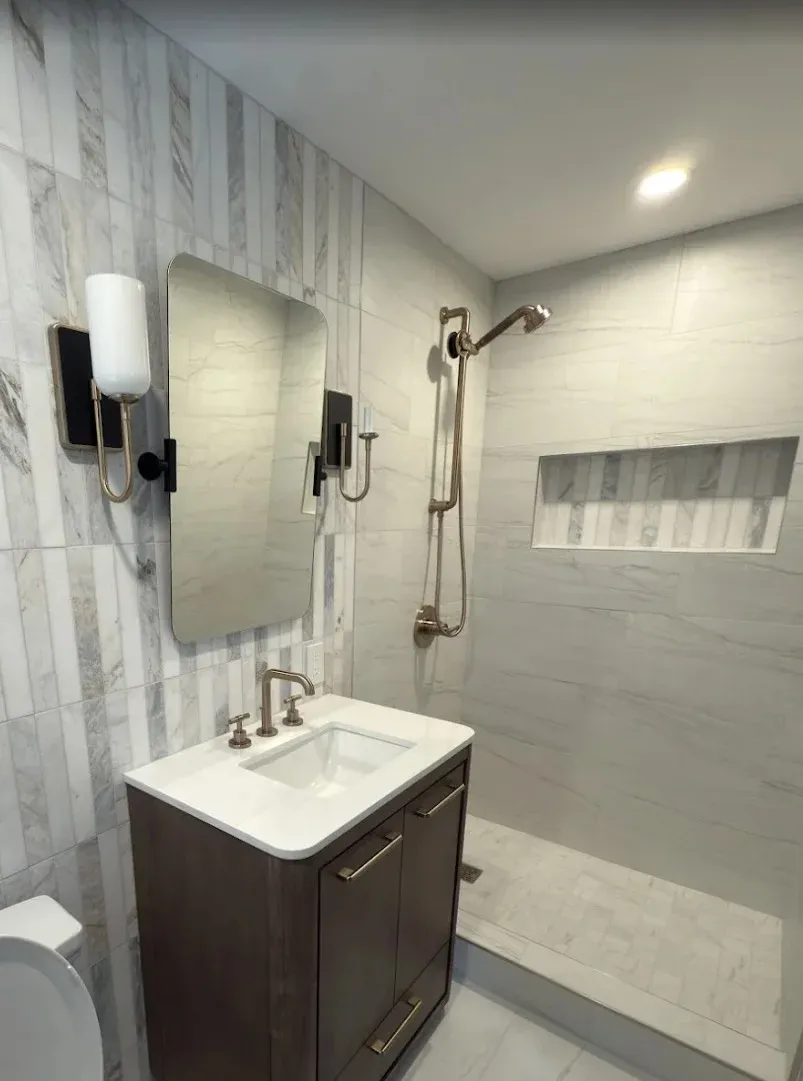
The usual distance of 48” may be a safe choice for walk-in shower niche height, but it isn’t one-size-fits-all.
-
Taking your niche 60” up can be ideal if you want products at eye level or higher while standing. It also keeps them out of the splash zone.
-
Consider placing it 30-36” up if the shower is shared by families. This is a good distance for considering accessibility, too.
-
Go lower if you have a tub-shower combo. A niche placed 25” from the bottom of the tub means it’s easier to reach while sitting.
-
If you shower while seated on a bench or want ADA compliance, 12-18” from the seat of the bench is best.
Choosing shower niche placement based on who uses it
Primary bathroom or guest, shower niche placement should hinge entirely on the primary user. Factor in height first, but habits and abilities matter just as much.
Dominant hand.
One commonly overlooked consideration is the dominant hand. If one is left-handed, the most ergonomic placement may be to the left of the showerhead or center-left on a back wall. Reaching the niche should be a natural, automatic motion, so placement matters just as much as height.
Tons of products.
Double shampoo, plus conditioner, hair masks, and your five favorite soaps (and a scrub or two). A longer, horizontal niche for your shower remodel will accommodate more containers. Therefore, the wall with the plumbing may be out of the question. Add a lip or edge to keep products from slipping off the shelf. If it’s a small shower and you must stay vertical, interior shelves to divide the recessed area are an option.
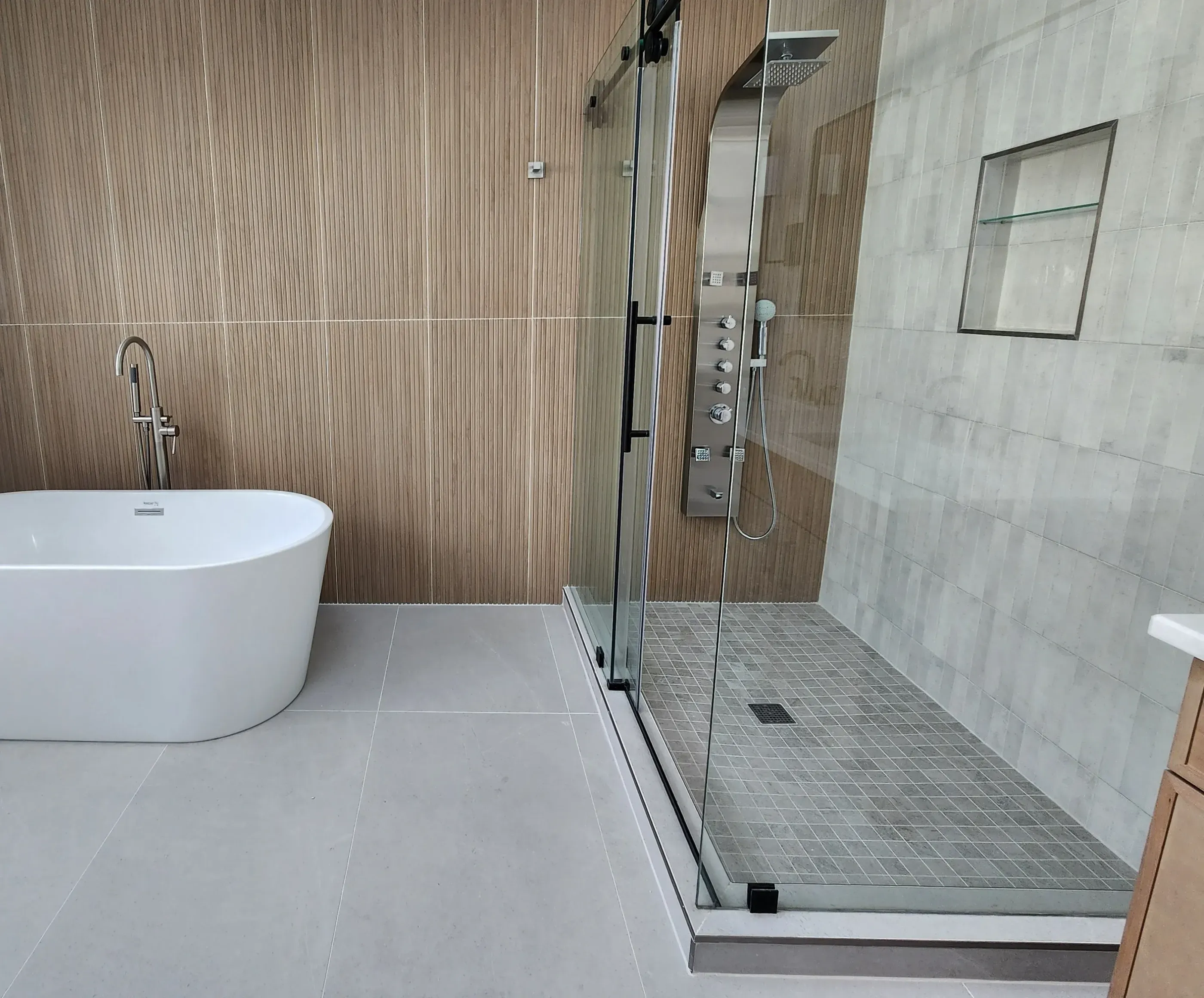
How you bathe.
If the main form of bathing is a standing shower, aim to add a built-in at or around eye level. Bench users will benefit from niches just above elbow height, and tub sitters may have the niche slightly above eye level. A vertical niche with shelving is also a potential winner here for mixed heights and methods.
Water exposure.
If exposing products to the splash zone is a concern, keep placement on the same wall as the showerhead, but off to the side. The next best place is the opposite wall. If you have an especially long side wall, going further back and away from the showerhead can work as well.
Aesthetics and preferences.
If someone looks into your shower head-on, do you want them to see your shampoo? Sightlines and privacy are two design decisions that will change planned placement in a second. The tile layout also determines a lot. First, you want that niche to align with the grout joints on the main shower wall. If the shower tilework inside is meant to match, continuity will be the contractor’s objective.
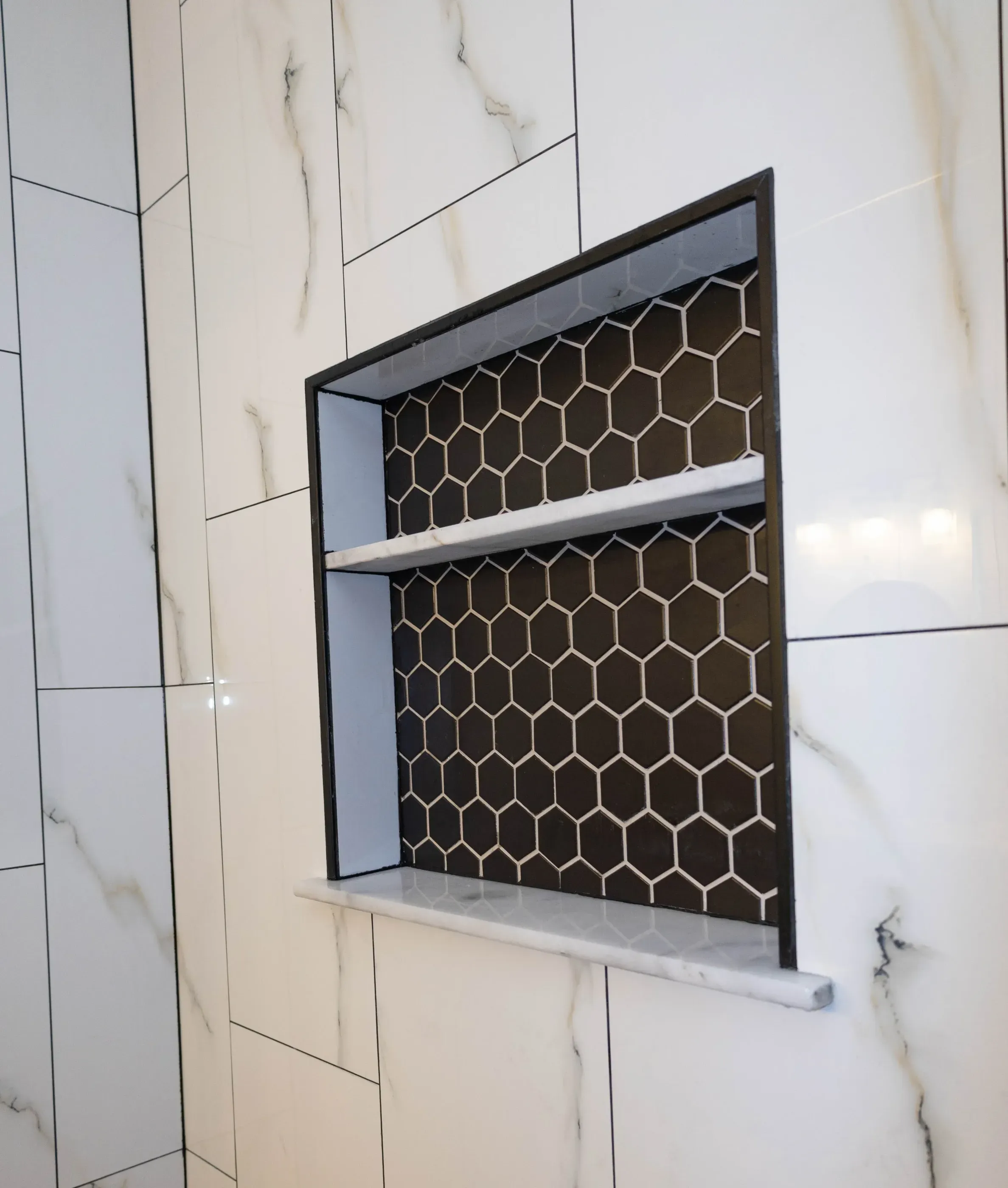
Design discussion: One big niche vs. multiple small niches
A common dilemma homeowners encounter is niche size and whether it makes more sense to add more than one. A designer who sees your unique space will have more accurate insight, but here’s some general guidance.
|
Factor |
One larger niche |
2+ smaller niches |
|
Best for |
Flexible use, shared showers, many products |
Separating zones, detailed custom design |
|
Storage |
More likely to offer the vertical space for taller bottles |
Should be added with products to store in mind |
|
Look |
Cleaner lines, ideal for calm or minimalist showers |
Custom and high-end, depending on the quality of work |
|
Layout |
Easier to avoid letting grout lines split the niche |
Risk of awkward/incongruous cuts, contrast penny tile may help |
|
Cost |
Requires less cutting and waterproofing |
Requires more, increasing the cost of labor |
Designers are more likely to recommend one larger niche. It’s more straightforward to pull off and accommodate changing users and habits.
Plan built-ins for your bathroom remodel with a pro designer.
Shower niches aren’t simply knocked into bathrooms and tiled over. Everything around them matters. The height and placement are just part of the initial discussion.
However, not every cool custom design detail has to be a pain. The Designery helps you plan, visualize, choose finishes, and meet the right craftsperson to pull it off.
“They were extremely helpful in assisting with a thoughtful, complimentary design for the bathroom tile, vanity wood selection, countertop, and bathtub tile. I highly recommend them for design projects!”
Michael, The Designery client
Visit your showroom to get excited about your bathroom remodel.
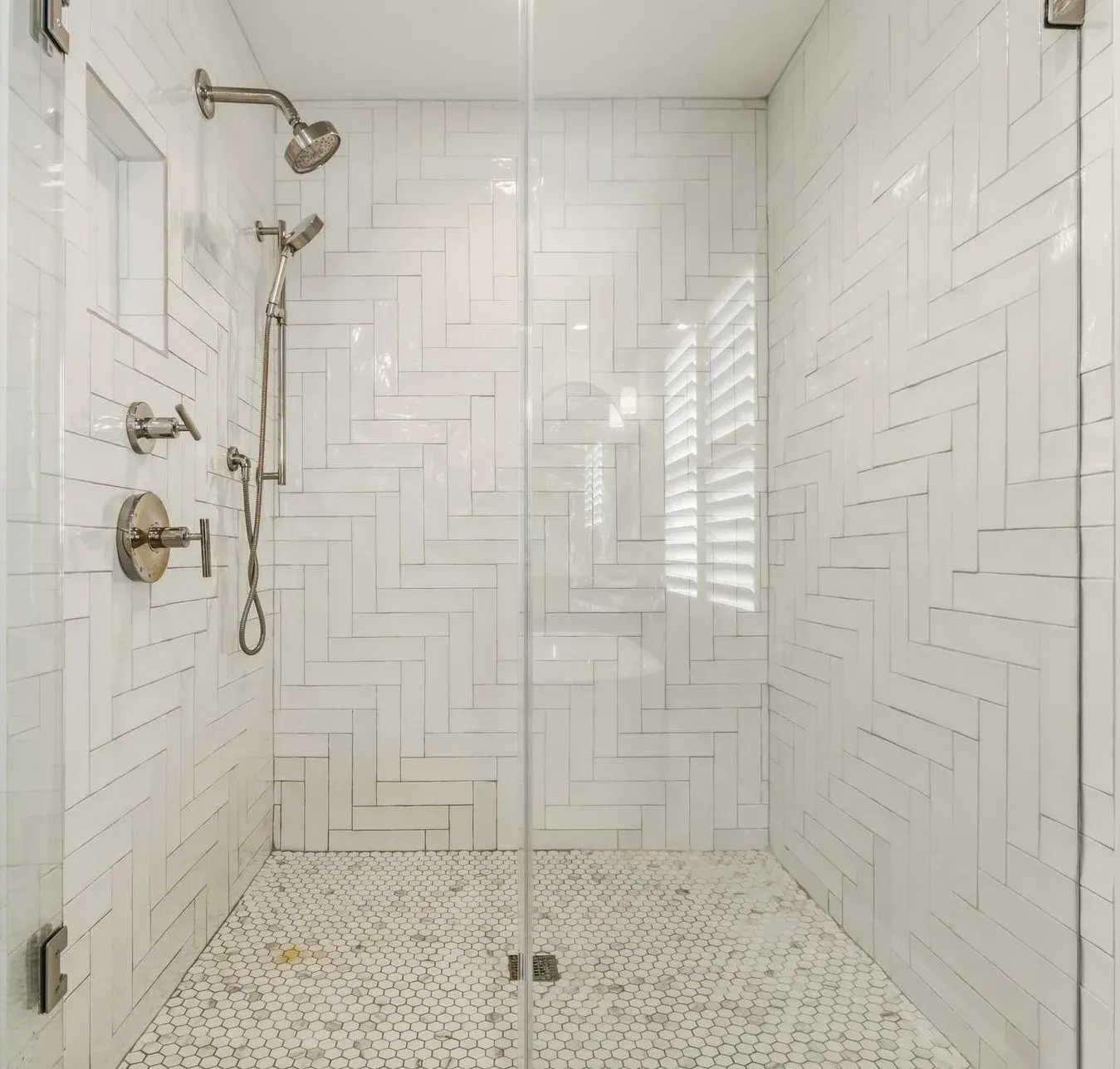
FAQ: Common questions about bathroom shower niche height and placement
How tall should a shower niche be for shampoo bottles?
The standard height for the inside of a shower niche is about 12”, but designers may recommend going 13-14”. Containers with pumps that extend and depress may need more room.
What is the best location for a shower niche?
The far corner of a side wall, the back wall, or off to the side of the showerhead are all popular locations. The height will be 36-60” inches from the shower floor, depending on who uses it and how large the shower is.
Can you add a niche to an existing shower?
Yes, but it’s not an easy or beginner project. Cutting into the wall and penetrating the shower’s waterproofing comes with risks. Professional installation is necessary to prevent leaks, pooling water that causes mildew, and more. If you don’t want to redo your shower but need in-shower storage, corner shelves may be a better option.