
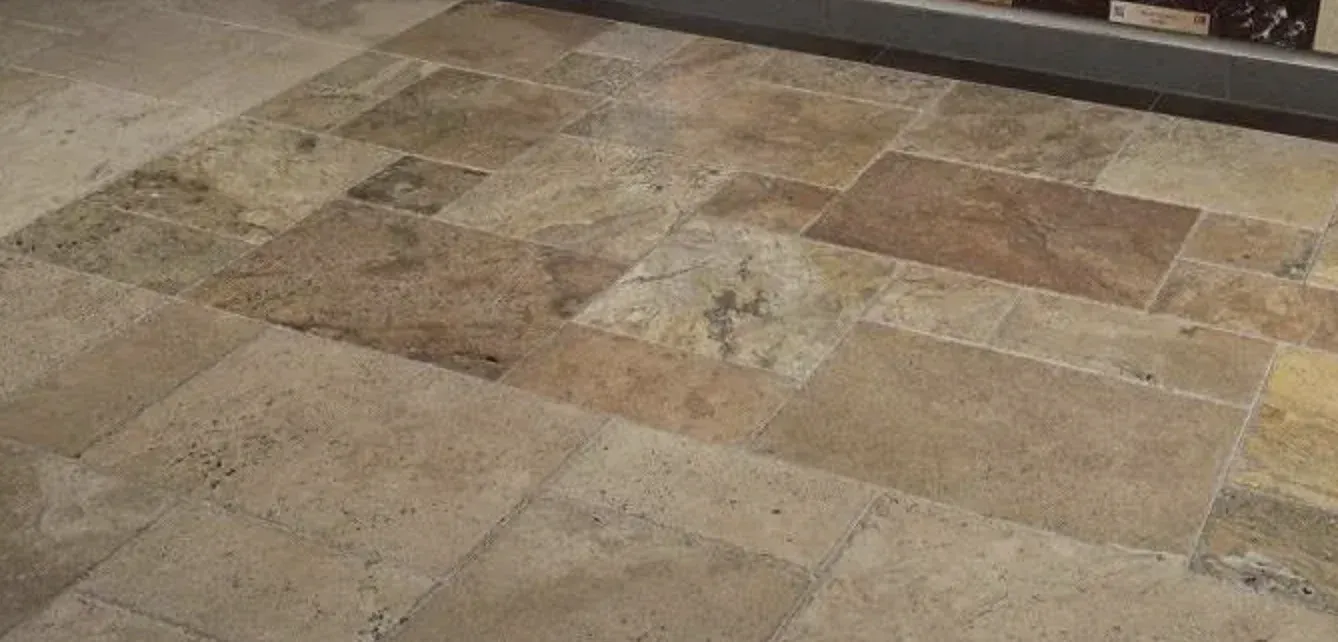
Chicago homeowners know that entryways take a beating. Between snow, slush, salt, and rain, your front hall floor faces more wear than almost any other room in the house. Choosing the right tile matters, and two materials usually top the list: porcelain and ceramic. Both look great and hold up reasonably well, but they are not identical. Understanding the differences will help you pick the right option for your home.
Why Entryway Flooring Needs Special Consideration
Chicago winters bring months of freezing temperatures, road salt, and melting snow tracked in on boots. Summers bring humidity and sudden downpours. This mix of moisture and grit means entryway flooring needs to resist water absorption, scratching, and staining. A material that works fine in a dry, low-traffic bedroom may not hold up the same way by your front door.
Additionally, entryways see constant foot traffic from family members, guests, and pets. The flooring needs to withstand daily wear without showing damage after just a year or two. This is where the differences between porcelain and ceramic tile really come into play.
Porcelain Tile: Built for Durability
Porcelain tile is made from denser clay and fired at higher temperatures than ceramic. This process makes it harder, less porous, and significantly more resistant to water absorption. In fact, porcelain typically absorbs less than 0.5 percent water, which makes it an excellent choice for Chicago entryways where melted snow and rain are unavoidable.
Because of its density, porcelain also resists scratching and chipping better than ceramic. This matters for entryways that deal with salt residue, gravel, and heavy boots throughout the winter months. Porcelain tile also comes in through-body varieties, meaning the color runs through the entire tile rather than just the surface layer. Therefore, minor chips are far less noticeable.
On the downside, porcelain tends to cost more than ceramic, both for materials and installation. It is also harder to cut, which can increase labor time and cost. However, many homeowners find the long-term durability worth the higher upfront investment.
Ceramic Tile: A Budget-Friendly Option
Ceramic tile is made from a coarser clay and fired at lower temperatures. This makes it more porous than porcelain, with water absorption rates often above 3 percent. While ceramic tile is sealed and glazed to improve water resistance, it still is not as tough as porcelain when exposed to constant moisture.
In contrast to porcelain, ceramic tile is easier and less expensive to cut and install. This can make it a more budget-friendly option, especially for larger entryway spaces or homes on a tighter renovation budget. Ceramic also offers a wide range of colors, patterns, and finishes, giving homeowners plenty of design flexibility.
That said, ceramic tile is more prone to chipping and cracking under heavy impact. Since the color typically sits only on the glazed surface, any chip will reveal a different color underneath. For a high-traffic Chicago entryway, this is worth considering carefully.
Which Tile Is Right for Your Chicago Entryway?
If your entryway sees heavy foot traffic, frequent exposure to snow and salt, or you simply want a low-maintenance long-term flooring solution, porcelain is usually the better choice. Its durability and water resistance make it well suited to the demands of Chicago weather.
If you are working with a smaller budget or a lower-traffic entry space, ceramic tile can still be a solid option. It offers strong design versatility at a more accessible price point, and with proper sealing, it can perform well for years.
Ultimately, both materials can create a beautiful, functional entryway when installed correctly. The right choice depends on your household's needs, your budget, and how much wear your entryway realistically sees each season.
Getting Expert Guidance
Choosing the right tile involves more than just picking a material. Grout selection, slip resistance, and proper installation all play a role in how well your entryway holds up over time. Working with a knowledgeable flooring team ensures you get a floor that performs well and looks great for years to come.
If you are planning an entryway renovation, take time to compare samples in person. Seeing how porcelain and ceramic tile look and feel under real lighting conditions can make the decision much easier. A well-chosen entryway floor sets the tone for your entire home, so it is worth taking the time to get it right.