For most primary bathrooms, a walk-in shower is the better choice — it's what today's buyers and homeowners overwhelmingly prefer, it's easier to move through day to day, and it makes even a modest-sized bathroom feel larger and more open. A bathtub still earns its place in at least one bathroom in the house, especially if you have young kids or want to keep the home appealing to the widest range of future buyers. The right call ultimately comes down to how many full bathrooms you have and how your household actually uses the space.
At The Designery Longmont, this is one of the most common questions we walk homeowners through during a design consultation — and it's rarely a simple yes-or-no. Here's how to think it through.
What's Actually Driving the Shift Toward Walk-In Showers?
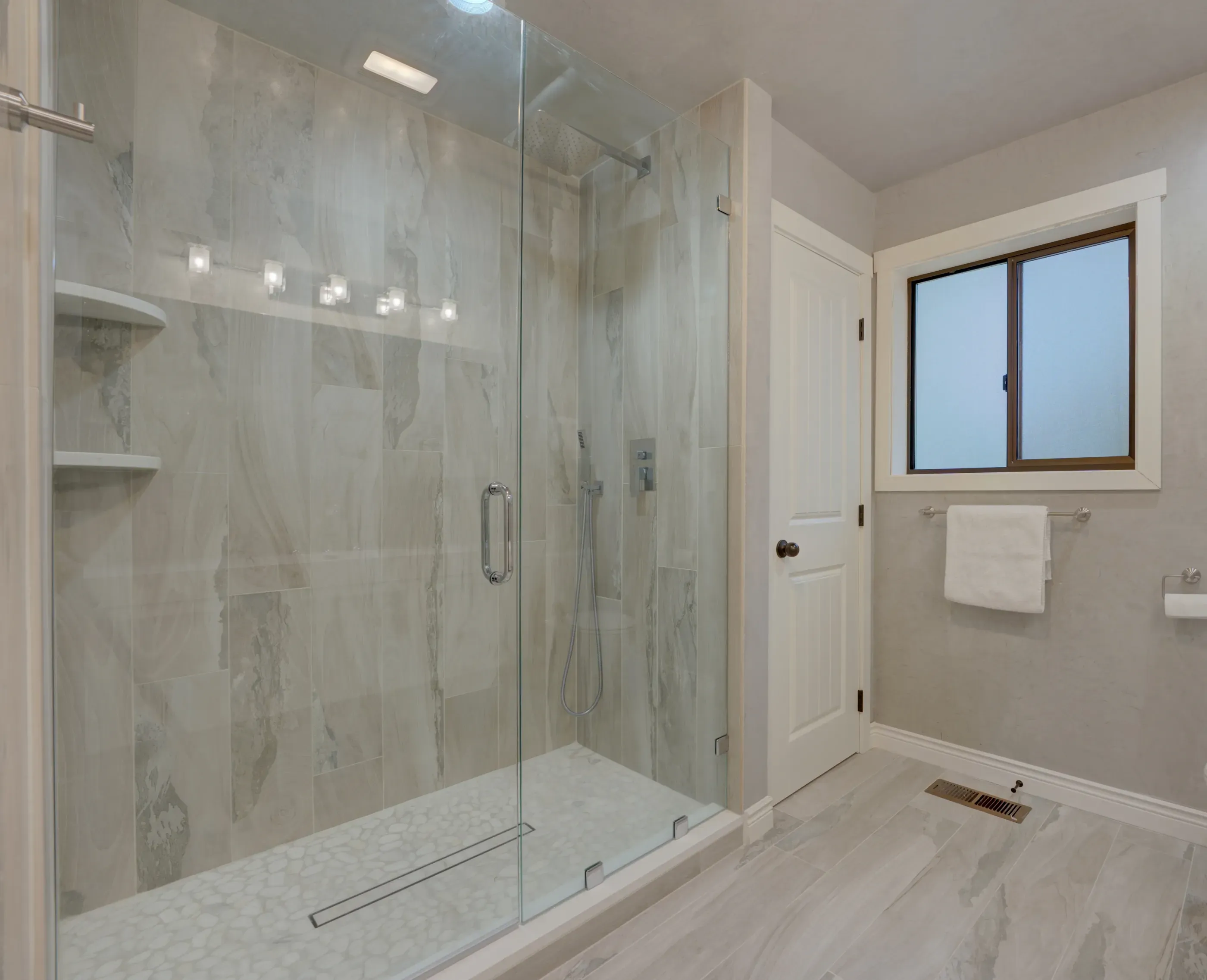
Bathroom design has moved decisively toward the open, curbless shower over the past few years, and 2026 trend data backs that up in a big way — this shift shows up in nearly every primary bathroom remodel we design. Real estate professionals report that a spacious walk-in shower has become one of the top features buyers actively look for, with close to 60% of homebuyers saying a walk-in shower is a must-have in at least one bathroom. The appeal isn't just aesthetic — a sill-less entry with a properly graded floor is simply easier to step into and out of, day after day, than climbing over a tub wall.
The National Kitchen and Bath Association's most recent trend research points the same direction, with large-format showers featuring built-in seating, recessed niches, and multiple shower heads increasingly replacing standard tub-shower combos, particularly in primary suites.
Why Do Homeowners Prefer a Walk-In Shower for Everyday Use?
Beyond the resale numbers, walk-in showers tend to win out for a few practical reasons:
● Easier daily accessibility. No curb to step over, and it's simple to build in a bench, grab bars, or a curbless entry that supports aging in place — without the space feeling clinical or institutional.
● A more open, spacious feel. A glass-enclosed or fully open shower reads as larger than an enclosed tub-shower combo, which matters most in bathrooms that aren't oversized to begin with.
● Less to maintain. No tub basin to scrub, and today's large-format tile means fewer grout lines to keep clean over time.
● More room for design. A larger shower footprint opens up choices most tubs can't offer — tile pattern and color, a built-in bench, a recessed niche for products, and even a rain shower head paired with a handheld.
Is There Still a Good Case for Keeping a Bathtub?
Yes — and it's worth taking seriously, especially if this is the only full bathroom in your home. If it's the sole tub in the house, removing it can actually work against you at resale, since a meaningful share of buyers, particularly those with young children, specifically look for at least one bathtub. Real estate agents generally recommend keeping a tub in at least one secondary bathroom even when the primary bathroom is converted to a walk-in shower.
A bathtub also isn't purely a functional fallback — a deep soaking tub, especially paired with a separate walk-in shower rather than a combo unit, can be a genuine luxury feature in a primary suite, giving the room a spa-like quality a shower alone can't fully replicate.
Does a Tub to Shower Conversion Actually Hurt Resale Value?
A tub to shower conversion is one of the most requested upgrades we see, but the walk-in shower resale value question depends heavily on how many bathrooms — and bathtubs — the rest of the home has. If you have two or more full bathrooms, converting one to a walk-in shower while keeping a tub elsewhere in the house tends to satisfy both current-day buyer preference and the "at least one tub" expectation many buyers still hold. If this is your only full bathroom, it's worth thinking twice before removing the only tub in the house, since that can meaningfully narrow your buyer pool down the road.
How Should You Decide for Your Own Home?
A simple way to think about it:
● If you have two or more full bathrooms: convert your primary bathroom to a walk-in shower, and keep a tub in a secondary or guest bathroom. This is the most common approach among Front Range homeowners right now, and it balances daily-use preference with resale flexibility.
● If you have only one full bathroom: think carefully before removing your only tub, particularly if you have young children or expect to sell within the next several years.
● If you're designing a primary suite from scratch: consider a separate soaking tub and walk-in shower if the square footage allows it — this is increasingly the high-end standard, and it lets you get both the daily practicality of a shower and the luxury of a proper soak.
What's the Best Way to Make This Decision With Confidence?
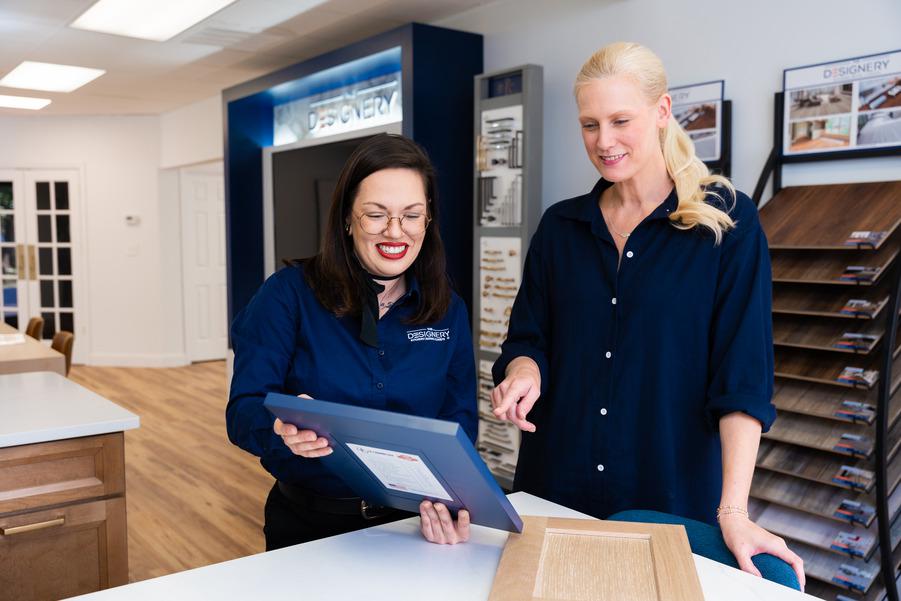
Photos and inspiration boards can only tell you so much. The real deciding factor is almost always how a walk-in shower or tub actually fits your bathroom's specific layout, lighting, and traffic flow — and that's hard to judge from a screen. At The Designery Longmont, our design team walks you through both options using real tile, glass, and fixture samples in our Longmont showroom, so you can see and touch the materials before making a decision that will shape your bathroom for years to come. A high-end look doesn't have to mean a limitless budget — our job is to help you get there thoughtfully, at a scope that fits your space and your plans.