Living along Colorado’s Front Range offers spectacular mountain views, incredible outdoor recreation, and a lifestyle centered on enjoying nature. An outdoor kitchen extends this lifestyle to your own backyard, creating an entertainment space that captures everything special about our region. However, designing a functional outdoor kitchen at altitude requires understanding the unique challenges our elevation, climate, and weather patterns present.
At The Designery Longmont, we specialize in outdoor kitchens engineered for Front Range conditions. Here’s how altitude and climate influence design decisions that create truly functional outdoor entertaining spaces.
How Altitude Affects Outdoor Cooking
At 5,000 to 6,000 feet elevation, the Front Range sits significantly above sea level. This altitude changes how cooking equipment performs. Gas grills produce slightly less heat because lower air pressure reduces oxygen availability. Water boils at 203 degrees instead of 212 degrees, affecting cooking times for anything involving liquid.
These differences matter less for grilling steaks but significantly impact baking and simmering. If your outdoor kitchen includes a pizza oven or smoker, expect longer cooking times than recipes suggest. Professional-grade equipment with higher BTU ratings compensates for altitude effects, ensuring consistent results.
Food also dehydrates faster at altitude due to lower humidity and increased evaporation. Outdoor refrigeration becomes essential for keeping ingredients fresh during extended cooking sessions. Covered serving areas protect prepared food from drying out while guests gather.
UV Exposure and Material Selection
Colorado receives approximately 300 days of sunshine annually. Combined with our altitude, UV radiation intensity exceeds most other regions by 25 percent or more. This intense solar exposure destroys materials not specifically designed for outdoor use.
Standard kitchen cabinets fade within months when exposed to Front Range sunlight. Countertops without UV-resistant sealants discolor and degrade. Even stainless steel appliances can show heat damage if not properly rated for outdoor use.
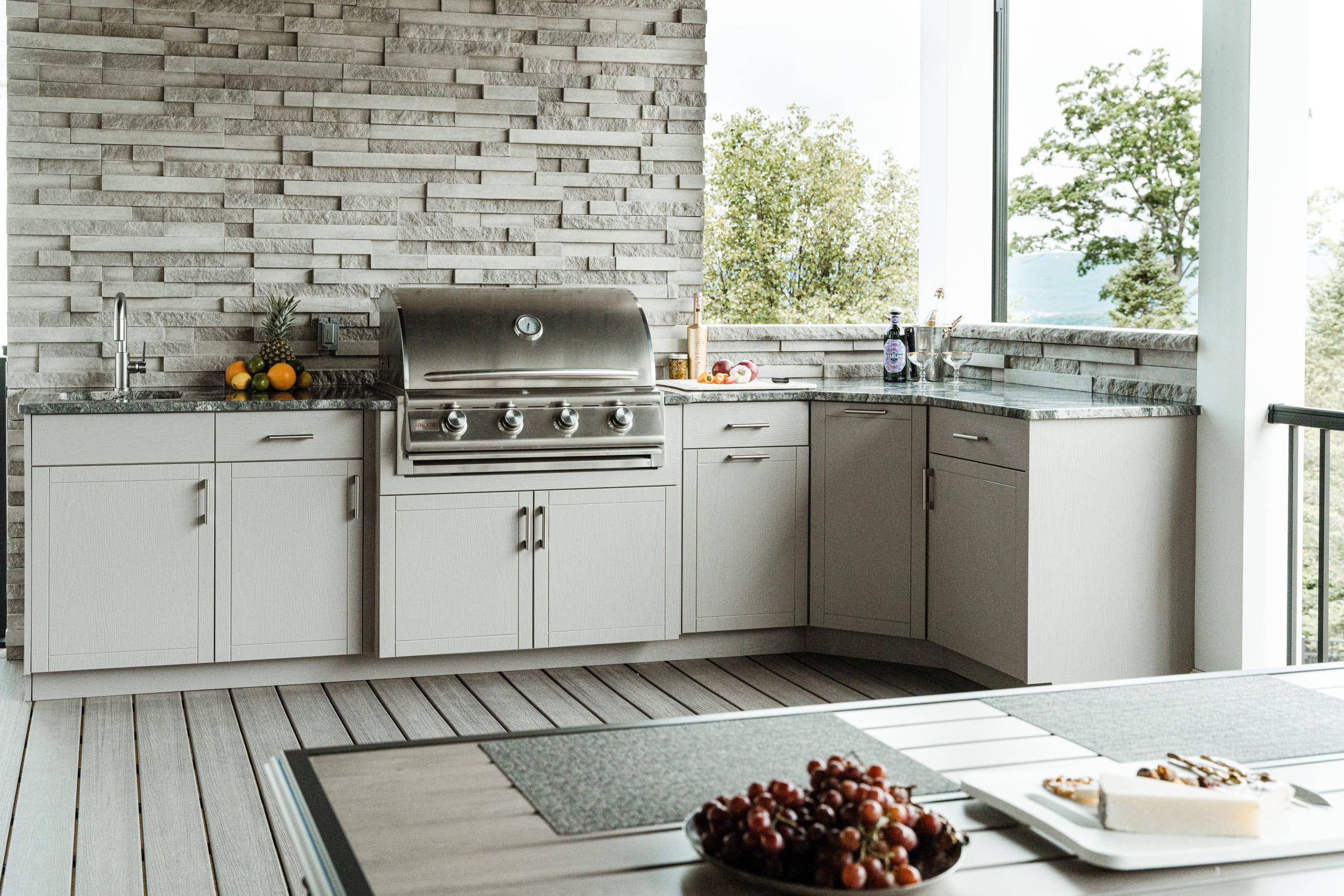
We exclusively specify UV-stabilized materials proven to withstand decades of Colorado sun. High-density polymer cabinetry features colorfast pigments that don’t fade. Countertop sealants formulated for high-UV environments protect stone surfaces. These material choices add upfront cost but eliminate the need for premature replacement.
Temperature Extremes and Seasonal Use
Front Range weather swings dramatically. Summer afternoons reach the 90s while nights can drop to the 50s. Winter days might hit 60 degrees before plummeting below zero overnight. These 50 to 70-degree daily temperature swings stress every component in your outdoor kitchen.
Materials expand and contract constantly. Inferior construction develops gaps where water infiltrates, leading to freeze damage. Quality outdoor cabinetry maintains tight tolerances through these temperature cycles. Stainless steel hardware operates smoothly year-round. Properly sealed countertop joints prevent moisture intrusion.
Many Front Range homeowners use outdoor kitchens year-round. Colorado’s frequent winter sunshine creates comfortable outdoor cooking opportunities even in January. Design for four-season use by including wind protection, overhead coverage, and possibly radiant heaters. These features extend usability beyond summer months.
Wind Considerations
The Front Range experiences significant wind events. Chinook winds can gust to 60 mph or more. Afternoon breezes regularly reach 20 to 30 mph during summer. Wind affects outdoor cooking comfort and equipment performance.
Strategic placement and windbreaks make outdoor kitchens functional even on breezy days. Position your cooking area perpendicular to prevailing winds when possible. Low walls, planters, or decorative screens create wind protection without blocking views. Some homeowners incorporate partial roof structures that shelter cooking areas while maintaining the open-air feel.
Grill performance suffers in wind. Flames blow unevenly, creating hot and cold spots. High-wind events can extinguish pilot lights or make lighting difficult. Quality grills feature wind-resistant designs with sealed fireboxes and protected burners. Proper siting and wind protection ensure consistent cooking results.
Water Damage Prevention
While the Front Range stays relatively dry, we experience intense summer thunderstorms and winter snow accumulation. Outdoor kitchens must shed water effectively to prevent damage.
Proper drainage starts with site grading. Your outdoor kitchen should sit on a slight slope that directs water away from cabinets and appliances. Countertops need adequate overhang to keep water off cabinet faces. Sealed joints prevent moisture from penetrating cabinet interiors.
Appliances require weatherproof covers when not in use. Even outdoor-rated units benefit from protection during extended periods of non-use. Covers prevent snow and ice accumulation that can damage control panels and burners. Many homeowners install retractable awnings or permanent roof structures for comprehensive weather protection.
Embracing the Front Range Lifestyle
Outdoor kitchens in our region connect you with the natural beauty surrounding us. Watching sunset over the Rockies while grilling dinner becomes a daily ritual. Hosting summer gatherings under endless blue skies showcases our incredible climate. Even winter entertaining gains appeal when you can step outside without driving anywhere.
Design your outdoor kitchen to complement this lifestyle. Include comfortable seating for guests to linger after meals. Add fire features for extending evenings as temperatures drop. Incorporate lighting that highlights mountain views without creating glare. These thoughtful touches create spaces people genuinely want to use.
Local Expertise Makes the Difference
Creating a functional outdoor kitchen in the Front Range requires understanding our specific conditions. Designers from other regions don’t appreciate how our altitude, UV exposure, and temperature swings affect material performance. Local expertise ensures your investment succeeds.
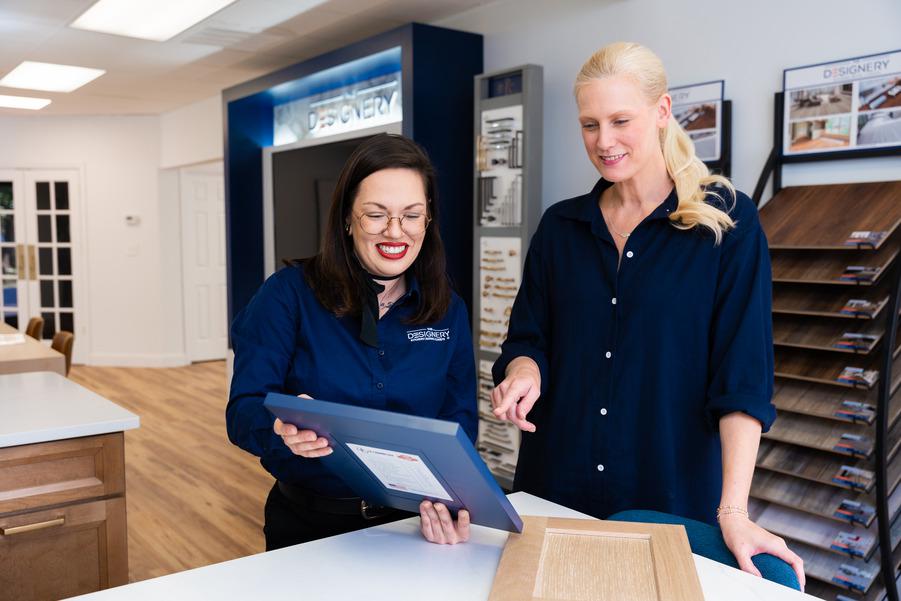
The Designery Longmont team knows Longmont. We understand Front Range weather because we experience it daily. We know which materials perform and which fail. We design outdoor kitchens that function beautifully in our unique environment.
Ready to create an outdoor kitchen designed specifically for Front Range living? Contact The Designery Longmont for your free consultation. Let us show you how proper planning, quality materials, and local expertise create outdoor entertaining spaces that truly enhance your Colorado lifestyle!
1. How does altitude affect outdoor cooking in the Front Range?
Higher elevation reduces oxygen, lowering gas grill heat and boiling points, which can lengthen cooking times for liquid-based recipes.
2. Why are UV-resistant materials important for outdoor kitchens in Colorado?
Colorado’s intense sun and 5,000+ ft elevation accelerate fading, discoloration, and damage. UV-resistant cabinetry, appliances, and sealants prevent premature wear.
3. How can I protect my outdoor kitchen from wind in the Front Range?
Strategic placement, windbreaks like low walls or screens, and wind-resistant grill designs ensure consistent cooking and comfort.
4. What measures prevent water damage in a Front Range outdoor kitchen?
Proper grading, countertop overhangs, sealed joints, and protective appliance covers prevent water intrusion from rain and snow.
5. Why choose The Designery Longmont for a Front Range outdoor kitchen?
We specialize in Colorado-specific conditions, selecting materials and designs that withstand UV, temperature swings, and wind while providing professional installation and support.