
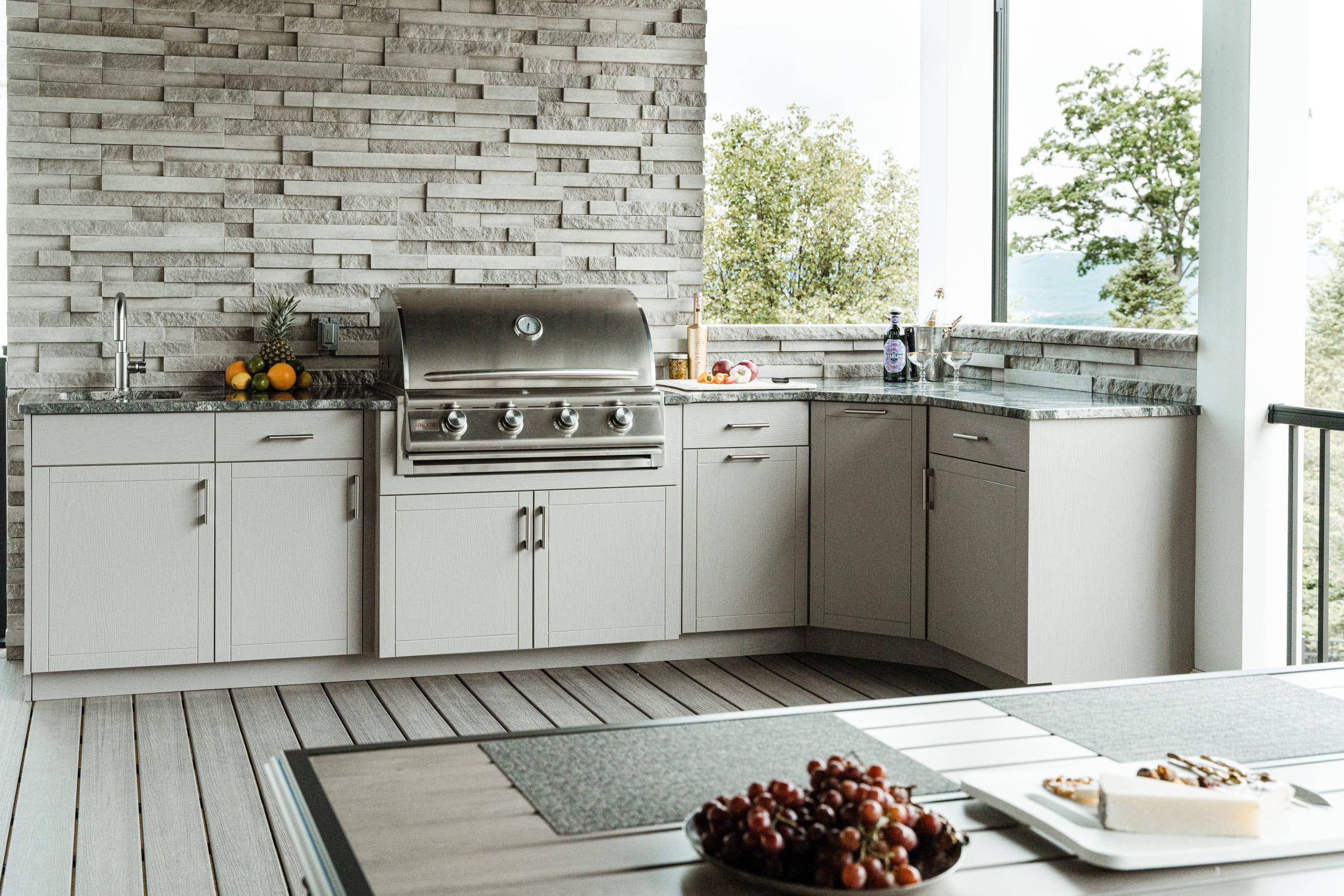
When you're planning an outdoor kitchen in Longmont, you're not just designing a beautiful space, you're building something that needs to survive Colorado's intense UV exposure, dramatic temperature swings, heavy snow loads, and sudden hailstorms. The Front Range climate demands materials and construction methods that can handle everything from blistering summer sun at 5,000 feet elevation to winter temperatures that can drop below zero.
At The Designery Longmont, we've helped countless homeowners create outdoor kitchens that don't just look stunning, they last for decades in our unique high-altitude environment.
Understanding Front Range Weather Challenges
Colorado's climate is uniquely challenging for outdoor installations. Longmont experiences over 300 days of sunshine annually, which means relentless UV degradation. We also face temperature fluctuations of 40-50 degrees in a single day, particularly during spring and fall. Winter brings heavy, wet snow that creates substantial weight loads, while summer delivers intense afternoon thunderstorms and occasional hail.
These aren't theoretical concerns. We regularly see outdoor kitchens built with inappropriate materials fail within just a few years—warped cabinet doors, cracked countertops, rusted hardware, and faded finishes that looked beautiful in year one but became eyesores by year three.
Cabinet Materials That Survive Colorado Conditions
The foundation of any outdoor kitchen is the cabinetry, and this is where material selection becomes critical. Standard indoor cabinets will fail rapidly in our climate, which is why we focus on marine-grade solutions designed specifically for harsh outdoor environments.
Stainless steel cabinets represent the gold standard for Colorado outdoor kitchens. They're impervious to moisture, won't warp in temperature extremes, resist UV damage, and can be cleaned easily after spring pollen or summer dust storms.
High-density polyethylene (HDPE) cabinetry offers another excellent option, particularly for homeowners seeking a more traditional cabinet aesthetic. HDPE won't absorb moisture, resists UV fading, and handles our temperature swings without cracking or warping. These cabinets are constructed from the same material used in marine applications and commercial outdoor furniture.
For those who prefer a wood aesthetic, we use marine-grade polymer materials that replicate the look of wood grain while offering complete weather resistance. Traditional wood simply can't survive in our climate. Even exotic hardwoods or treated lumber will eventually crack, warp, or rot when exposed to our intense sun and moisture cycling.
Countertop Solutions for High-Altitude Durability
Countertop selection requires equal attention to weather resistance. The surfaces we recommend for Longmont outdoor kitchens prioritize durability without sacrificing style.
Granite remains our top recommendation for Colorado outdoor kitchens. It naturally resists UV damage, handles our temperature extremes without cracking, and sheds snow and ice effectively. We specifically recommend darker granite colors with tighter grain patterns, as these show less weathering over time and hide the minor etching that can occur from snow salt or acidic bird droppings.
Porcelain slabs have emerged as another excellent choice. These engineered surfaces offer superior stain resistance compared to natural stone, maintain their color in intense UV exposure, and handle freeze-thaw cycles better than almost any other material. Porcelain is also non-porous, which means it won't harbor bacteria even after years of outdoor use.
Hardware and Fixtures Built for the Elements
The small details matter enormously in outdoor kitchen longevity. We specify only stainless steel hardware for all hinges, handles, and mounting brackets. Standard hardware will rust within a single season in our environment, especially when exposed to sprinkler overspray or snow melt.
Outdoor-rated plumbing fixtures must be winterized or designed with freeze protection. We install quarter-turn valves that can be easily drained before winter, and we position water lines where they can be blown out completely. Many homeowners don't realize that a single freeze event can destroy an entire outdoor kitchen's plumbing system if it wasn't installed correctly.
Gas lines require specialized installation for our elevation and climate. We use black steel pipe rather than flexible connectors for permanent installations, and we ensure all connections use thread sealant rated for outdoor natural gas or propane service. Proper venting becomes even more critical at our elevation where air density affects combustion.
Seasonal Maintenance and Long-Term Care
Even weather-resistant materials require appropriate seasonal care in our Front Range climate. We recommend a comprehensive fall winterization that includes draining all water lines, removing or covering cushions and fabric elements, and applying protective sealants to any porous surfaces.
Regular cleaning matters more than many people realize. Our intense UV exposure can bake on cooking residue and create stains that become permanent if not addressed promptly. We recommend cleaning stainless steel surfaces monthly during the use season and covering the kitchen during extended periods of non-use.
Investment Protection Through Professional Installation
The quality of installation matters as much as material selection when building a Colorado outdoor kitchen. We see frequent problems with DIY or contractor-installed kitchens that used appropriate materials but failed to account for our specific climate challenges during installation.
Proper installation includes sealing all seams with marine-grade sealants, ensuring adequate ventilation around appliances, creating proper water runoff, installing gas lines to code for our elevation, and building in expansion gaps that accommodate our severe temperature swings. These details separate outdoor kitchens that last five years from those that thrive for twenty-five years.
Why Local Expertise Matters for Longmont Outdoor Kitchens
At The Designery Longmont, we've spent years learning what works and what fails in Front Range outdoor kitchens. We understand that a product or technique that performs beautifully in Phoenix or Seattle may be completely wrong for our unique combination of high elevation, intense sun, low humidity, and severe temperature swings.
Our design consultations start with your specific site conditions: sun exposure patterns, prevailing wind direction, existing architecture, drainage considerations, and how you actually plan to use the space. We then specify materials and configurations that will deliver decades of reliable performance while creating the entertaining space you're envisioning.
We work with vetted subcontractors who understand Colorado outdoor construction requirements and have proven track records of quality installations. Our process includes proper permitting, code-compliant installation, and post-installation support to ensure your investment is protected.
Ready to create an outdoor kitchen that's built for Colorado's climate?
Schedule a free in-home consultation with The Designery Longmont! We'll assess your space, discuss your vision, and show you exactly which materials and configurations will deliver lasting performance in the Front Range environment.
Outdoor Kitchen Material FAQs: Cold Climates & High Altitude
1. What materials work best for outdoor kitchens in Colorado?
Stainless steel, HDPE cabinetry, marine-grade polymers, granite, and porcelain slabs perform best in Colorado’s UV exposure, freeze-thaw cycles, and snow loads.
2. Can traditional wood cabinets be used in Colorado outdoor kitchens?
Traditional wood typically fails in Colorado’s climate due to UV damage, moisture cycling, and temperature swings. Weather-resistant alternatives are strongly recommended.
3. Is granite or porcelain better for Colorado outdoor countertops?
Both perform well. Granite offers natural durability, while porcelain provides superior stain resistance and freeze-thaw stability.
4. How do I winterize my outdoor kitchen in Longmont?
Winterization includes draining water lines, protecting plumbing fixtures, cleaning surfaces, and covering exposed elements before freezing temperatures arrive.
5. Why is professional installation important for Colorado outdoor kitchens?
Proper installation ensures gas lines, plumbing, ventilation, sealing, and expansion allowances are designed specifically for Colorado’s high-altitude climate conditions.