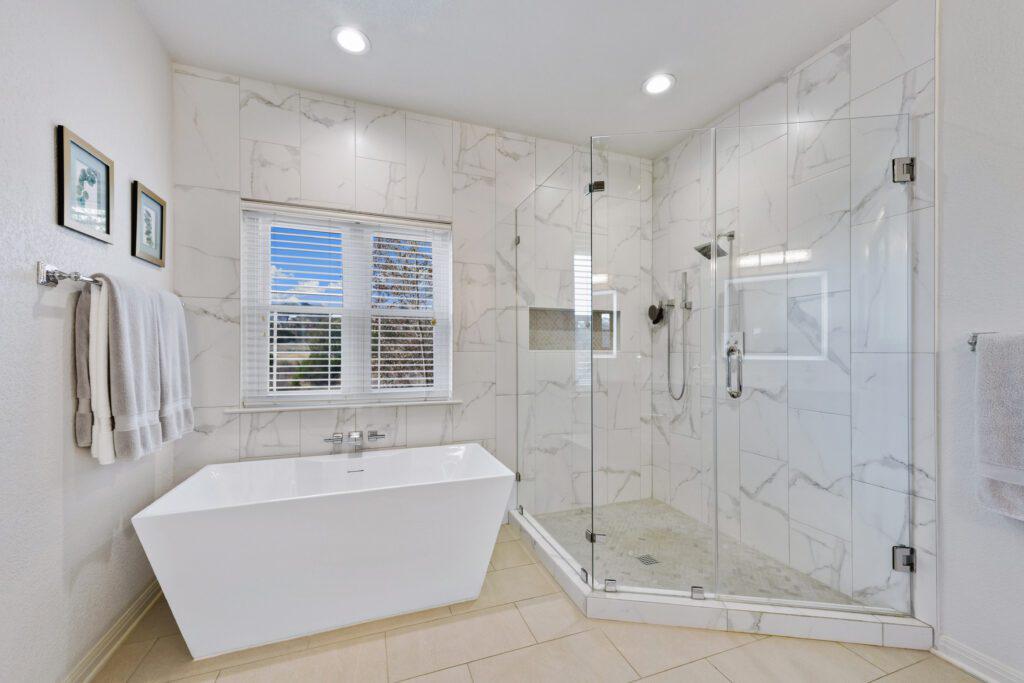
Most homeowners start with a small goal. They want fresh tile in the shower and nothing more. Once the old tile comes off the wall, though, the project often grows. What looked like a one-day job can turn into a full bathroom renovation.
This happens more often than people expect. Understanding why it happens can help you plan better and avoid unpleasant surprises.
Old Tile Hides Water Damage
Bathrooms deal with constant moisture. Over time, water can seep behind tile through cracked grout or worn caulk. This moisture often damages the wall material underneath without any visible signs on the surface.
When a contractor removes the old tile, that hidden damage becomes clear. Soft drywall, rotted wood, or moldy backing material all need to be replaced before new tile goes up. Skipping this step would only trap the same problems behind a fresh surface.
Outdated Plumbing Gets Exposed
Removing shower tile often means restoring access to pipes and fixtures. Once those pipes are visible, many homeowners choose to address problems they had been ignoring. A slow leak, corroded pipe, or outdated valve is much easier to fix while the wall is already open.
Waiting until later means opening the wall again. Therefore, tackling plumbing issues during the retile saves time and money in the long run.
The New Tile Doesn't Match the Old Layout
Tile styles change quickly. A homeowner might pick a design that looks completely different from the original tile. In contrast to a simple swap, a new look often requires adjusting trim, transitions, or even the shower pan to make everything flow together.
This mismatch can extend into the rest of the bathroom. Flooring, vanity surfaces, and paint may suddenly look outdated next to the new shower. Many homeowners decide to update these areas at the same time rather than live with a mismatched space.
Structural Issues Surface During Demo
Older homes sometimes have structural quirks that were never addressed. Uneven subfloors, out-of-level walls, or aging support beams can all surface during a shower retile. These issues are not always obvious until the tile is removed.
Additionally, some older installations were done without proper waterproofing. Correcting this now prevents future leaks and protects the investment in new tile. Skipping it would only lead to repeat repairs down the road.
Code Requirements May Have Changed
Building codes evolve over time, especially around plumbing and electrical safety. A bathroom that was up to code decades ago may not meet current standards. This becomes especially important if the retile involves opening walls or moving fixtures.
Contractors are required to bring exposed areas up to current code. This can include updated wiring, ventilation, or drainage systems. While this adds to the scope of work, it also improves the safety and value of the home.
Why Planning Ahead Makes a Difference
Homeowners who understand these possibilities from the start tend to have a smoother experience. Setting a flexible budget and timeline helps absorb any surprises that come up during demolition. It also reduces stress if the project scope changes.
Working with an experienced tile professional makes a big difference. A skilled team knows what to look for and can spot potential issues early. This allows for better planning and fewer unexpected delays.
Getting the Right Support in Greensboro
A shower retile is rarely just about swapping old tile for new tile. It often reveals moisture damage, plumbing concerns, or structural issues that need attention. Recognizing this possibility early helps homeowners approach the project with realistic expectations.
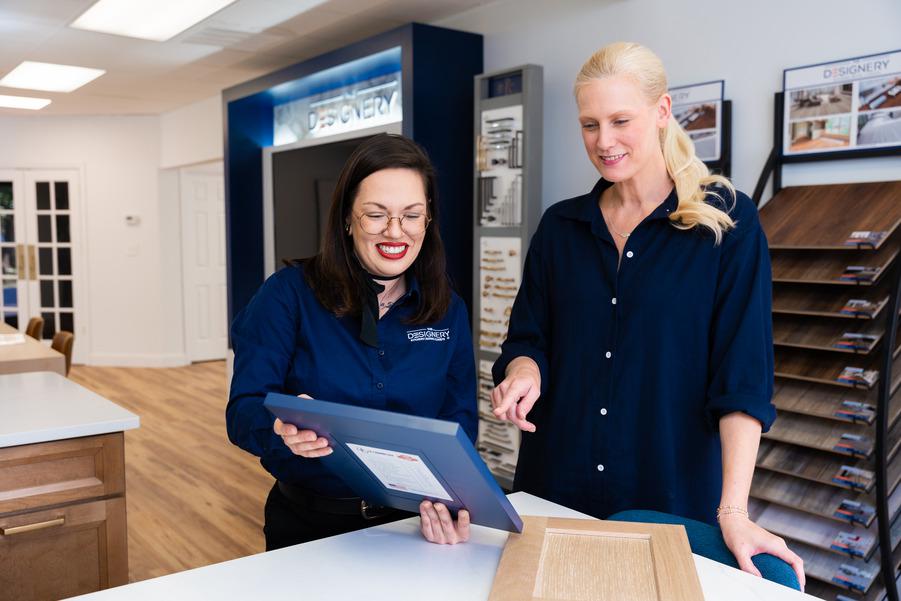
The Designery in Greensboro helps homeowners navigate these projects with confidence. Their team understands the layers involved in a proper tile installation, from surface prep to long-term durability. Whether the job stays small or grows into a larger renovation, having the right guidance makes all the difference.
If you are considering a shower or bathroom remodeling, take time to think beyond the surface. A little preparation now can prevent costly issues later and result in a bathroom that looks great and functions well for years to come.