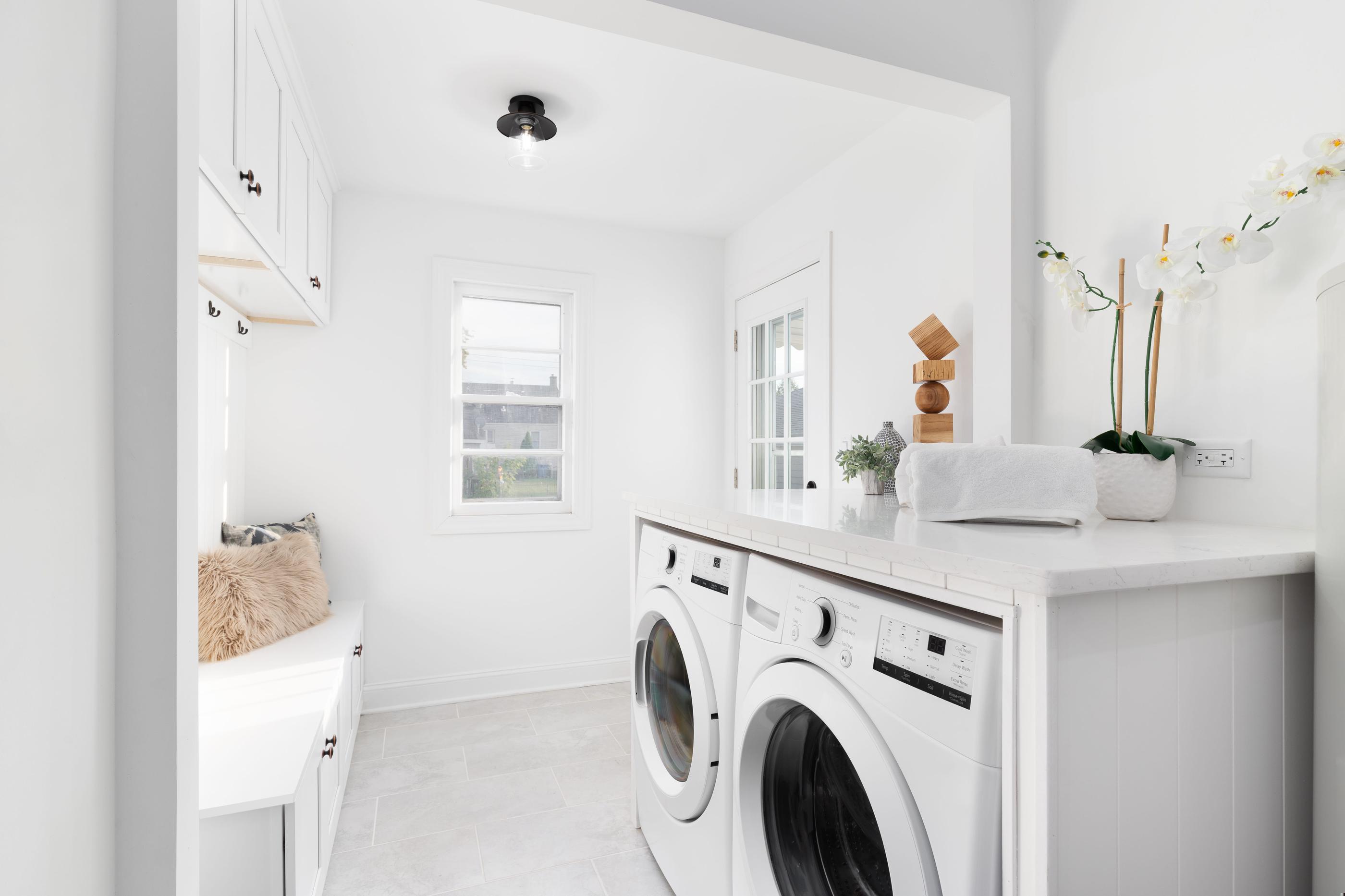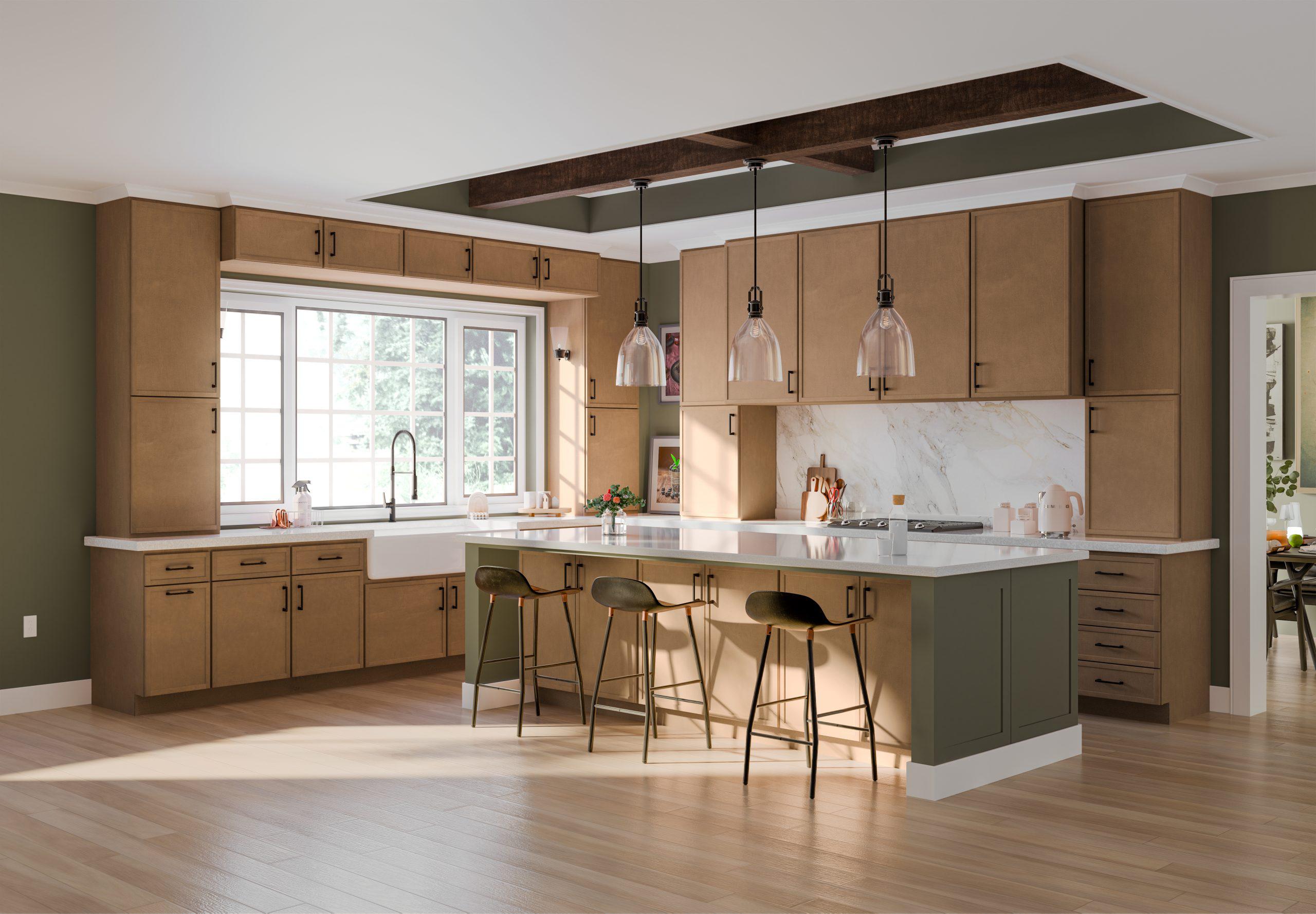

The term “engineered wood” confuses or even turns off some homeowners. “We want real wood!” they may say. Good news – engineered wood is real wood. It’s just been engineered to get around some of the pitfalls of solid wood flooring.
Solid wood is still a great choice for your office, closet, or kitchen remodeling project. But if something about the maintenance or price is giving you pause, keep reading. We have an alternative for you, and we’ll start by answering the main question: what is engineered wood flooring?
What is engineered wood flooring?
Engineered wood flooring features a layer of natural wood fixed onto plywood or high-density fiberboard. The purpose of this construction is to reduce the chance of shrinking or warping over time. This process makes wood flooring more moisture-resistant and resilient in wetter spaces like the kitchen.
What are the benefits of engineered wood?
Homeowners choose engineered hardwood because it withstands a wider range of conditions. Here are situation-specific reasons to choose hardwood veneer on fiberboard:
-
Works well on concrete subfloors. This, combined with its enhanced moisture resistance, makes it a more practical pick for finishing basements.
-
Easier to maintain. Many engineered planks require less upkeep versus solid hardwood, which can warp in certain conditions and climates.
-
Straightforward installation. Engineered wood is a modern flooring system that requires less labor to install.
-
Cost-effective and beautiful. Looks as appealing as many solid woods at a lower price.
Additionally, homeowners find a flexible range of design options. The various grain patterns, undertones, colors, and natural wood varieties available today fit most design schemes.
Engineered wood flooring vs. solid hardwood
Solid hardwood flooring is still an excellent choice for many rooms. Here’s a side-by-side comparison of your two best wood flooring options.
|
Engineered wood |
Solid hardwood |
|
Lasts 20-40 years |
Lasts up to 100 years |
|
Can be refinished once or twice |
Can be refinished approximately six times |
|
Easier general maintenance |
|
|
More budget-friendly |
More expensive, but can add more value |
|
Moisture-resistant, can be used in kitchens, basements, and laundry rooms |
Avoid moist or humid environments for maximum longevity |
|
A range of installation methods, from floating and glued to nail down |
Requires professional preparation and nail-down installation |
The bottom line is that solid hardwood is a fantastic long-term investment for living rooms, bedrooms, and some kitchens. For natural beauty that bounces back in almost any area, engineered is where it’s at.
Types of engineered wood flooring
When you choose engineered wood, you may have more control over how your floor looks. Again, the top wood layer is natural. But the reinforced construction and techniques used in production help tailor its appearance to your vision.
See how different types of textures and finishes create cohesive designs.
Engineered smooth flooring
Clean and contemporary. If you like the practicality of wood but want something that looks more seamless, this is the top of the pile.
Engineered hand-scraped flooring
Warm and rustic. Artisanal with oodles of character. Charming cottages, rustic gathering spots, and other down-home designs prefer this handmade patina.
Engineered wire-brushed flooring
Classic and modern. Mild distressing helps the grain pop out to emphasize natural beauty. The delicate detail is ideal for sophisticated and classic spaces.
Top engineered hardwood picks for 2026
The subtler sheen of many engineered woods is a top flooring trend this year. Here are some choices you can see in person at The Designery.

Pemberley Oak
Warm with a wire-brushed finish, you get plenty of earthiness and texture from Pemberley Oak. Rustic kitchens and cozy cottages love it, but it also has a grounding influence on plush, modern designs.
See more colors and details here.
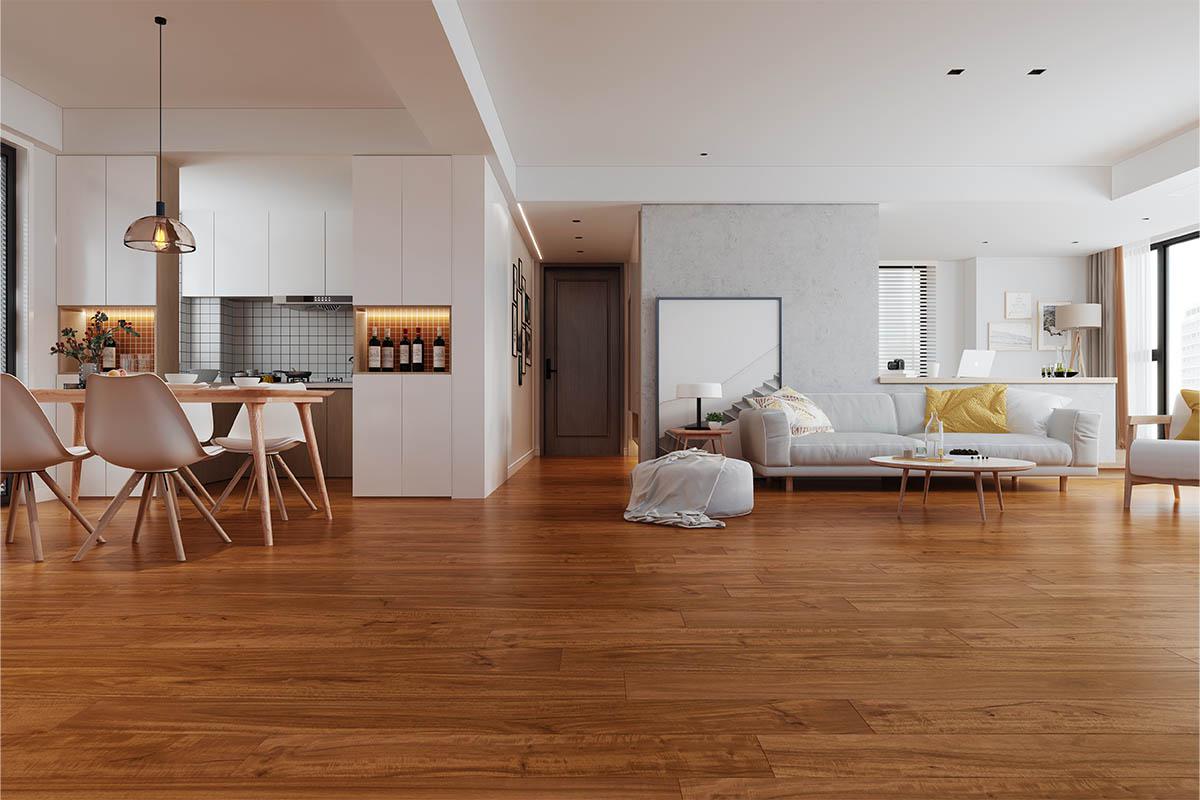
Summer Wood Acacia
Super smooth with intricate patterns, Summer Wood Acacia adds polish to high-traffic areas. Bring the beauty of genuine Acacia to airy open-concepts, coastal kitchens, cosmopolitan condos, and more.
The color shown is Spring Trail, which you can learn more about here.
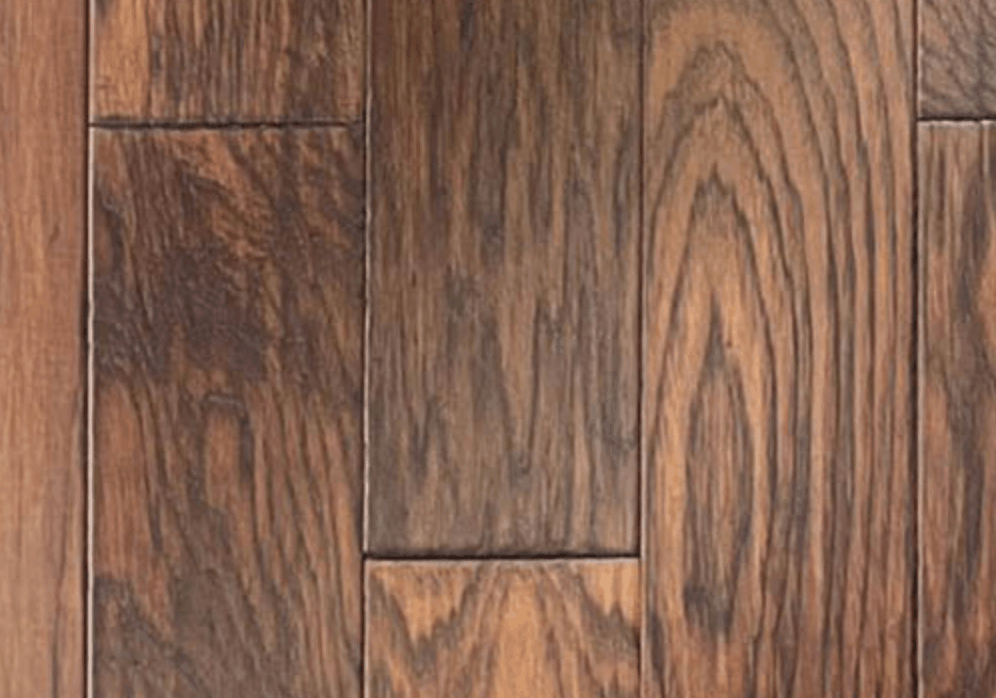
Valley Brook Hickory
This hand-scraped engineered wood is as versatile as it gets. Color uniformity is the main attraction, but not so much that it obscures the natural patterns of the wood. Valley Brook Hickory comes in diverse depths and undertones. (Shown above: Newton.)
See the selection firsthand at your local Designery
The Designery’s ready to handle your kitchen, bath, or closet remodel from the floor up. Have a design professional walk you through the benefits and features of all of our offerings, including:
-
Solid wood
-
Engineered wood
-
Luxury vinyl plank and tile
-
Porcelain and ceramic tile
-
Natural stone tile
“Their team of designers is amazing and passionate about finding the best solution for homeowners for their kitchen and bath remodels.”
Amber, Designery client
Contact us for a zero-risk consultation and schedule your design.

Engineered wood flooring FAQ
Do engineered wood floors scratch easily?
No, in fact, they’re usually more resistant to scratching than solid hardwoods. Manufacturers apply a protective finish. That said, engineered hardwood is still genuine wood and can scratch.
Is engineered wood better than laminate?
For longevity and aesthetics, yes, engineered wood is the better choice for many. However, laminate is much more affordable.
When a client decides engineered or solid wood isn’t right for them, LVP (luxury vinyl plank) usually meets all of the criteria they need. It’s more advanced and moisture-resistant than the laminate.
Can you mop an engineered wood floor?
Yes, you can mop engineered hardwoods. As with most flooring, the main consideration is to avoid flooding or over-wetting the floors. Damp mops are always preferable to soaking wet ones.
Some engineered wood floors shouldn’t be cleaned with vinegar-based cleansers. Always review manufacturer recommendations when purchasing.
Do engineered wood floors work with radiant heat?
Yes, engineered hardwood can be installed over radiant heating systems. This is another reason why homeowners choose them over solid wood.
What is the lifespan of engineered wood flooring?
Engineered wood floors last 20-40 years. This varies by manufacturer, so be sure to check your warranty for a specific guarantee. For example, flooring products carried by The Designery frequently feature a manufacturer’s 25-year residential warranty.