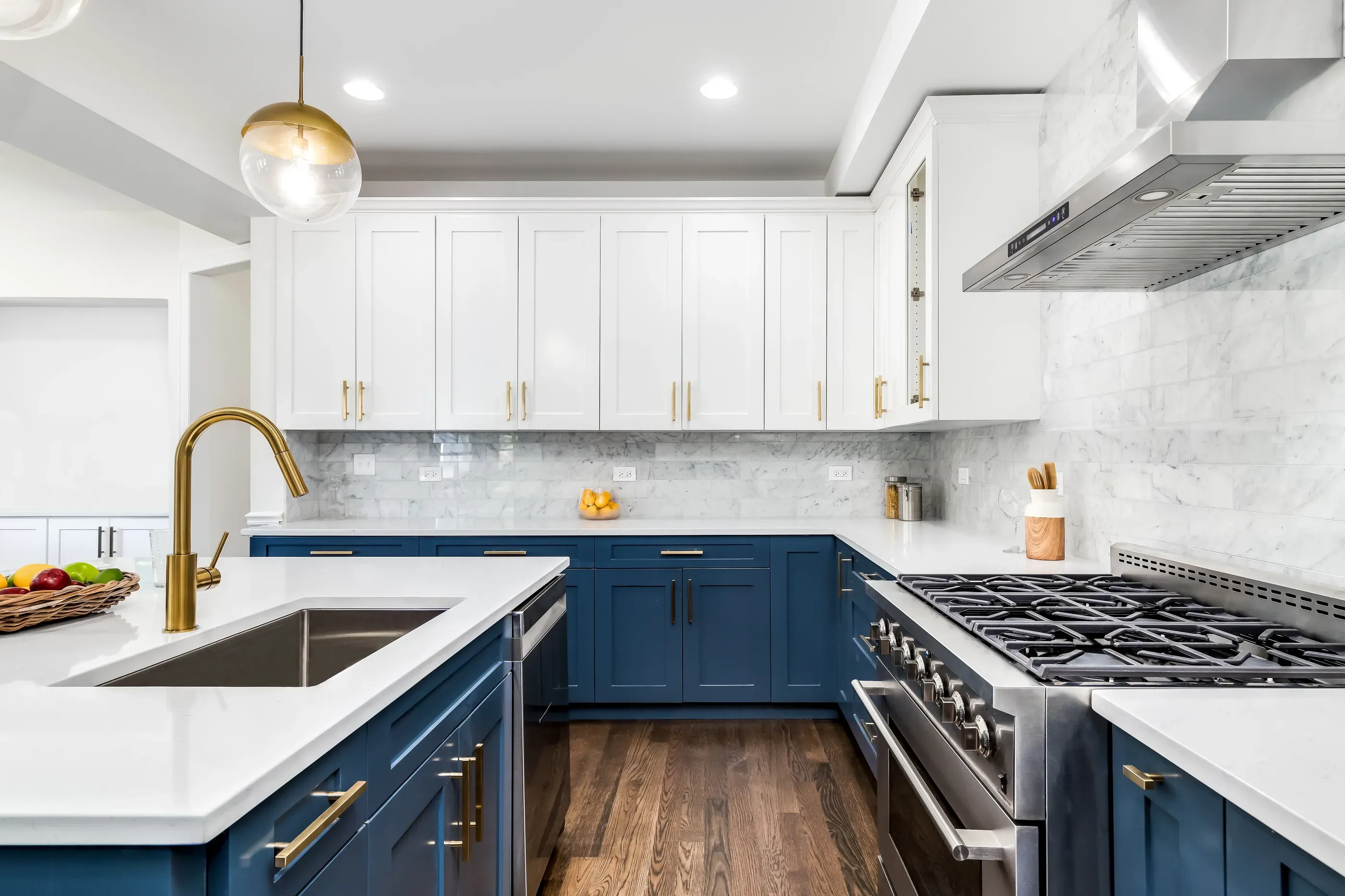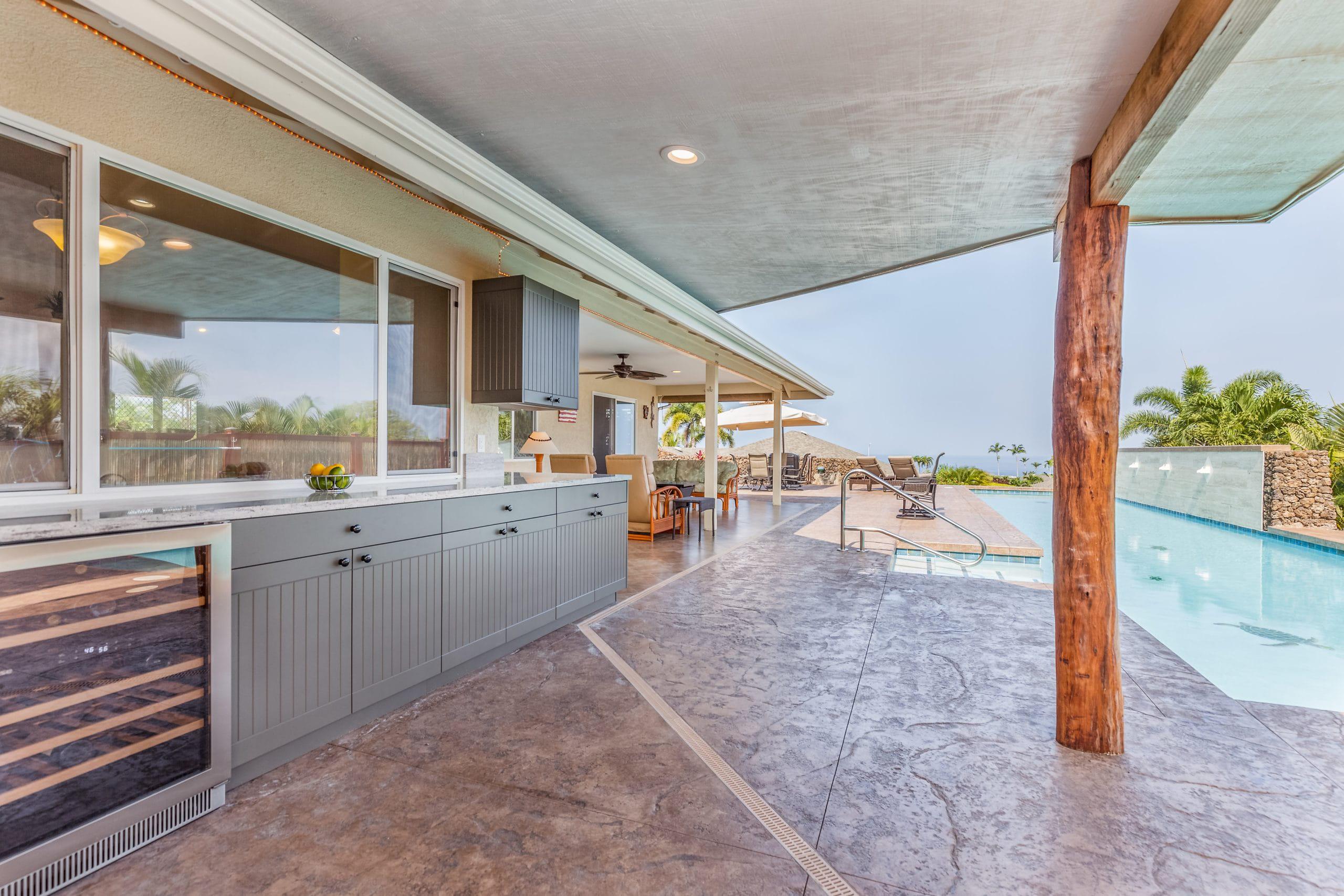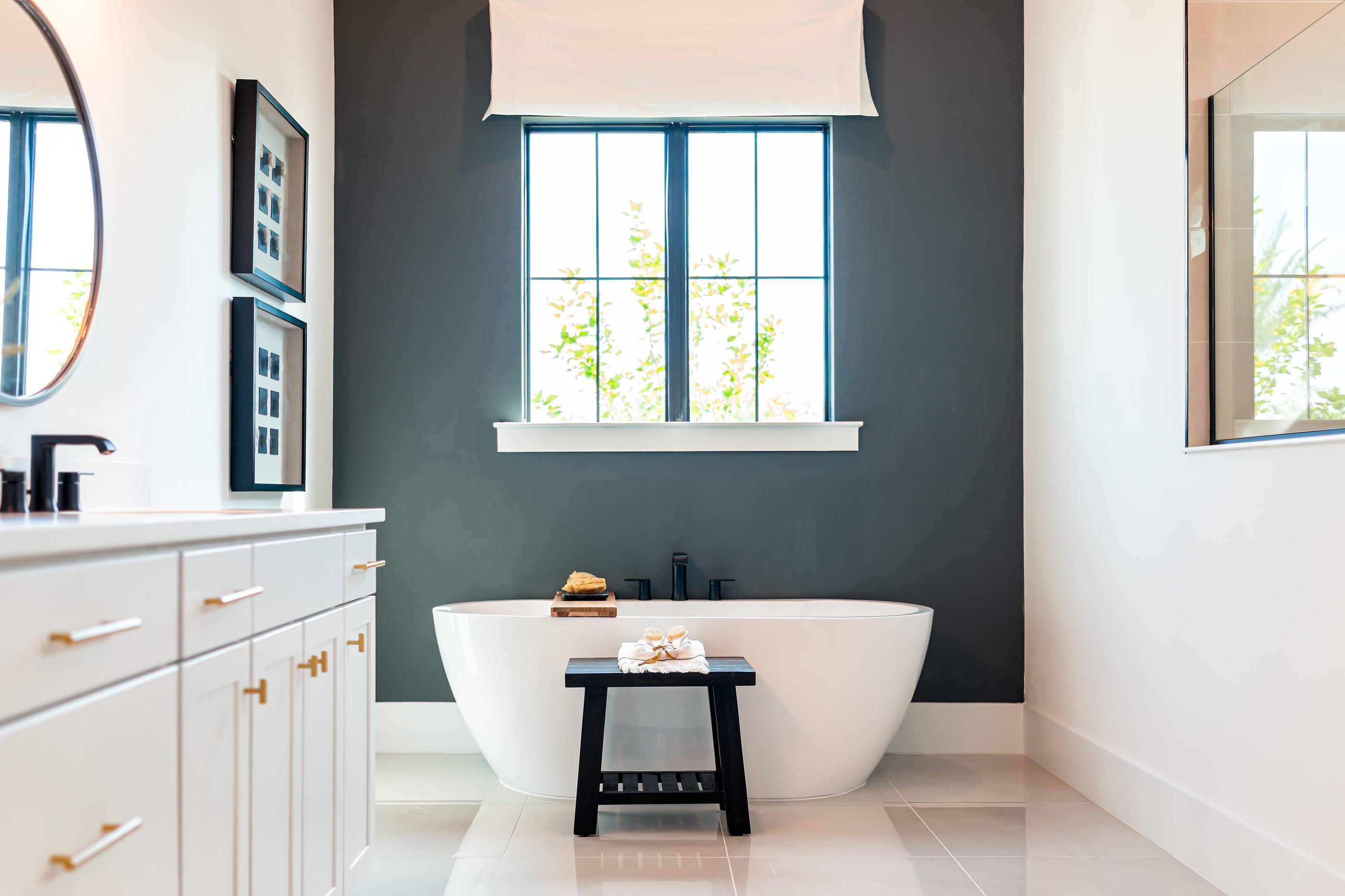
Biophilic design is meant to bring humans closer to nature, even when they’re standing in a newly remodeled kitchen. It isn’t just about a fondness for plants or a love of sustainable materials. This is a type of design that is said to reduce stress, increase creativity, enhance productivity, and support our overall sense of well-being.
With remodelers and property owners taking a greater interest in grounded designs and natural materials, it’s good to know what it entails. Keep reading to learn more about biophilic design and how to start letting it grow into your home.
How to try biophilic design at home
Biophilic design isn’t just a movement. For many, it’s a way of life that informs everything they see. However, it’s fairly easy to add more nature and nature-adjacent design to any room. Here are six ways to make the connection.
First, plants and herbs.
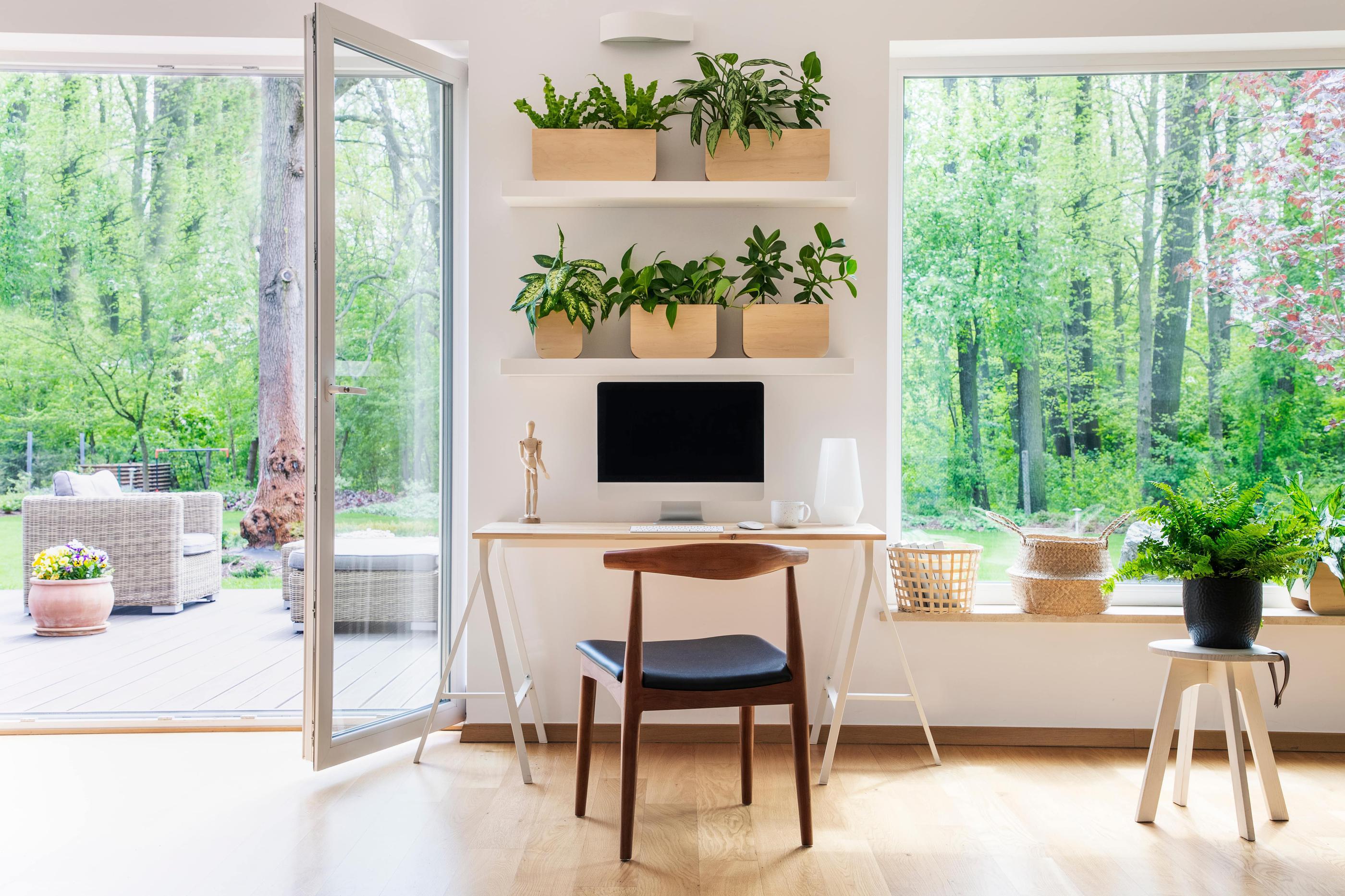
Biophilic design doesn’t require plants, but it is the most common addition in homes where it’s implemented. The most iconic examples of biophilic architecture included landscaping that seemed to consume a structure.
At home, an open-shelf herb garden is highly recommended. Houseplants of all kinds work, but edible greenery involves more senses–a key consideration in biophilic design.
Increase natural light exposure.
Scenic views and sunlight are considered some of the most impactful ways biophilic design supports well-being. Of course, not everyone has access to gorgeous landscapes and floor-to-ceiling windows in prime places.
Reflective surfaces and skylights are a few common methods for brightening up a nature-inspired space. A pale color palette grounded by warm undertones and earthy accents can also breathe more light into a room.
Move away from clean lines.
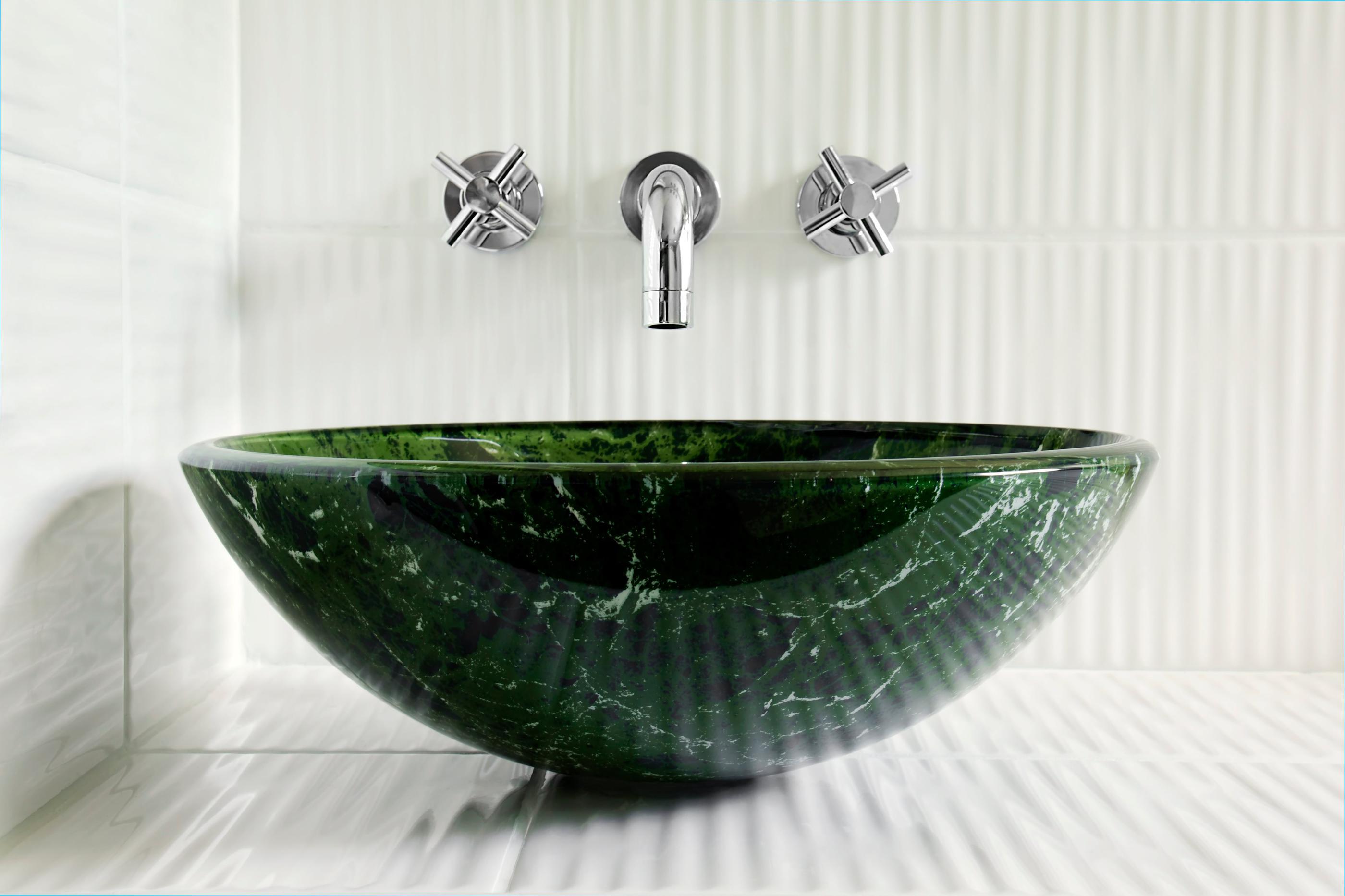
Round, feminine, or imperfect shapes are more attuned to Mother Earth’s state of mind than the sharp, angular lines of contemporary design. Think arch-top built-in shelving, bowl-style vessel sinks, swanlike faucets, and thick, raw-edge countertops.
Unadorned wood slab cabinets or knobs and cup pulls replace long, straight handles. No matter the hardware, soft, quiet-close construction is a must.
Find the color in nature.
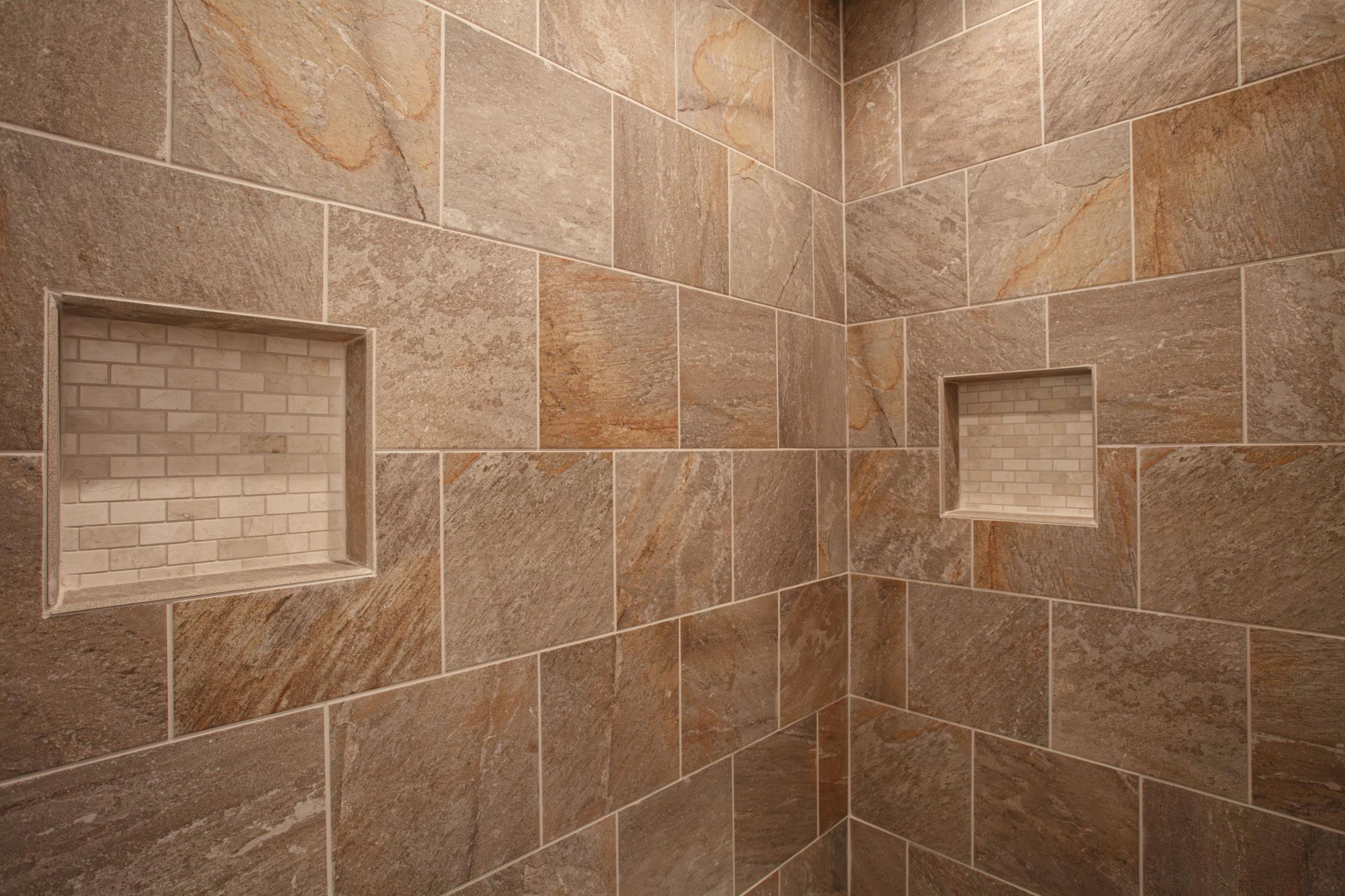
Biophilic color palettes aren’t all about forests and jungles. Think of an ocean shore, from the sand to the waves. A field of wheat, a fluffy cloud, a desert.
The expansive palette includes colors that will be trending in home design through next year. People are finding sage green, charcoal, and terracotta more grounding and inviting.
Use water as inspiration.
Water features are often incorporated into biophilic design to engage our sense of hearing. However, the movement and amorphousness of water can serve as biophilic inspiration. Without having to clean and maintain a fountain.
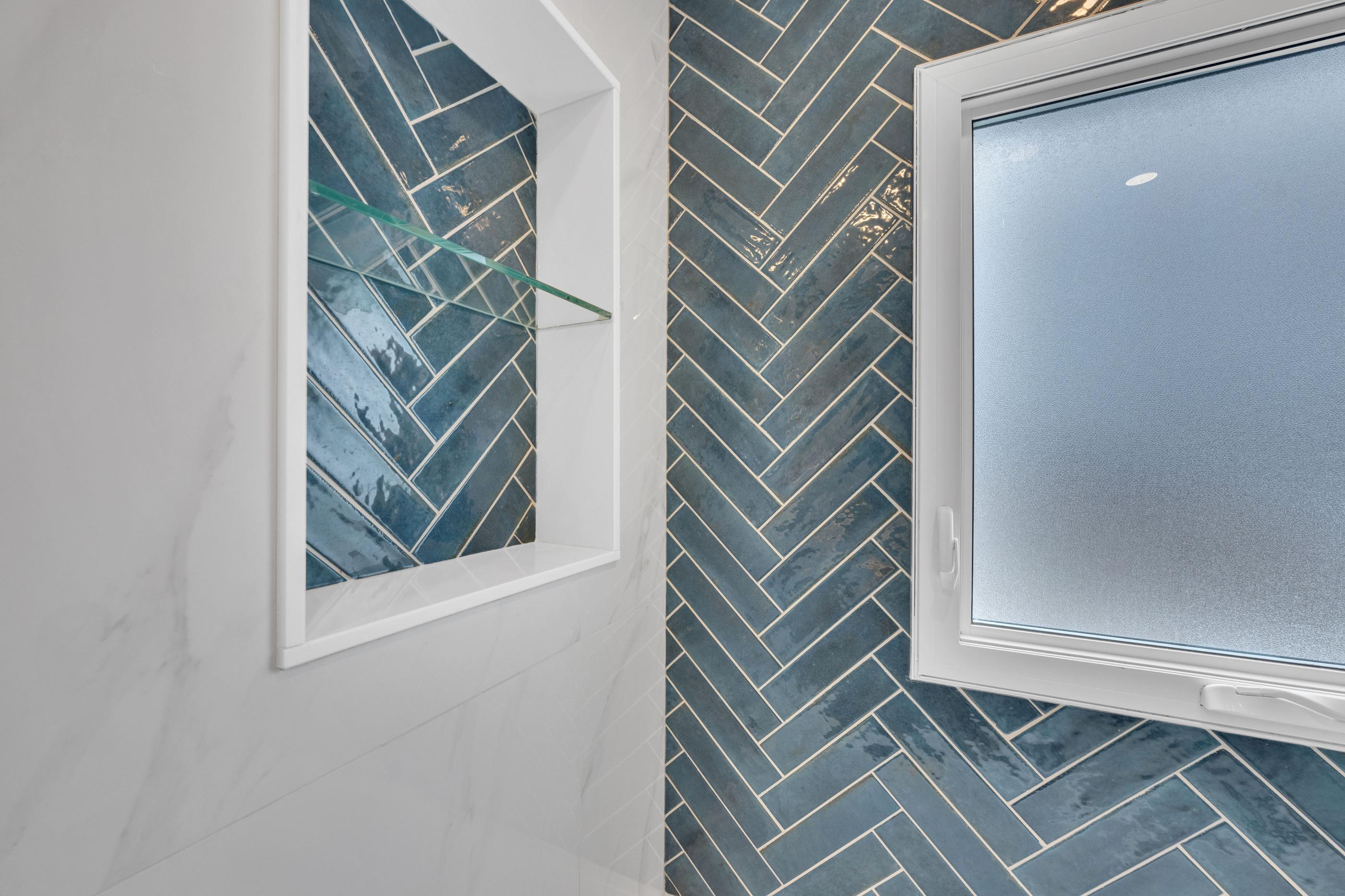
For instance, textured or irregularly shaped tilework can be set to mimic the feel and motion of water running down a wall. Look into tile accent walls or glazed wet-look Zellige tile and discover what moves you.
Get in touch with natural materials.
The biggest influence biophilia currently has on interior design is natural materials. Genuine stone countertops, hardwoods, and ceramic tile require both the beauty of nature and human craftsmanship.
Some of these materials are also more sustainable. A desire for more ecologically conscious design frequently overlaps with biophilic interest.
Biophilic design FAQ
What are the 5 senses of biophilic design?
The senses of biophilic design include touch, smell, taste, sound, and sight. How they apply to the concept is commonly accepted as follows:
-
-
Touch: The feel of natural materials like wood
-
Smell: The aroma of plants and flowers
-
Taste: Herb gardens, edible plants
-
Sound: Running water, singing birds
-
Sight: Natural views and sunshine
-
What are biophilic colors?
Since nature is the true, original source of all design, the biophilic color palette is rather broad. In addition to earth tones like stone, mocha, and clay, it features soothing coastal blues, crisp whites, and fertile greens.
What is the meaning of biophilia?
It means “love of life.” Biophilia is the idea that humans prefer being surrounded by other living things, whether that be one another, animals, plants, or vibrant aspects of nature that seem “alive.”
Who is the father of biophilic design?
The term “biophilia” was coined by Erich Fromm. However, many consider Stephen Kellert the father of biophilic design. He was among the first to successfully apply the term to structure and design.
Explore natural materials and color palettes with the guidance of a professional designer.
From rich hardwoods and smooth tiles to granite pulled directly from the earth, The Designery can help you apply elements of biophilic design during your next remodel. Start with a complimentary consultation with a professional designer who can help bring your vision to life.
“They take the time to understand the vision and bring it to life with precision and style. Thank you for the new standard you are setting. You can tell they genuinely care about quality, and every interaction along the way, not just in the final product.”
–Miguel, Designery client