If there’s one room that ends up pulling more weight than intended, it’s the kitchen. Putting away groceries or making dinner is just the beginning. Many kitchens become drop zones, social venues, workspaces, and break rooms.
Before you start a kitchen remodel, read this. Multifunctional kitchen design is the way to accommodate everything else your kitchen ends up being used for.
What is a multifunctional kitchen?
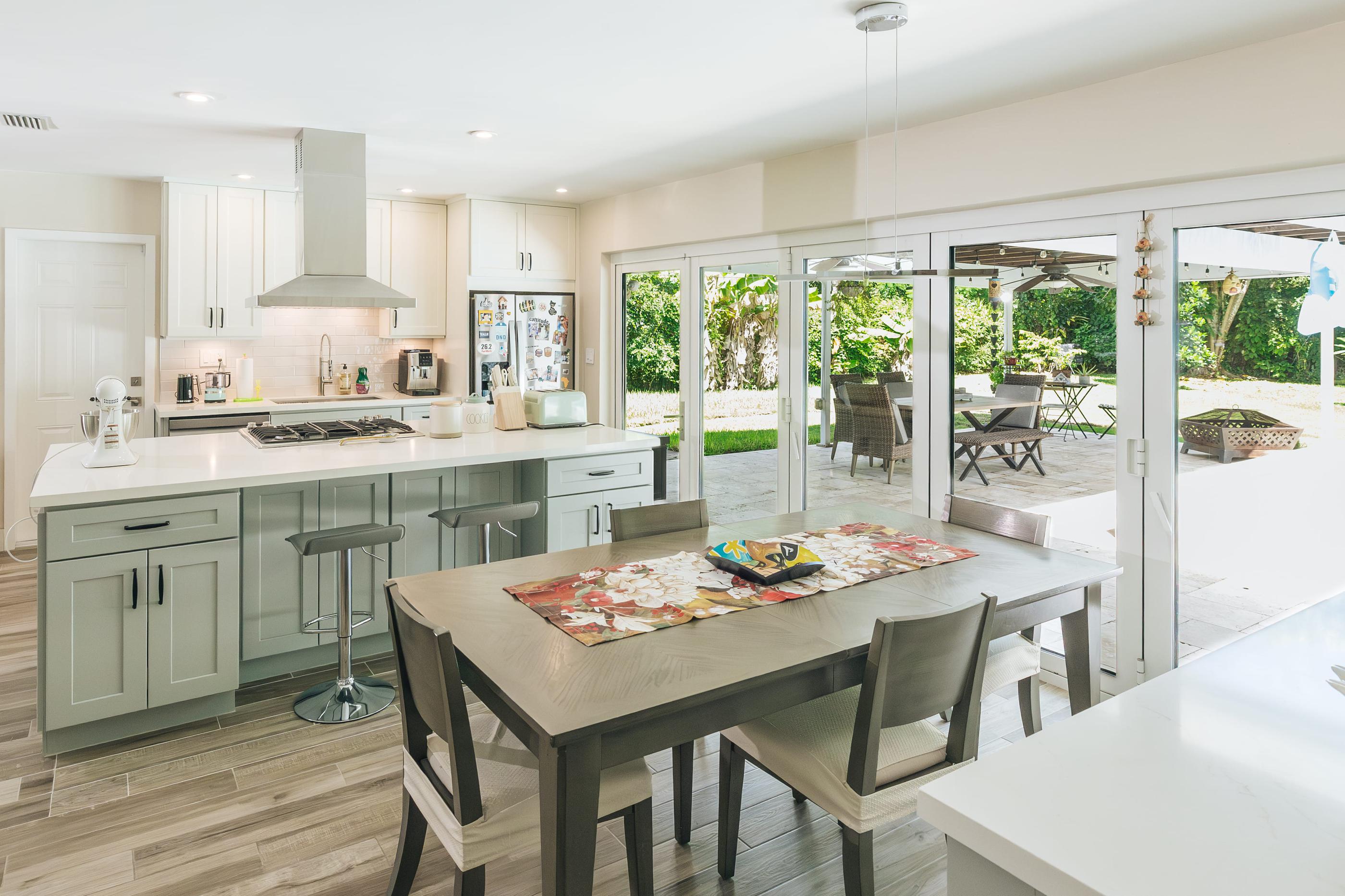
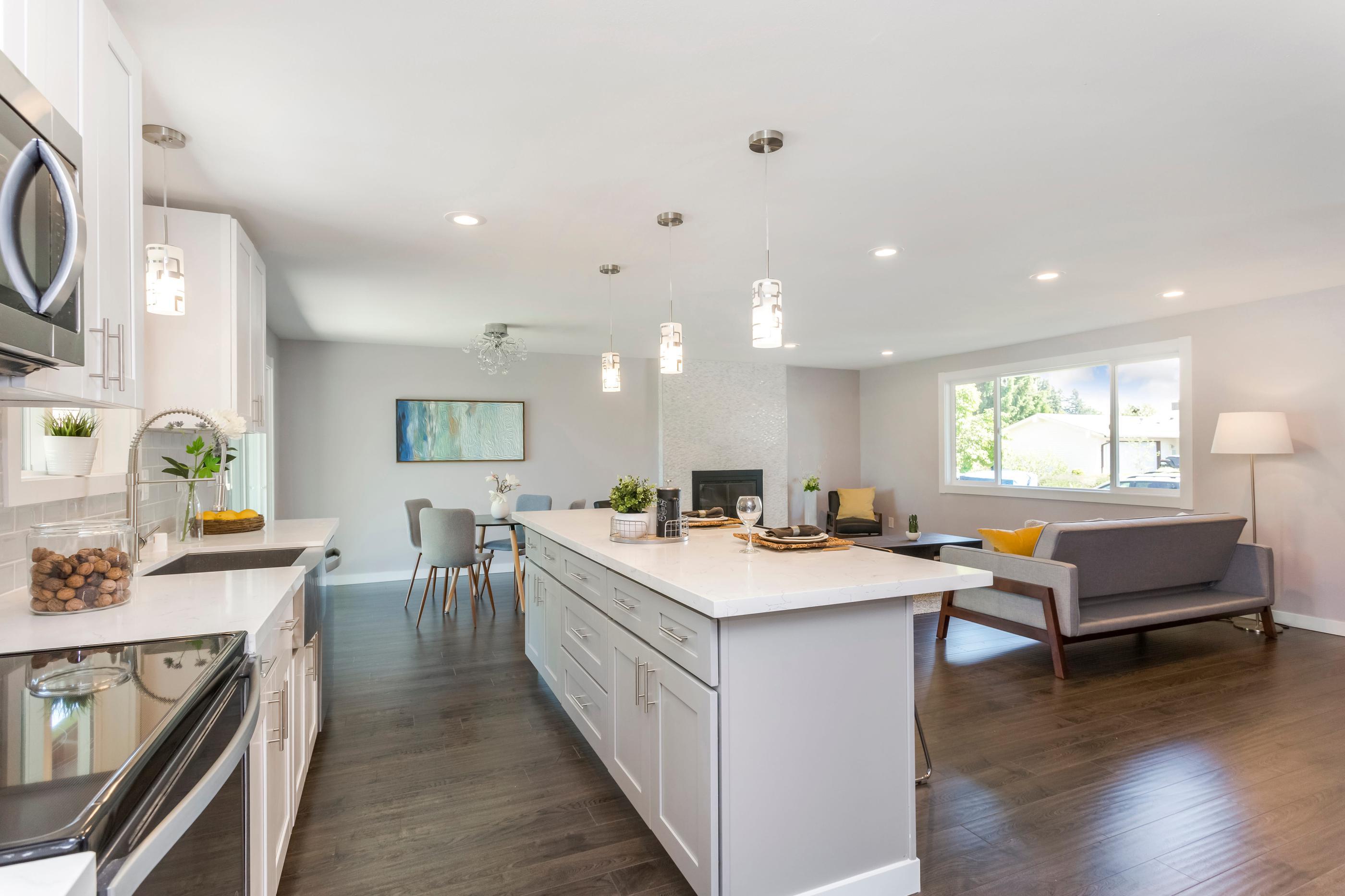
Multifunctional kitchens are the heart of your home. Instead of just storage and prep, many daily activities may take place here. It’s the place where you catch up with and entertain friends, have family dinners, and supervise the kids’ homework. In some homes, elements of kitchen, living, and dining space come together, with or without an open concept.
It’s a comfortable, efficient, attractive kitchen that makes life easier while drawing everyone nearer.
Multifunctional kitchen design is ideal for:
-
Households with multiple cooks.
-
People who love entertaining.
-
Families with kids on various schedules.
-
Anyone who wants to derive maximum value from their property’s square footage.
Building a versatile kitchen in 7 simple steps
Don’t just update your kitchen. Design a space that everyone gravitates toward with seven tips for kitchens that can do it all.
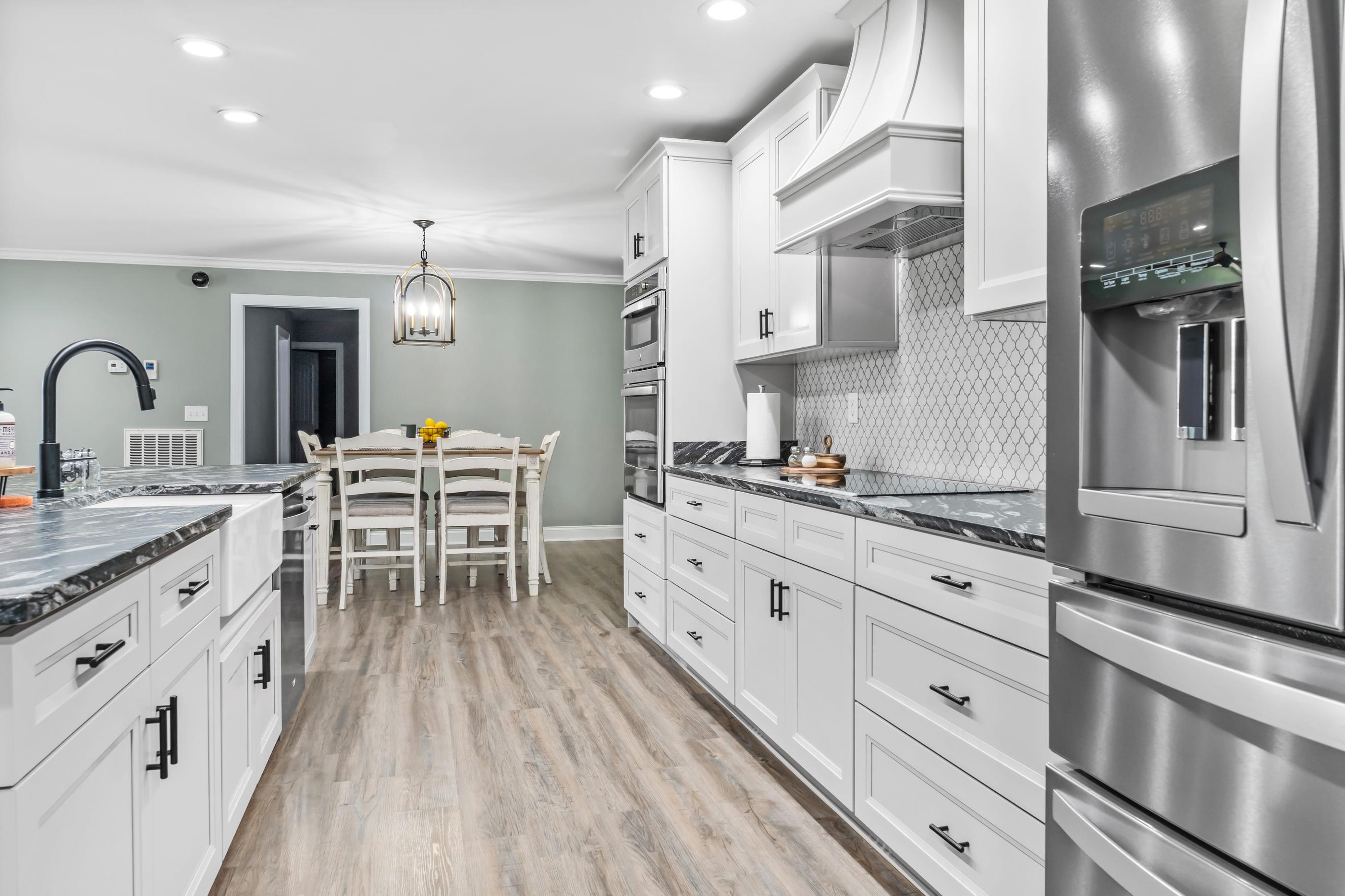
1. Choose flooring that handles high traffic.
Start at the bottom and work your way up. The base of a multifunctional kitchen requires flooring that’s easy to clean and supports the flow and transition of your layout. Luxury vinyl plank, for example, is versatile enough in appearance, wear, and care. It’s a top choice for open concepts and ties different dedicated zones together.
2. Load up on features for your kitchen island.
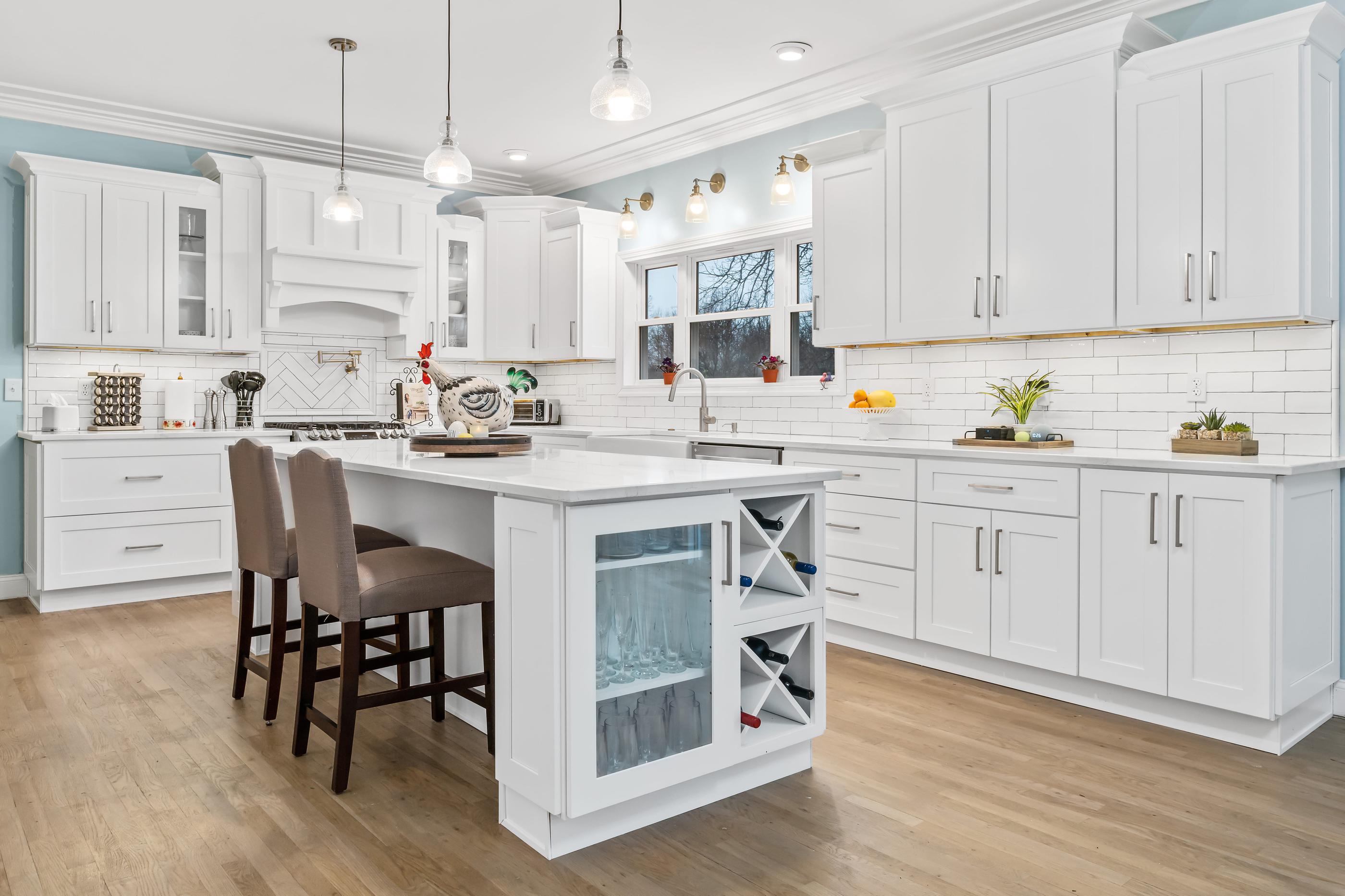
Multifunctional kitchen design involves the perfect kitchen triangle, space for various activities, and even a little tech support. Today’s kitchen islands are being outfitted with all of the above. Outlets for charging devices, greater spans of counterspace, and optimal sink position in relation to other appliances are all in-demand features.
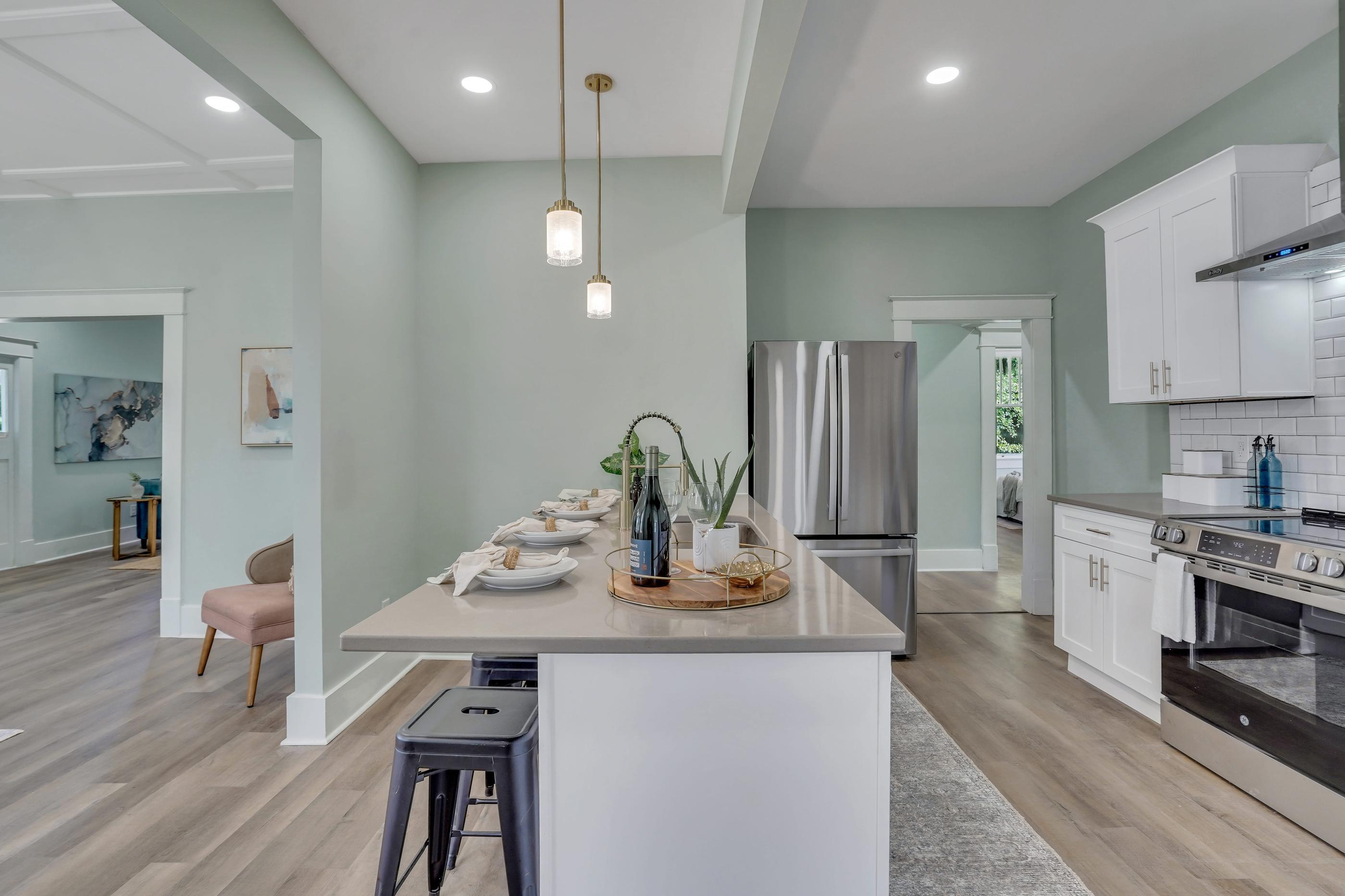
3. Layer lighting for multiple uses.
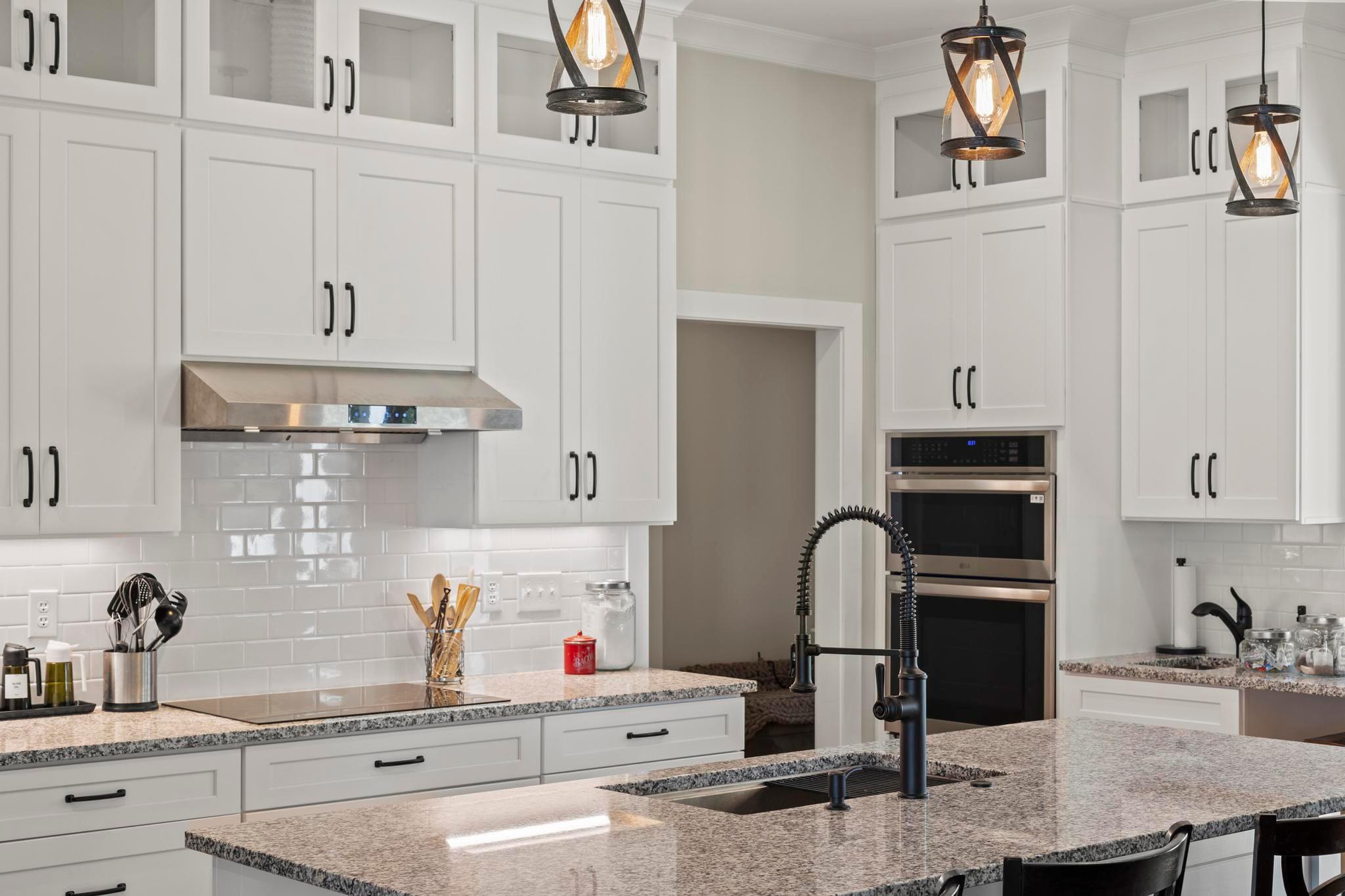
Layered lighting is recommended on so many remodels, but it’s a 100% must-have for multifunctional kitchens. Pendant or statement lighting for casual dining and entertaining. Overhead downlights for full illumination during bustling family hours. Under-cabinet task lighting for extra safety and visibility during prep.
4. Don’t skimp on seating.
Adding a few more chairs is one of the top reasons to lengthen that kitchen island. However, if there’s an unoccupied wall or corner, consider built-in bench seating. It saves space that free-floating chairs would take up, and can even offer storage inside or underneath.
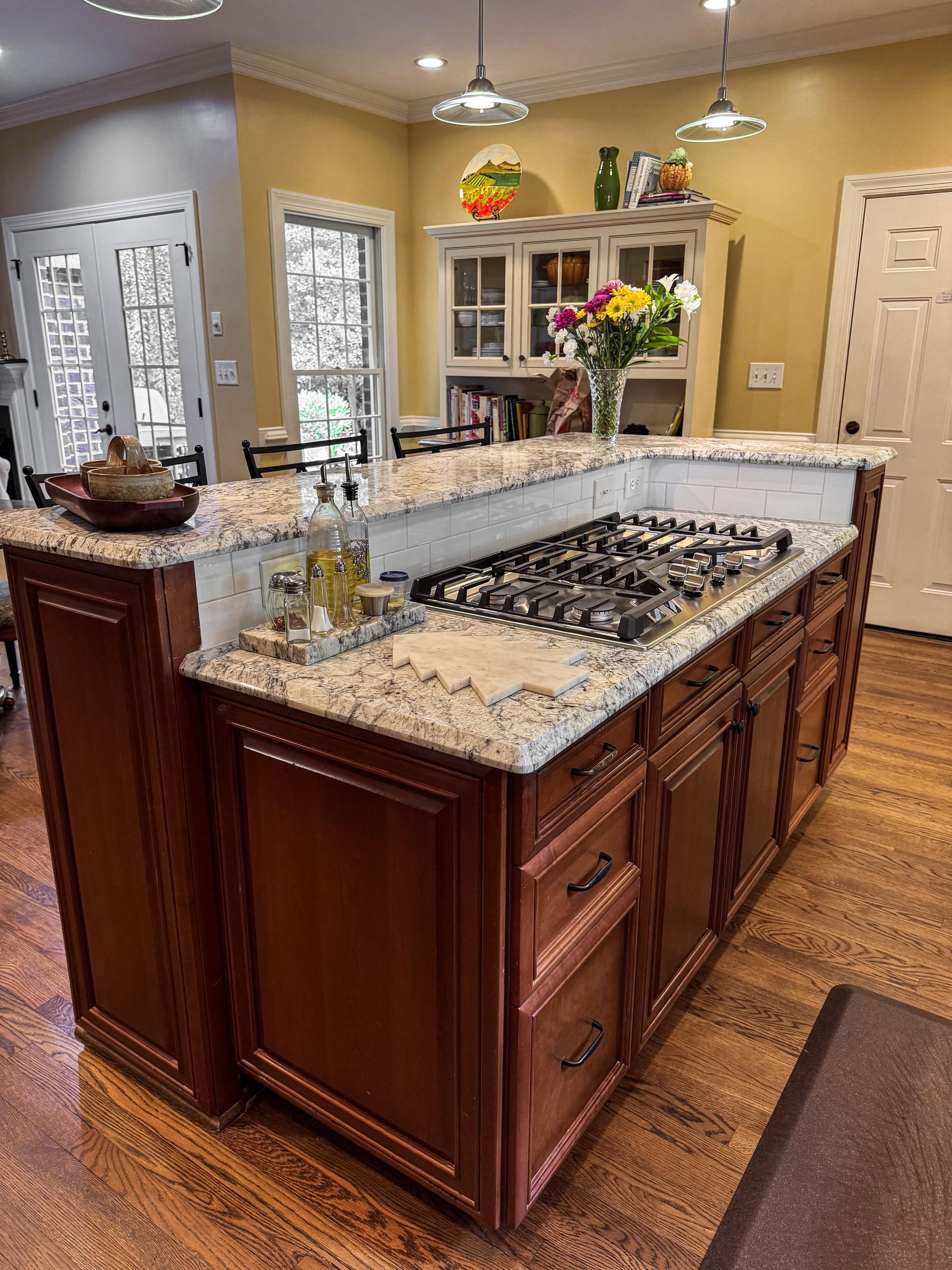
5. Get creative with countertops.
When choosing countertops for a versatile kitchen, many people think of durability and maintenance. These are indeed important qualities. But design-wise, you could do even more. Explore serving counters and overhangs for more legroom in seating areas. Consider waterfall countertop edges for a cohesive look.
6. Tailor storage solutions.
Most people are not using the space inside their cupboards and drawers efficiently. Custom racks and pull-outs can make every square inch work harder–even in tight corners and narrow spaces.
Start improving storage today with our beginner’s guide to kitchen organization.
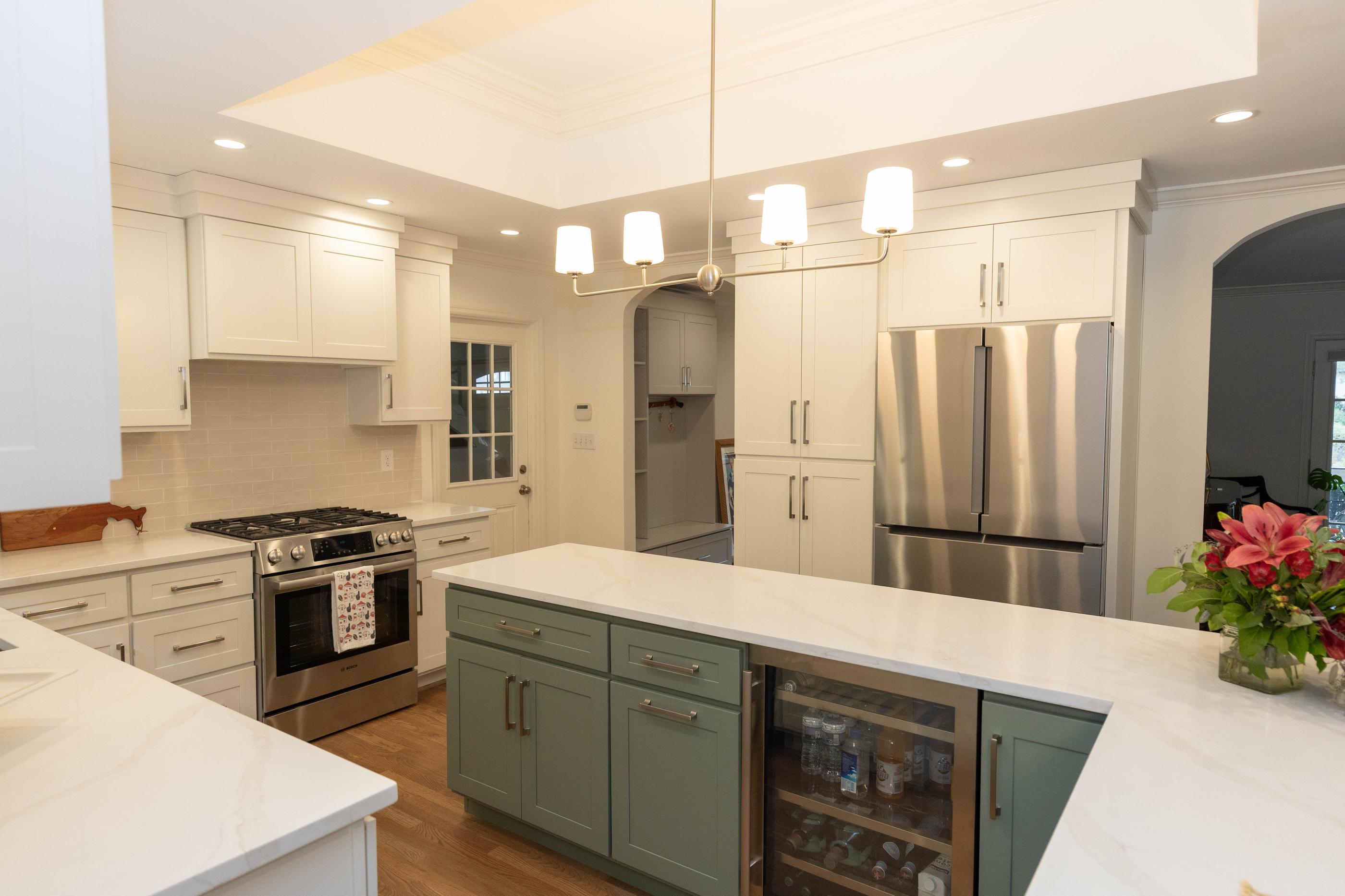
7. Build onto your existing layout.
Keeping your layout is a favorite way to simplify a remodel project. Main utilities and cabinet configurations stay in place. However, you can absolutely build on from there. Freestanding islands are optional. Build from the wall out and double useful features.
Keep the countertops the same for cohesion, but mix up cabinet color for character with a two-toned kitchen.
Find a partner who can do it all at The Designery.
Multifunctional kitchen design streamlines daily life. Why should you have to go to several different retailers, contractors, and suppliers to make it happen? The Designery offers professional design services, a wide range of quality materials, and real craftsmanship under one roof.
“Best experience ever for an extensive remodel of my kitchen and bath. I had expert project oversight and guidance with design and material selection.”
Donna, Designery client
Find your local Designery showroom and design a multifunctional kitchen with a multifunctional team.
Multifunctional kitchen design FAQ
What is the best layout for a multifunctional kitchen?
L or U-shaped kitchens are the best layouts for greater function. No matter the exact layout, an island can instantly add more workspace, storage, and seating.
How do I choose appliances for a multifunctional kitchen?
This will vary by preferred purpose and available space. However, the average multifunctional kitchen uses standard-sized appliances over larger ones. Concealing or integrating appliances for a cleaner, more organized aesthetic is also a popular choice.
How to design a multifunctional kitchen on a budget?
The best way to expand your kitchen’s function on a budget is to phase the remodel and keep your layout. Optimize what you have first, such as improving storage in existing cabinets. Then add on with new features like an island.
What’s the role of lighting in a multifunctional kitchen?
Installing various light sources in a multifunctional kitchen helps create zones for different tasks and desired ambiance. You can go from concentrated, bright light for critical cooking tasks to softer, flattering light for a casual in-kitchen dinner party.