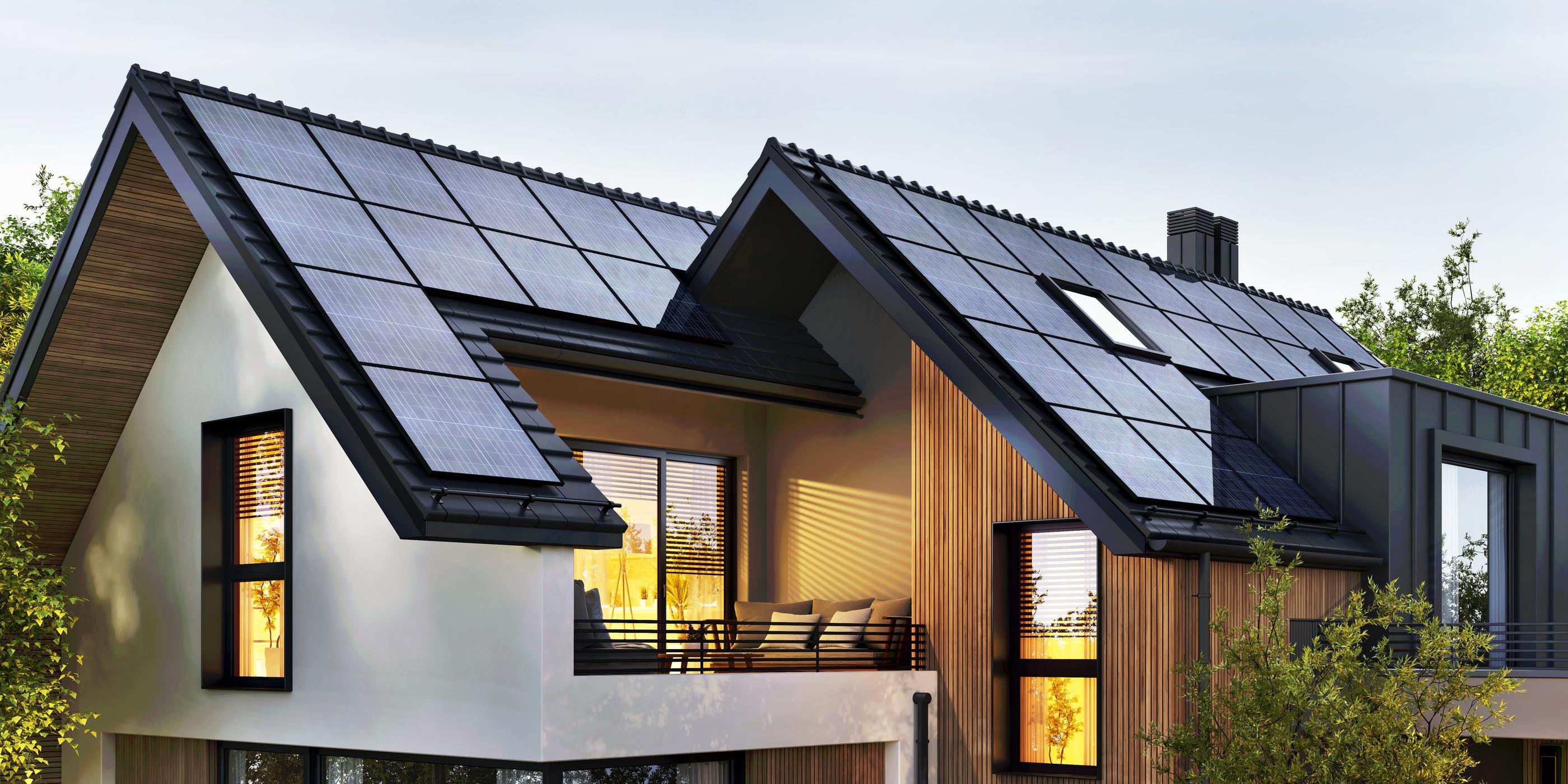
Installing geothermal systems or solar panels are unparalleled solutions for making your home more energy-efficient. They’re also large investments homeowners don’t just stumble into.
Many people today are choosing to build their way up to a net-zero home. If you’re looking for eco-friendly projects to incorporate into your home remodel, keep reading. Here are seven features to set you on the path toward a sustainable home.
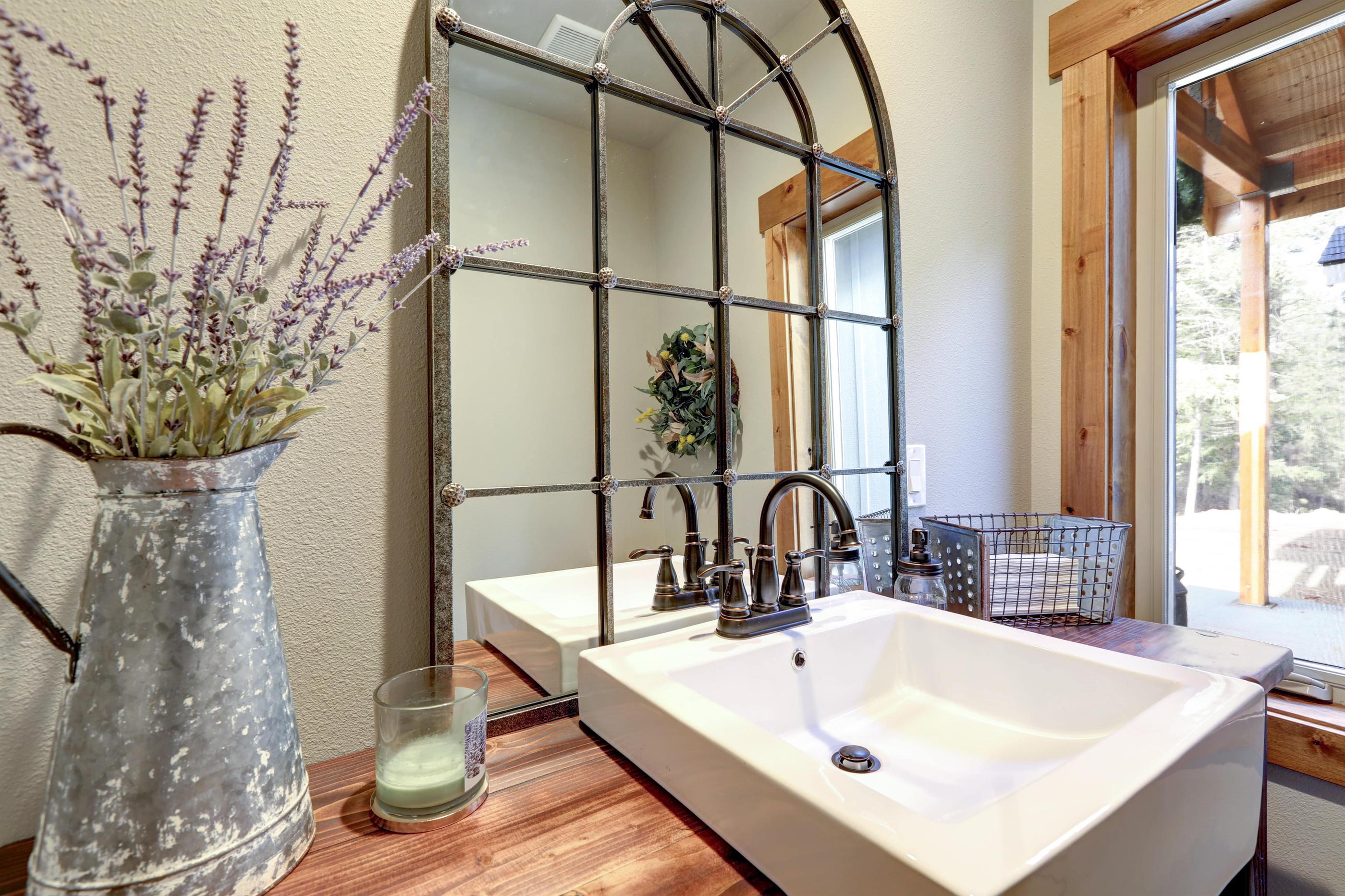
1. Add more natural materials and vintage finds.
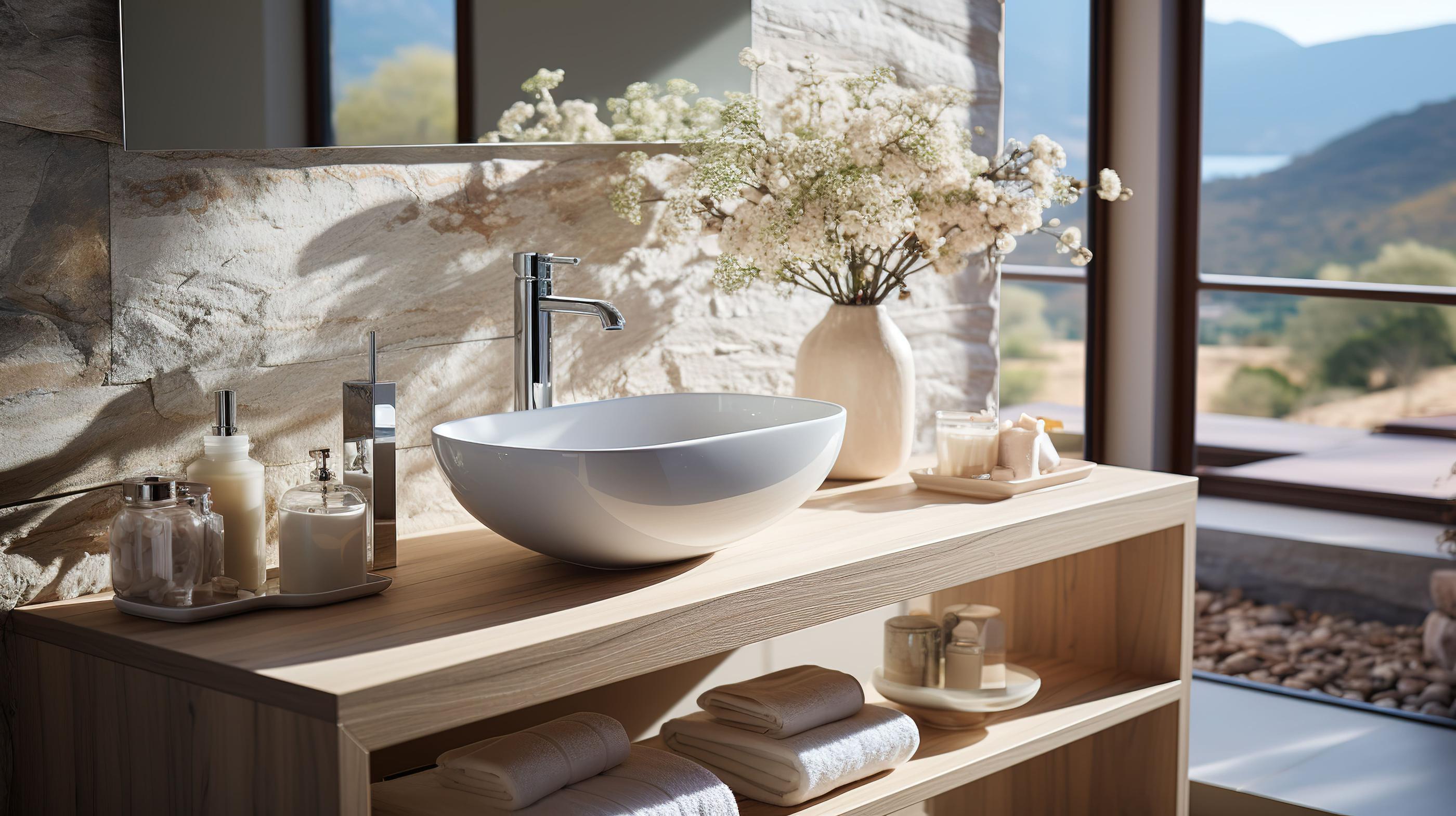
Natural wood and stone are growing in popularity to balance out the modern resins and plastics we see in home design today. Porcelain and ceramic tile, made of natural clays and minerals, are also in demand.
Additionally, there’s an emphasis on reclaimed or recycled material, especially wood. These are a great fit with vintage touches like antique mirrors and metalwork.
What are the most sustainable natural materials for your home?
The most sustainable materials for interior design include reclaimed wood, bamboo, recycled metal and glass, and cork.
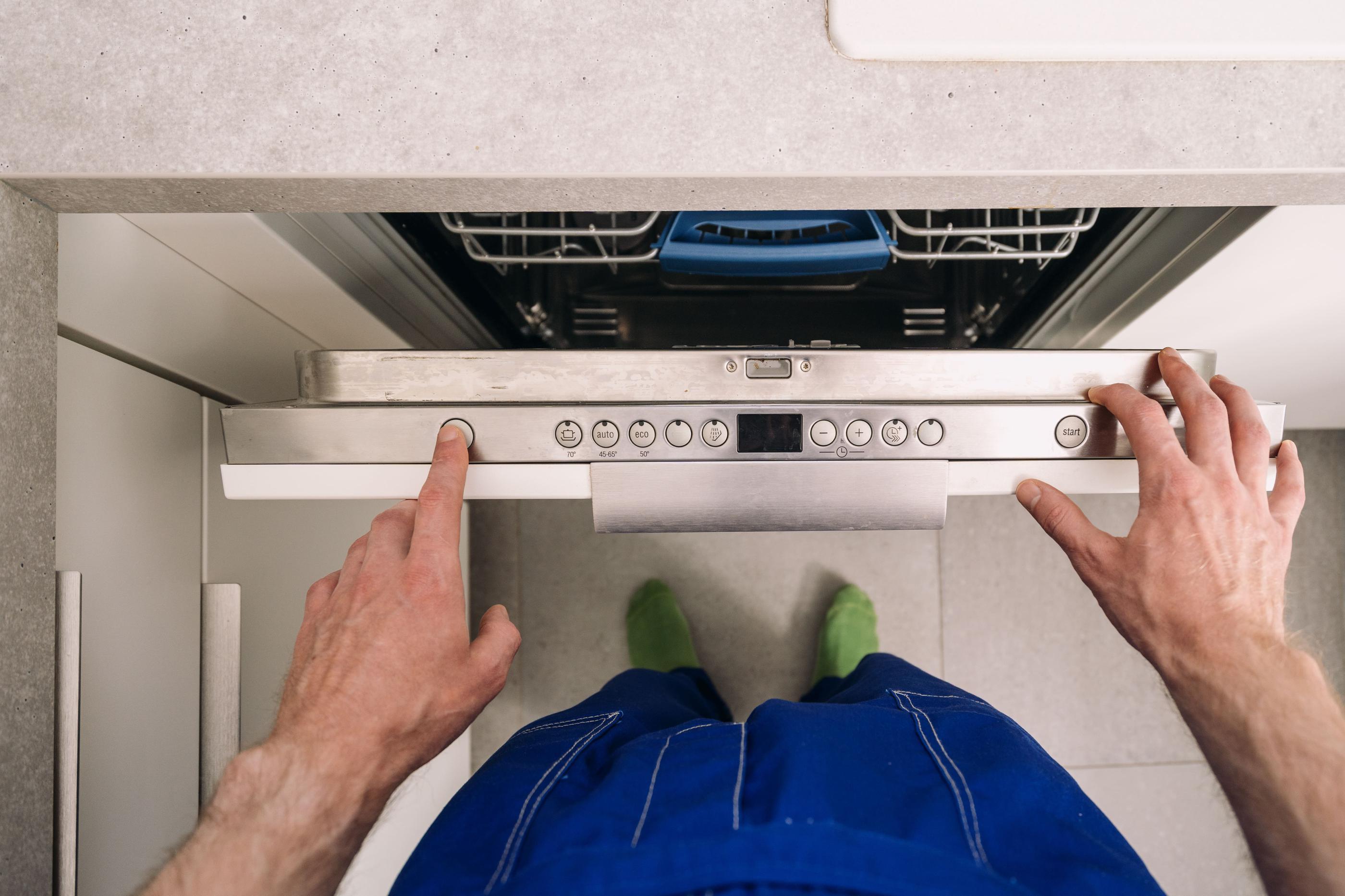
2. Use smart appliances and home technology.
You might think adding even more tech or upgrading to a bigger fridge is anything but eco-friendly. Isn’t the least wasteful solution using what you have until the wheels fall off? Not so; smart home technology uses less of everything. Including your money. A smart thermostat alone can cut an energy bill by 10 percent.
Smart, energy-efficient appliances are another sustainability feature offering fast results. Bills can start to drop in a month or two. Meanwhile, the enhanced look and function improve everyday life.
What appliances use the most energy?
Your HVAC system will use the most by far. Right behind it is the water heater, introducing a tough conversation about the dishwasher.
Most of the energy a dishwasher uses comes from using and heating water. New energy-efficient dishwashers can cut water usage by 30% and energy by 12 percent.

3. Look into environmentally conscious landscaping.
HOAs are increasingly getting the clue that bright green lawns and acres of hardscaping aren’t great for their neighborhoods. Reducing a home’s reliance on fertilizers, scorched-earth pesticides, and heavy watering is necessary for a healthy environment.
How to do sustainable landscaping?
First, focus on using native plants only. These are plants and flowers that naturally occur in your region. Then, narrow the list down to those native plants that are most drought-resistant. They won’t require as much water.
Permeable surfaces, like natural stone pavers, are preferable to tons of asphalt or poured concrete. This allows rainwater to permeate the ground.
For lawns, keep your natural, native grass. Don’t trim it as low, and leave the clippings where they are after mowing.
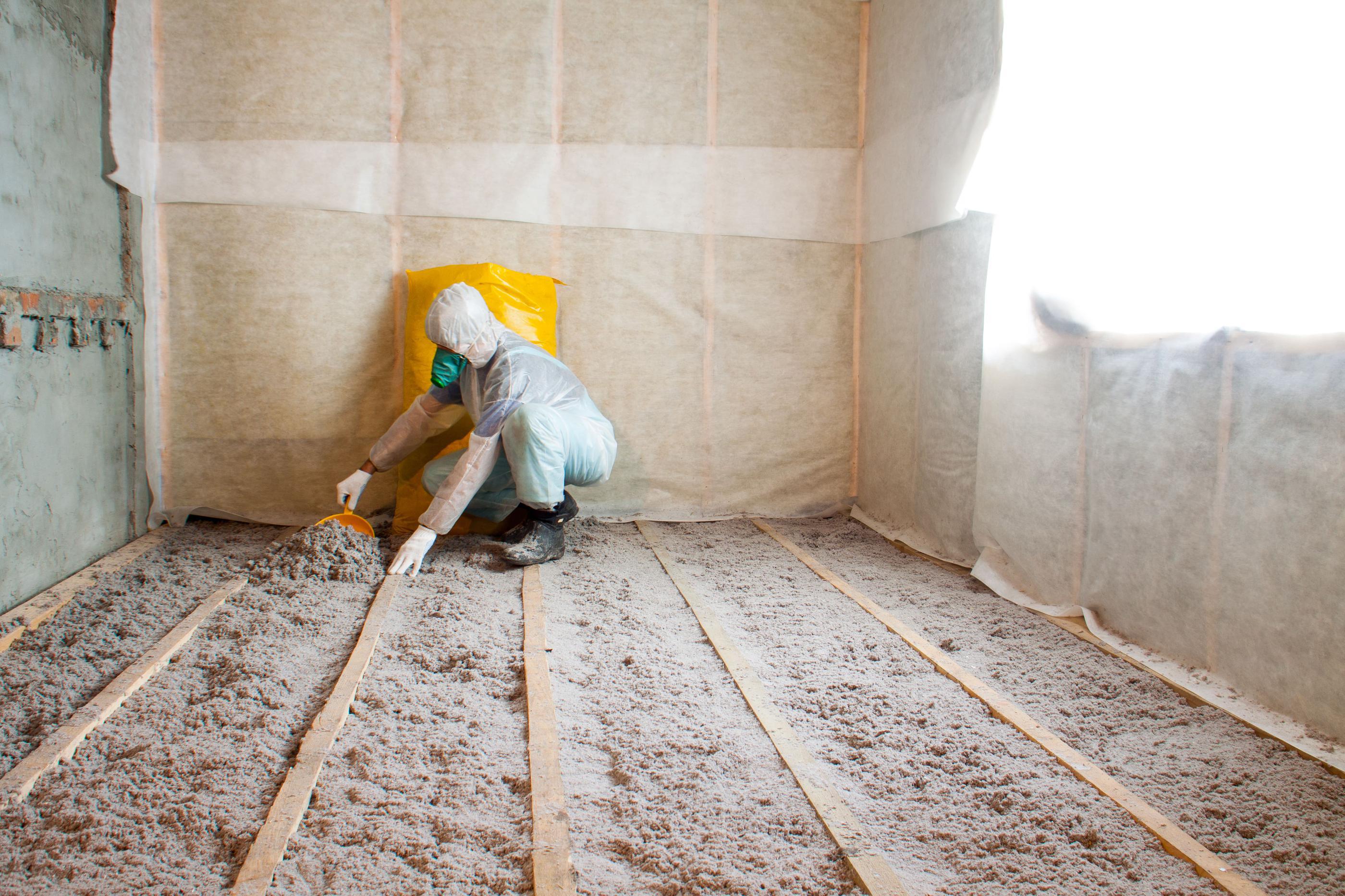
4. Add more insulation.
Extra insulation is one of our favorite winter home upgrades, even if it isn’t exciting or aesthetic. It’s another very effective strategy for lowering energy bills, improving indoor air quality, and chipping away at your home’s carbon footprint.
Best of all, we now have more sustainable options when it comes to insulation itself.
What are eco-friendly alternatives to fiberglass?
Many sustainable homes opt for recycled cotton or wool as insulation. Your most popular and accessible option will be recycled cellulose, the material seen above. It’s made of recycled paper (often newsprint) treated with flame-retardant, pest-resistant, nontoxic chemicals.
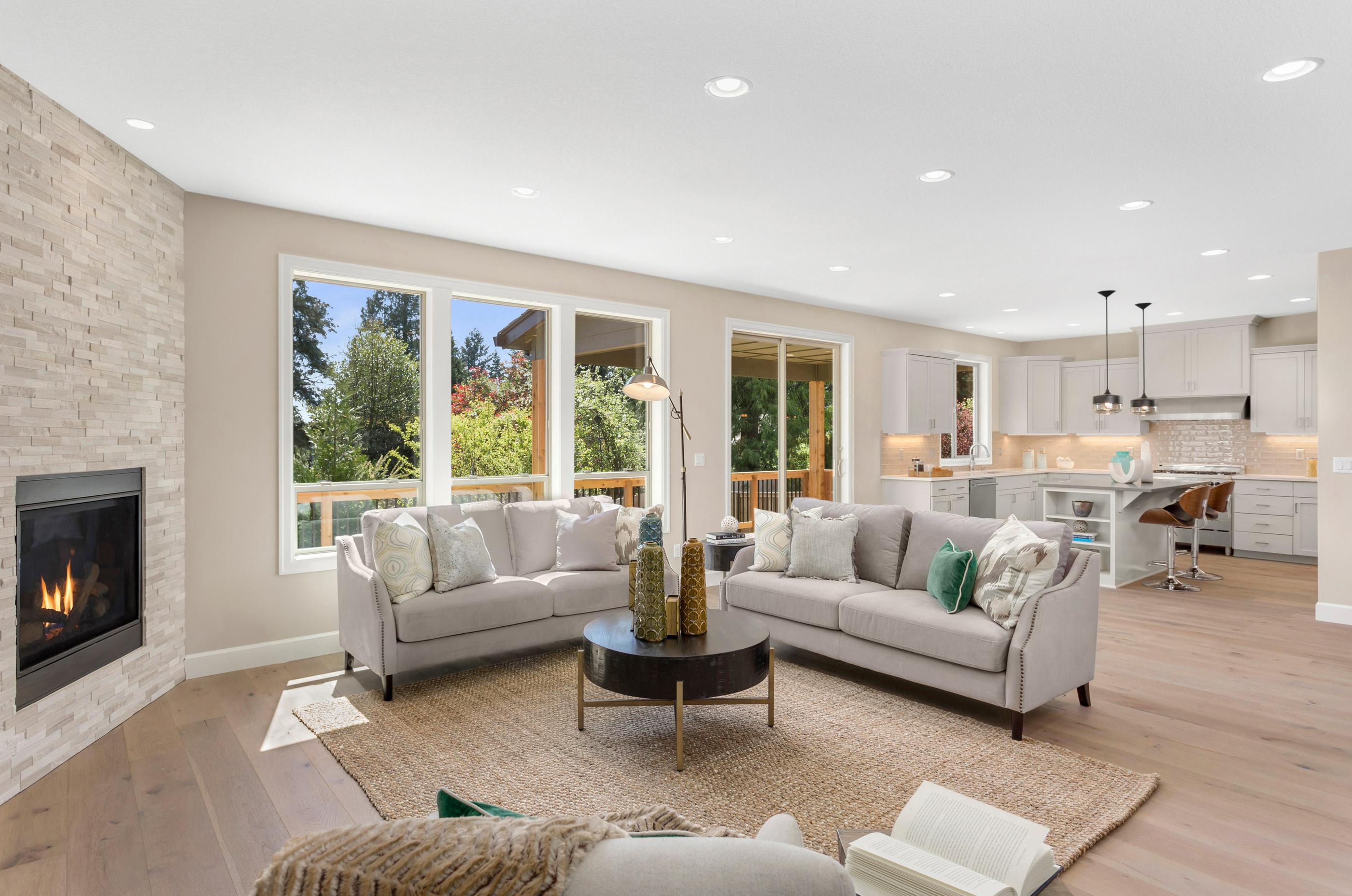
5. The right windows for your property.
Remodeling a historic home is no stroll in the park. Unless there’s a preservation society outside with pitchforks, you may be anxious to replace those windows ASAP. Ancient panes are usually the reason for incurable draftiness.
Be kind to history and the environment by looking into insulated window inserts instead. For everyone else, there are options today that further reduce heating and cooling bills.
What type of window is the most energy efficient?
Triple-pane windows with low-emissivity coatings are most efficient. Cap it off with a wood composite frame and quality weatherstripping for comfortable temps without stressing resources.
6. Update your lighting.
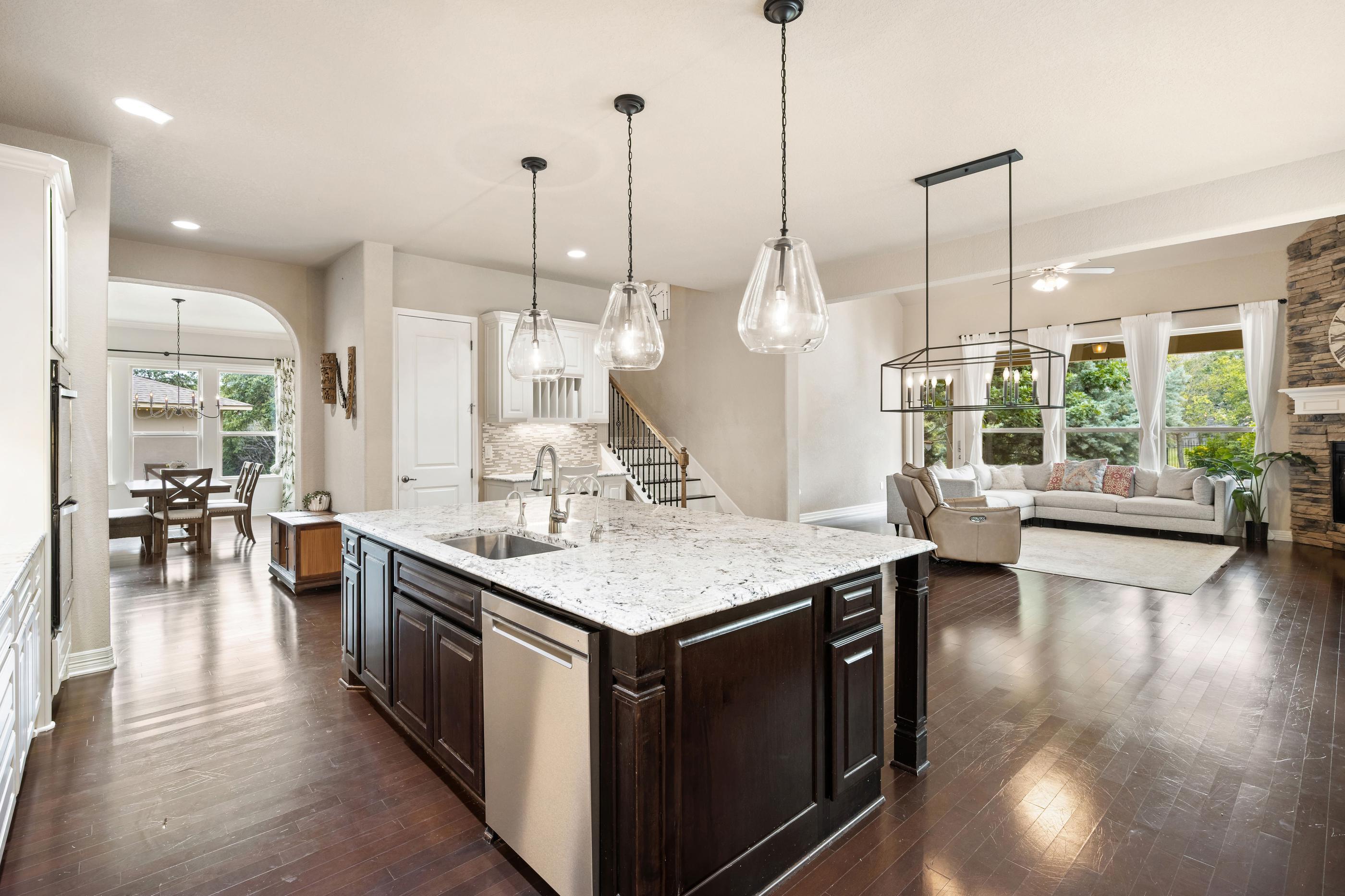
Making home lighting more sustainable starts with the smart technology we mentioned earlier. Timers, dimmer switches, and motion sensors help reduce energy use. Use solar-powered lights outdoors, and opt for more task lighting over overheads.
Most importantly, get rid of your CFL and incandescent bulbs. Replace them with longer-lasting, energy-efficient LEDs.
How much energy does an LED bulb use?
A nine-watt LED bulb will use an average of 9-10 kilowatt hours over 1,000 hours of electricity usage. It provides comparable brightness to a 60W incandescent that consumes nearly six times the energy over the same amount of time.
Warmer-toned LED light uses slightly less energy than cool and happens to be a much more flattering temperature.
7. Consider composite deck materials.
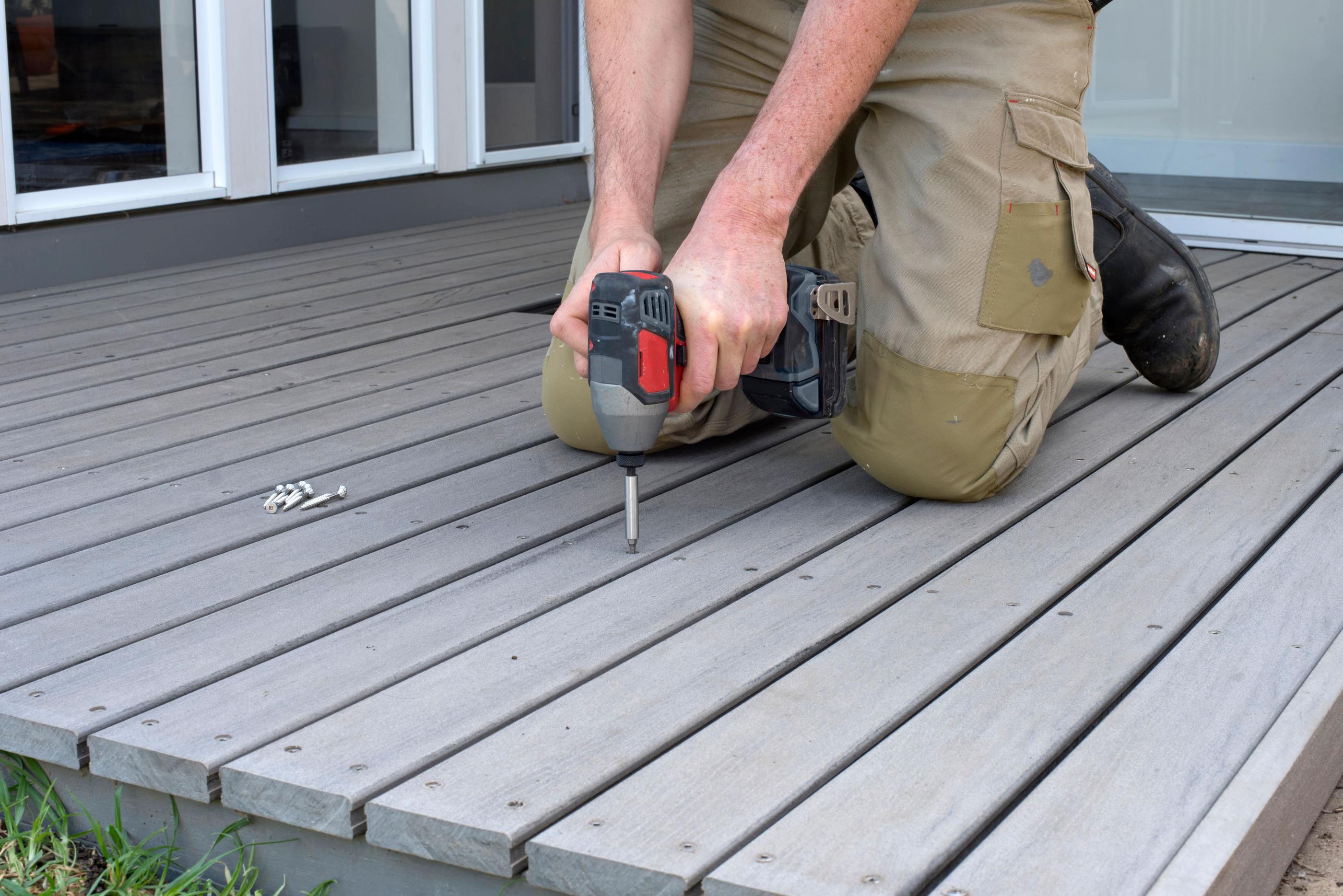
Decks, patios, stairs, porches, and pathways. What if you could keep them looking like new for decades, and they were made with recycled materials? It’s within reach when you choose composite decking. Recycled wood and plastic come together to create a splinter-free structure that doesn’t need to be resealed every fall.
What are the pros and cons of composite decking?
The main pros of composite decking are sustainability, low maintenance, and high durability. The main drawback is that the initial cost will be higher than that of regular pressure-treated wood. You can read more about this in our guide to decking materials.
Explore energy-efficient, all-natural design with a professional.
If you want to incorporate more natural materials and energy-efficient smart appliances into your remodel, discuss it with a professional designer. They have the knowledge and access to get you the right tiles, stone countertops, and solid wood cabinets and flooring for your design.
At The Designery, they can also have it custom-crafted for your new, more sustainable home remodel. Save even more money with your initial complimentary consultation.