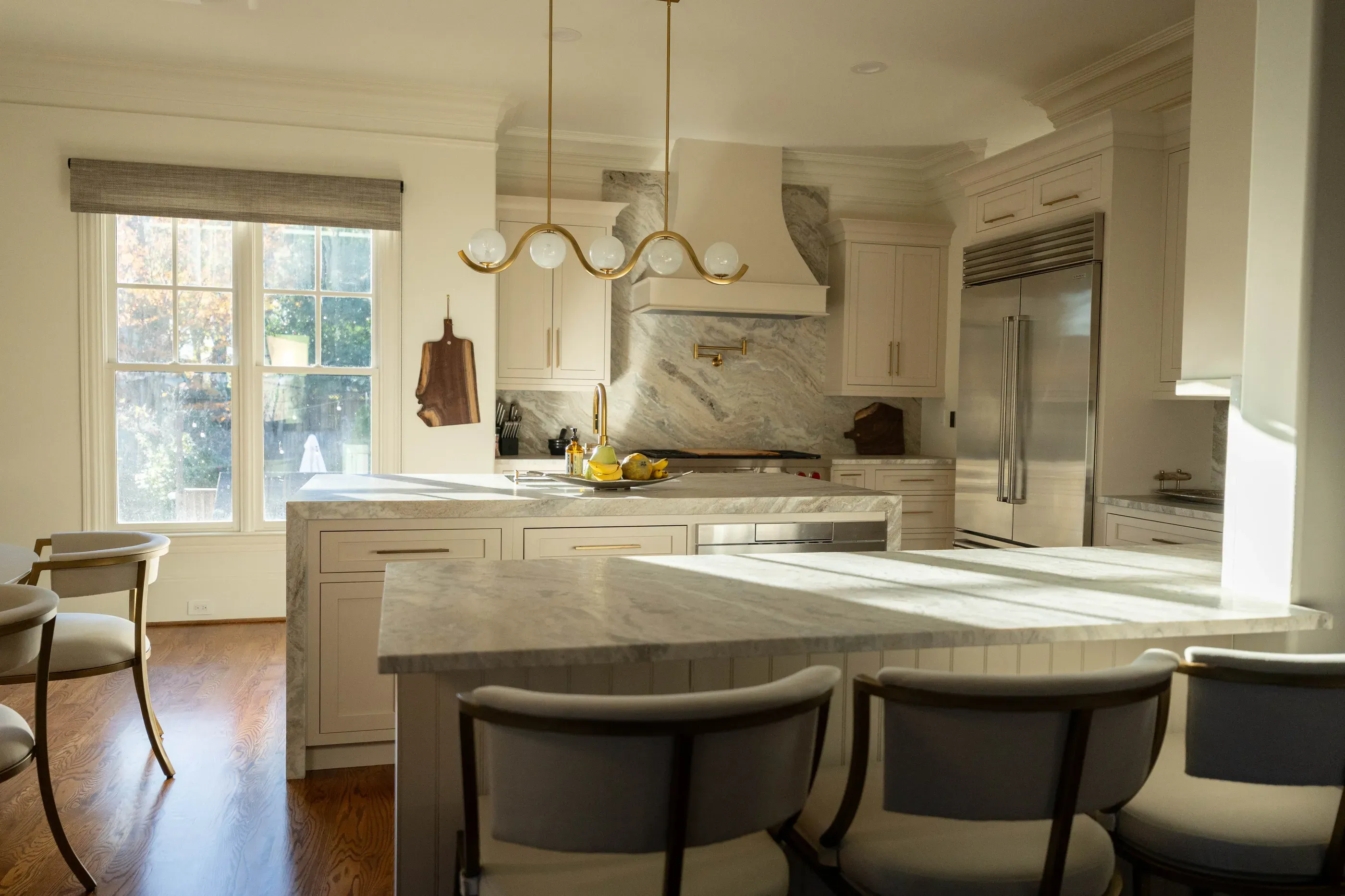
When you are remodeling your kitchen or bathroom in Chicago, cabinets are often the biggest line item in the budget. It is tempting to cut costs there. After all, a cabinet is a cabinet, right?
Not exactly. The upfront savings on cheaper cabinets can quietly disappear once you factor in what comes after installation. Understanding the full picture helps you make a smarter investment from the start.
What Makes a Cabinet "Cheap"
Budget cabinets are typically built with lower-grade materials like particleboard or MDF cores instead of solid wood or plywood. These materials are more vulnerable to moisture, warping, and everyday wear. In Chicago's climate, where humidity swings dramatically between seasons, that vulnerability matters.
Additionally, inexpensive cabinets often use staple-and-glue construction rather than dovetail or dowel joinery. This means the structural integrity of the box itself is weaker from day one. You may not notice the difference immediately, but you will over time.
The Cost of Installation Problems
Cheaper cabinets are frequently sold as stock or semi-stock units with limited sizing options. When your kitchen does not match standard dimensions, installers have to work around the gaps. That workaround costs money in labor, filler pieces, and custom trim.
In contrast, quality cabinets come in a wider range of sizes and configurations. They are also built to tighter tolerances, which means they install more cleanly and with fewer surprises. Therefore, what looks like a savings on paper can quickly translate into added installation costs that erase the difference.
Hardware and Hinges Matter More Than You Think
One of the clearest indicators of cabinet quality is the hardware. Budget cabinets often come with hinges and drawer slides that are not rated for high-cycle use. A kitchen cabinet in an active household opens and closes hundreds of times a year.
When that hardware fails, you have a few options. You can live with a misaligned door, replace the hardware yourself, or pay a professional to come out and fix it. None of those options are free. Quality cabinets use soft-close hinges and full-extension drawer slides that are built to last for decades.
Finish Failures and Refinishing Costs
The finish on a cabinet determines how well it holds up to grease, steam, cleaning products, and daily contact. Cheaper cabinets often use a thermofoil or thin laminate wrap that looks clean in the showroom but peels and chips over time.
Once that finish starts to go, the cabinet looks worn and dated. Refinishing or repainting cabinets is labor-intensive work, and in many cases, the substrate beneath is not designed to be refinished. That means you are often replacing cabinets sooner than you planned, which eliminates any savings you captured upfront.
The Chicago Factor
Chicago homeowners face specific challenges that make material quality especially important. The city's older housing stock means kitchens often have quirky layouts, uneven floors, and walls that are not perfectly plumb. Quality cabinets give installers more flexibility to adapt.
Additionally, Chicago's seasonal humidity changes are significant. Plywood-core cabinets handle moisture expansion and contraction far better than particleboard. Over several winters and summers, that difference becomes visible in how the doors sit, how the drawers slide, and how the finish holds.
What You Are Actually Comparing
When comparing a budget cabinet to a quality cabinet, the fair comparison is not just sticker price. You need to factor in installation labor, hardware upgrades, potential repairs, the lifespan of the product, and the impact on your home's resale value.
A kitchen remodel is one of the strongest investments you can make in a Chicago home. Buyers notice cabinets. Real estate agents notice cabinets. Cutting corners there can reduce the return you see when you sell.
The Smarter Approach to Cabinet Budgeting
If your budget is tight, there are better ways to manage costs than choosing low-quality boxes. You can simplify the layout, reduce the number of upper cabinets, or choose a more affordable door style within a quality line. These choices protect the structure and finish without sacrificing longevity.
Working with a local Chicago cabinet specialist also helps you avoid the hidden surprises that come with big-box store purchases. You get guidance on sizing, finish selection, and installation planning that keeps the project on track.
Making the Investment Count
Cabinet remodeling is not a purchase you want to revisit in five years. The goal is to make a decision once, live with it comfortably, and have it add value to your home for decades. Cheaper cabinets often make that impossible.
Therefore, when you are planning your next kitchen or bathroom project in Chicago, look beyond the price tag. The real cost of cheaper cabinets is almost always higher than it appears. Investing in quality from the start is the decision most homeowners wish they had made sooner.