
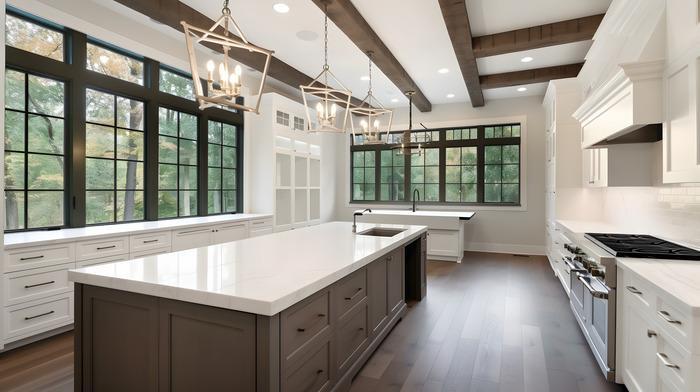
Remodeling your kitchen is one of the most rewarding investments you can make in your home. But for many Columbus homeowners, the process can feel uncertain before it begins. Understanding what to expect from start to finish helps reduce stress and leads to better results.
Here is a clear breakdown of the kitchen design journey so you know exactly what lies ahead.
Starting With a Consultation
Every successful kitchen remodel begins with a conversation. During your initial consultation, a design professional will ask about your lifestyle, cooking habits, storage needs, and aesthetic preferences. This is also the moment to discuss your budget range openly and honestly.
At The Designery in Columbus, this first meeting is about listening. The goal is to understand how you actually use your kitchen, not just how you want it to look. That distinction shapes every decision that follows.
Measuring and Assessing Your Space
After the consultation, a designer will visit your home to take precise measurements of your existing kitchen. They will document the location of windows, doors, electrical outlets, plumbing, and any structural elements that affect the layout. This step is non-negotiable, even if you already have a general floor plan in mind.
Accurate measurements prevent costly surprises during installation. Therefore, this phase deserves as much attention as any other part of the process.
Developing Your Design Concept
With your goals and measurements in hand, your designer will begin creating a concept for your new kitchen. This typically includes a proposed layout, cabinet selections, countertop materials, hardware finishes, and lighting ideas. Many design firms use 3D rendering software so you can visualize the finished space before anything is ordered.
This is where the real collaboration happens. You will review options, share feedback, and refine the design until it reflects your vision. In contrast to buying off the shelf, this process is tailored entirely to your home and your life.
Reviewing and Approving the Plan
Once the design concept feels right, your designer will present a detailed proposal that includes product specifications, pricing, and a projected timeline. Take your time reviewing this document carefully. Ask questions about anything that feels unclear, whether it is a material choice, a measurement, or a line item in the budget.
Additionally, this is the stage where you confirm your selections and authorize the project to move forward. Your approval triggers the ordering process, which makes it one of the most important steps in the entire journey.
Ordering and Lead Times
After you sign off on the plan, your designer places orders for cabinets, countertops, fixtures, and any other materials. Lead times vary depending on the manufacturer and the complexity of your selections. Custom cabinetry, for example, often requires several weeks of production time.
Your design team will communicate expected delivery windows so you can plan accordingly. This phase requires patience, but it is time well spent. Rushing material selection almost always creates regret.
Preparing for Installation
Before installation begins, your home will need some preparation. This may involve clearing out the existing kitchen, coordinating with contractors for demolition, or scheduling utility work such as plumbing or electrical updates. Your design team should walk you through what is required on your end and what they will handle.
A clear timeline with defined milestones keeps the project on track. Good communication between you, your designer, and any contractors makes this phase run smoothly.
The Installation Phase
Installation is where the design truly comes to life. Experienced installers will handle cabinetry, countertop templating and placement, hardware installation, and finishing details. The timeline depends on the scope of your project, but a full kitchen remodel typically takes one to three weeks for installation alone.
During this time, you will likely be without a functioning kitchen. Planning for meals in advance makes the disruption more manageable.
Final Walkthrough and Follow-Up
When installation is complete, your designer should walk through the finished kitchen with you in detail. This is your opportunity to identify anything that needs adjustment, whether it is a cabinet door that needs realignment or a finish that does not match your expectations. A reputable design firm addresses these items promptly.
The final walkthrough is also when you learn how to care for your new surfaces and hardware. That knowledge protects your investment for years to come.
Working With a Local Columbus Design Team
Choosing a design partner who understands the Columbus market matters. Local designers know regional contractors, understand permit processes, and are available for in-person meetings throughout the project.
The Designery's Columbus location offers homeowners the combination of professional expertise and a hands-on, personalized approach. From the first consultation to the final detail, the process is built around making your kitchen work better for you.
Ready to get started? Visit The Designery Columbus to schedule your consultation.